Trump says that only his own morality determines the limits of his presidential power

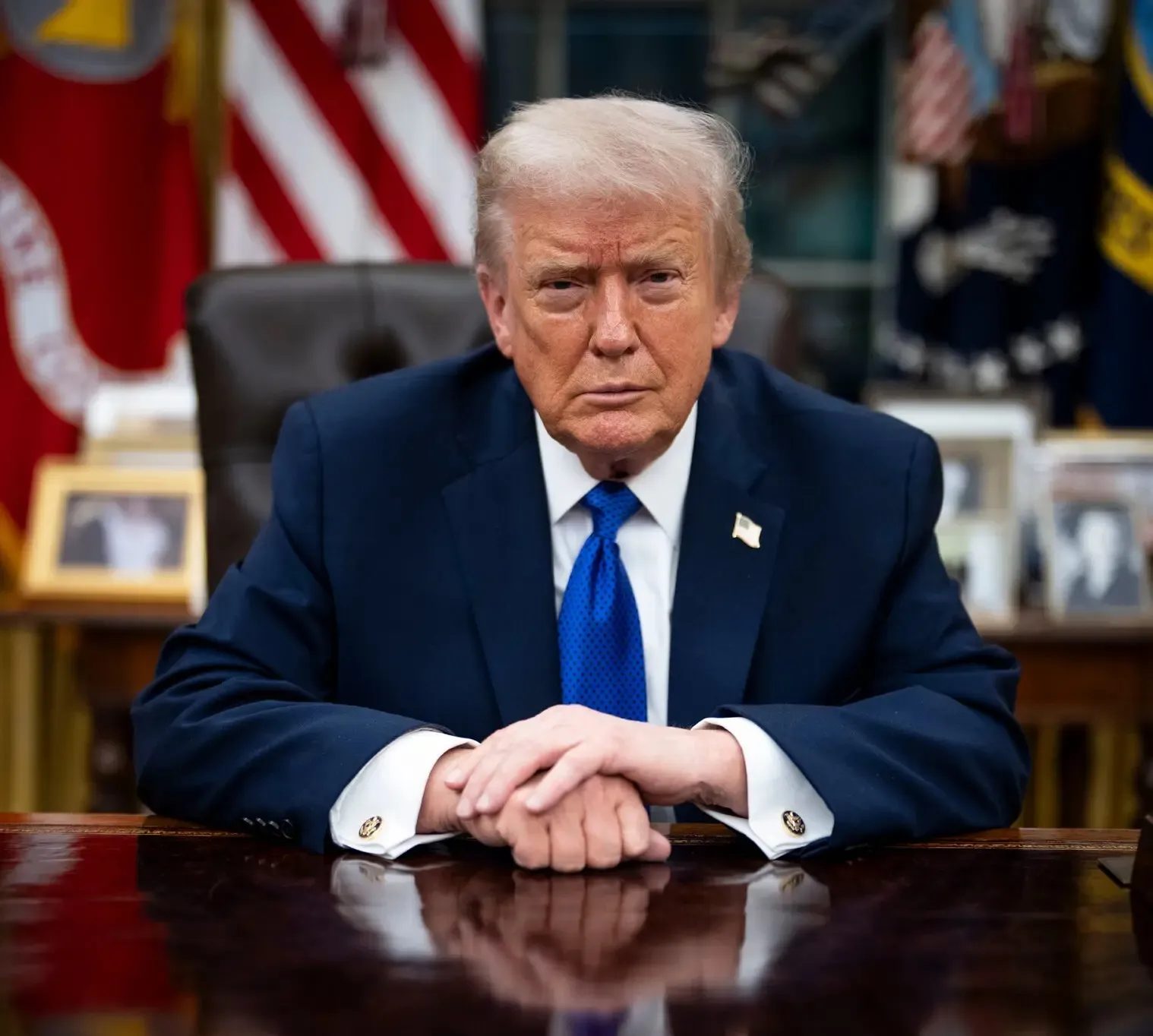
U.S. President Donald Trump said that the only limitation on his powers as commander-in-chief is his own morality, not international law or interstate treaties. He said this in an interview with The New York Times, published on 8 January 2026.
Answering a question about the limits of military, economic and political power, Trump said he decides when and how international norms apply. According to him, the national power of the United States takes precedence over the laws and conventions that shaped the world order after World War II
In a conversation with journalists, Trump cited the strike on Iran's nuclear programme, the swift operation to change the government in Venezuela and his intentions for Greenland, which is under Danish control, as examples of decisive action. He acknowledged that in the future, there may be a choice between preserving the North Atlantic Alliance and pursuing its own geopolitical goals, emphasising that NATO without the United States is effectively ineffective
The president also said that it was he who forced NATO allies to agree to increase defence spending to 5 per cent of GDP by 2035, noting that Russia, in his view, is only afraid of the United States. At the same time, Trump said that without his actions, Russia would allegedly already control the entire territory of Ukraine
Commenting on the possible expiration of the last major nuclear arms control agreement between the US and Russia, Trump said that if it is terminated, Washington will conclude a better deal, but with the participation of China. He also dismissed fears that the US actions in Venezuela could set a dangerous precedent for China over Taiwan or for Russia over Ukraine, stressing that each situation is unique
At the same time, the US Senate has already agreed to start a debate on limiting presidential powers to use military force, particularly in the context of the operation in Venezuela. The reason for this was Trump's statements about the possible long-term presence of the United States in this country
Source and photo: The New York Times