Turkey has significantly reduced its imports of Russian Urals crude and replaced it with Kazakh crude

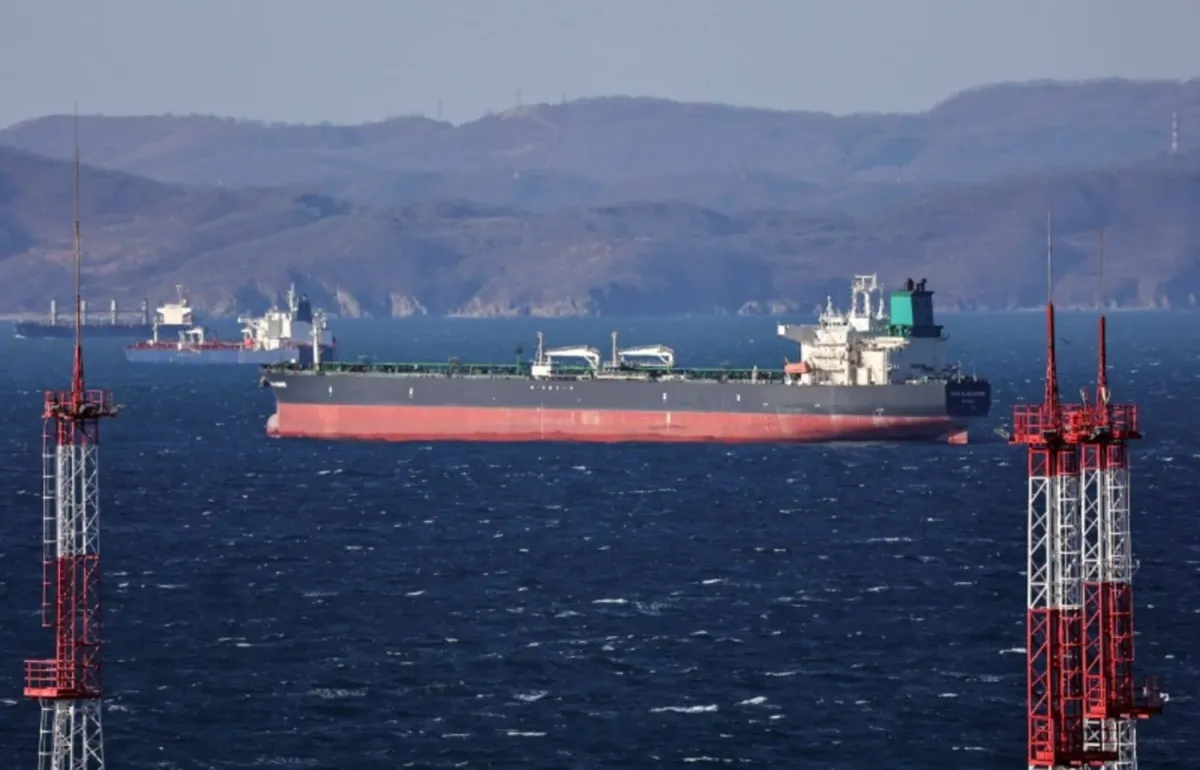
Turkey is set to cut imports of Russian Urals crude from Baltic and Black Sea ports this month to their lowest level in nearly a year and a half. This is according to Reuters, citing data from LSEG, Kpler and traders.
Turkey remains the largest importer of Russian seaborne oil in the Mediterranean and the third largest in the world after India and China. The country mainly purchases Urals crude.
According to Kpler, Urals imports to Turkey in May will average around 161,000 barrels per day. By comparison, in January–April this figure stood at 189,000 barrels per day, and in May 2025 it reached 302,000 barrels.
The decline is occurring despite a reduction in oil supplies from the Gulf states, which has contributed to the rise in global oil prices.
A trader at a major Western company stated that Turkey was accustomed to buying Russian oil at a significant discount and was not prepared for the current price levels.
Two other sources speaking to Reuters attributed the reduction in supplies to Turkey in April and May to increased demand in Asia, particularly in India. According to one of the traders, there were few volumes available on the market.
According to LSEG data, seaborne exports of Urals to Turkey could fall to their lowest level since at least January 2025.
The decline is partly offset by Turkey’s increased imports of CPC Blend crude from the Caspian region. This grade is supplied from both Russia and Kazakhstan, depending on the consignment.
Following the outbreak of the war with Iran, the Urals premium at Indian ports rose to $8 per barrel relative to Brent, before subsequently falling to $2–4 per barrel. However, these figures remain higher than before the conflict began.
Russia increased oil shipments from western ports by approximately 9% in the first half of May. The figure rose to 2.35–2.4 million barrels per day, compared with an average of around 2.2 million barrels in April.