Transnistria, an unrecognised region, has reinstated a state of economic emergency due to a gas shortage
Artur Romanchenko
Artur Romanchenko Journalist
Transnistria, an unrecognised region, has reinstated a state of economic emergency due to a gas shortage
Problems with gas supplies to Transnistria have been occurring in waves since the end of winter 2025.
In the unrecognised region of Transnistria, a state of economic emergency is being reinstated following yet another cut in natural gas supplies.

This was announced yesterday on the Telegram channel of the local ‘parliament’, according to Newsmaker.

The leader of the unrecognised region, Vadim Krasnoselsky, has submitted a draft decree to the “deputies” of Transnistria for consideration, proposing the reinstatement of a state of emergency in the economy “due to a severe economic crisis and the continuing deterioration of socio-economic indicators caused by a significant reduction in natural gas supplies”. 

The matter will be considered on 20 March. 

Prior to this, Transnistria had also been living under a state of economic emergency since December. It was lifted just a few days ago, when the region’s de facto authorities announced the resumption of heating and hot water supplies to domestic consumers.

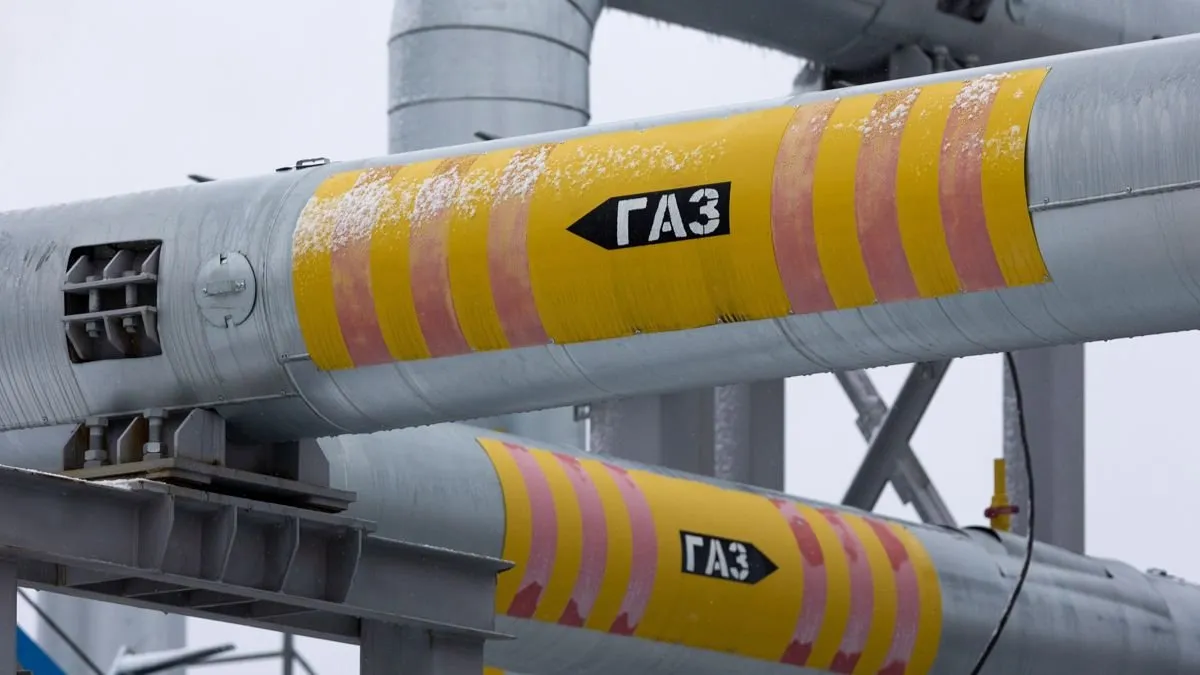
Problems with gas supplies to Transnistria have been occurring in “waves” since the end of winter 2025, when the region began receiving gas funded by Russia under a convoluted scheme. The gas is purchased on the European market and supplied to the border with Moldova by the Hungarian company MET Gas and Energy Marketing AG; from the border to Transnistria, it is supplied by Moldovagaz. A company registered in Dubai pays for the supplies using funds from a Russian special credit. 

Chisinau offered support to Transnistria against the backdrop of the energy crisis, but noted that for this to happen, Tiraspol must accept the proposal for reintegration.
Share tittle
Economy
Ukraine has received a second tranche of $690 million from the IMF
Economy

Ukraine has received a second tranche of $690 million from the IMF

On 23 July, Ukraine received a second tranche of around $690 million from the IMF under the new four-year programme.

23.07.2026
Fuel prices could rise to 100 hryvnias per litre as early as August
Economy

Fuel prices could rise to 100 hryvnias per litre as early as August

Petrol and diesel at Ukrainian petrol stations could approach the 100 hryvnia per litre mark as early as the beginning of August 2026. This is a forecast by fuel expert Dmytro Lyushkin, and not an approved or guaranteed price.

23.07.2026
All the electricity put up for sale was sold at the long-term auction
Economy

All the electricity put up for sale was sold at the long-term auction

Energoatom and Ukrhydroenergo have sold all the electricity volumes offered at the first special long-term auctions. In total, the state-owned companies sold 462,148 MWh, to be supplied between August and December 2026.

22.07.2026
The IMF has postponed the introduction of VAT for sole traders until 2028: what will change
Economy

The IMF has postponed the introduction of VAT for sole traders until 2028: what will change

The International Monetary Fund has agreed to postpone the introduction of value added tax (VAT) for sole traders operating under the simplified tax system. Instead of January 2027, the new rules are due to come into force on 1 January 2028.

22.07.2026
After the war, the military levy may be replaced by a reconstruction tax — the government is discussing the idea with the IMF
Economy

After the war, the military levy may be replaced by a reconstruction tax — the government is discussing the idea with the IMF

The Ukrainian government is considering replacing the current 5 per cent military levy with a special tax for post-war reconstruction. This option is included in the updated Memorandum of Cooperation between Ukraine and the International Monetary Fund.

22.07.2026