More than 800 ships are stranded in the Persian Gulf — Bloomberg

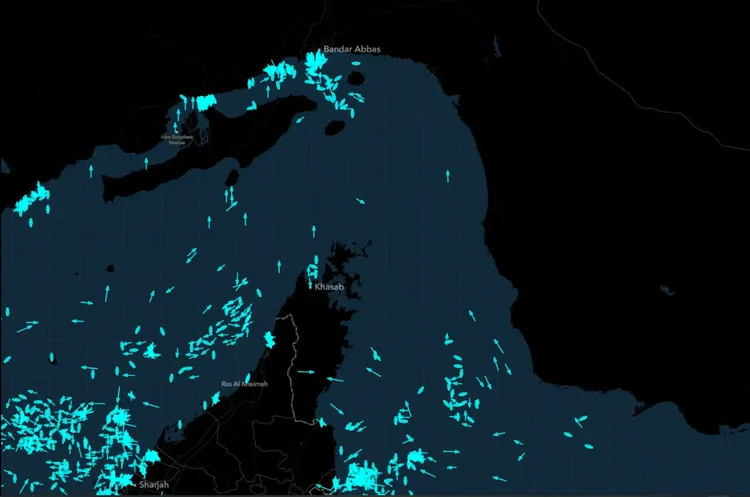
This is according to Bloomberg.
Formally, the parties have agreed to a two-week ‘safety window’ for shipping. But in practice, shipping traffic has barely resumed, as shipowners are reluctant to enter the strait and insurance companies are not providing clear guarantees, given that the rules of passage remain unclear. Consequently, hundreds of ships are simply stuck at sea.
In peacetime, around 135 ships pass through the strait every day. At present, only isolated attempts at transit are being recorded.
Among those stranded are 426 oil tankers, dozens of gas carriers (LNG and LPG), and hundreds of ships carrying grain, metals and containers. The global economic blockade is still in full swing.
The market does not believe the ceasefire is stable.
“Global shipping cannot be restarted within 24 hours,” analysts explain.
According to them, shipowners are waiting for a real reduction in risks, security guarantees and a stable situation, rather than a temporary pause.
Another cause for concern is Iran’s statement that it will allow ships to pass “in coordination with the military” and that traffic will be subject to “technical restrictions”.
Analysts believe that Iran will decide for itself who is allowed through, who pays, and who is not to be allowed through.
According to the International Maritime Organization, around 20,000 seafarers remain on board vessels. They are facing shortages of supplies, psychological pressure and exhaustion, finding themselves in a floating trap with no clear prospect of escape.
Even if the strait is fully reopened, ships will pass through gradually rather than en masse. Insurance premiums will remain high because routes will change and logistics will take weeks or months to recover.
It should be noted that the brief closure of the Strait of Hormuz has shown just how vulnerable the entire global economy is: as a result of these circumstances, oil and gas prices are rising, transport costs are increasing, energy shortages are emerging, and global trade is suffering.