Vienna has noted an increase in Russian intelligence activity targeting diplomatic facilities

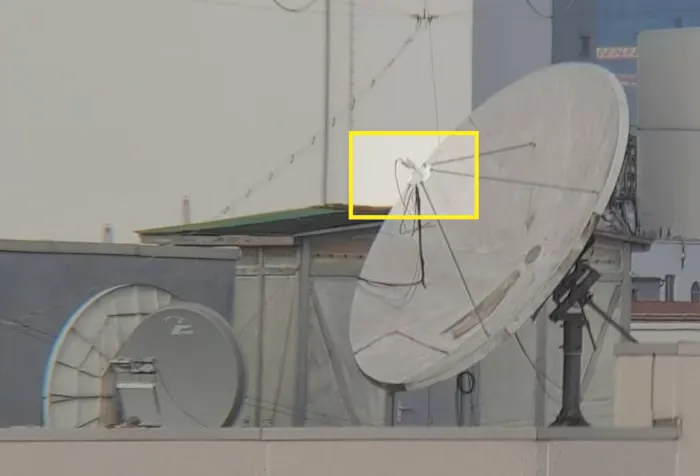
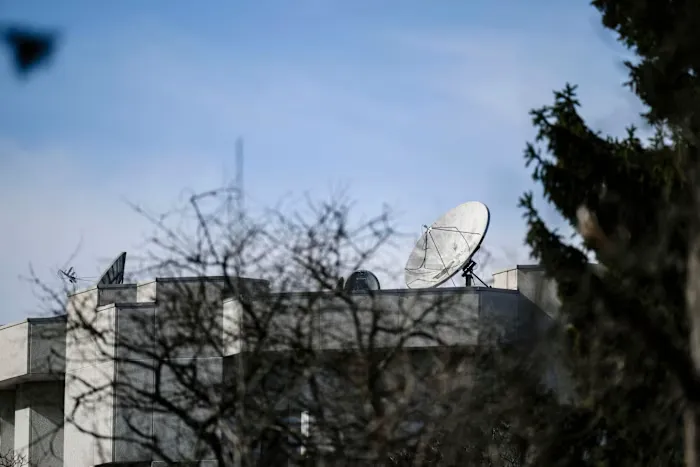
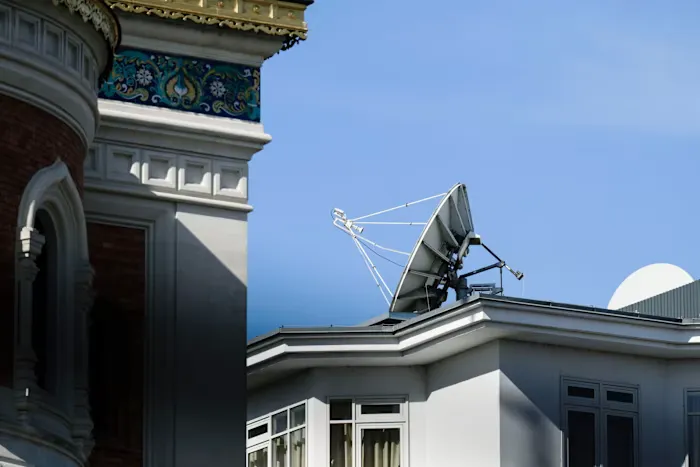
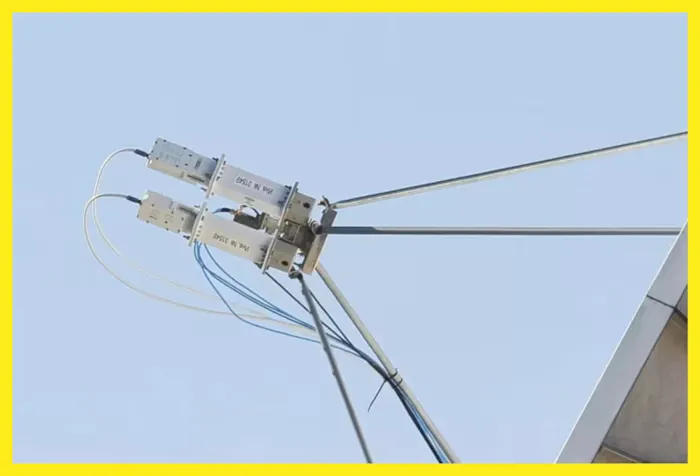
Numerous satellite dishes have been installed on the roofs of Russian diplomatic missions in Vienna. According to Western officials and experts, they are used for more than just communication with Moscow. Some of the dishes are not pointed eastwards, suggesting they serve other purposes. This is reported by The Public, citing the Financial Times.
Four years after the start of the war against Ukraine, these facilities are once again performing one of the key functions of the Cold War era. They serve as a platform for gathering signals intelligence in Western countries. According to one European diplomat in Vienna, Russian agencies are attempting to intercept government and military communications of NATO countries.
Officials estimate that from Vienna, the Russian side is monitoring not only European communications but also those in the Middle East and Africa.
Austria, which maintains a neutral status, has not carried out mass expulsions of Russian diplomats since 2022. At the same time, its domestic intelligence service, the DSN, has warned that the technical capabilities of Russian signals intelligence stations in Vienna pose a significant security risk.
Western intelligence agencies have recorded the installation of new antennas and other equipment on the roofs of Russian facilities over the past two years. Some of the antennas regularly change position, which may indicate their active use for working with various satellites.
On the eve of the Munich Security Conference, one of the large antennas was reoriented, and after the event concluded, it was returned to its previous position.
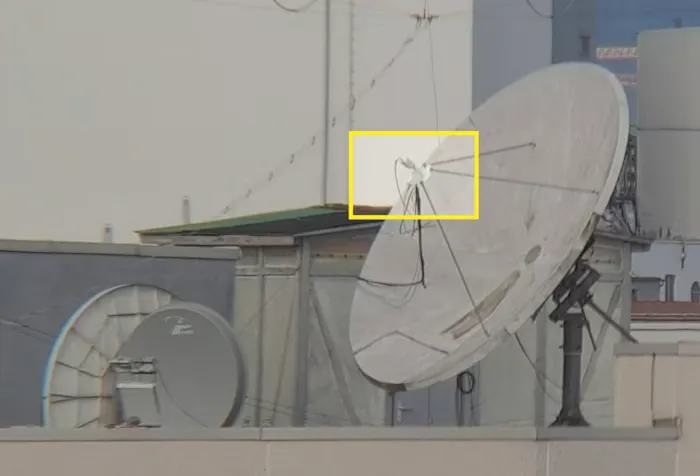
Analysis of open-source data and photographs shows that some of the antennas are directed towards the Eutelsat 3B, Eutelsat 10B, SES-5 and Rascom QAF-1 satellites, which provide communications between Europe and Africa. According to experts, special lenses have been installed to enable reception of signals across a wider frequency range.
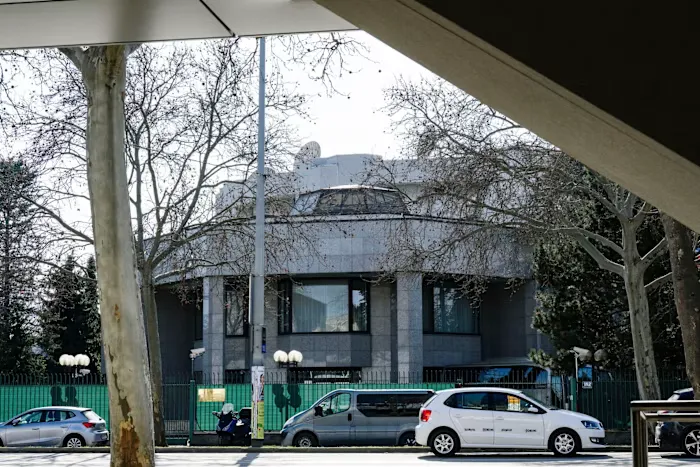
The main complex of Russian facilities is located on the eastern bank of the Danube and covers an area of around nine acres. Within its grounds are residential buildings and a school for diplomats’ children. At its centre stands the six-storey building of the Russian Mission to the UN, with a roof covered in antennas.
Experts believe that this complex was designed for intelligence activities from the outset. Its construction began in 1983 following a decision by Yuri Andropov.
According to estimates by the Austrian security services, there are around 500 Russian diplomats working in Vienna, and up to a third of them may be linked to intelligence activities.
Similar technical installations have also been identified at other locations, including near the Russian embassy, the cultural centre on Brahmsplatz and a building on Sternwartestrasse.
Austrian law limits the scope for prosecuting espionage unless it is directed against national interests. Despite warnings from the security services, the country’s authorities have not taken steps to expel Russian diplomats.
According to one security official, in such circumstances it is important not only to act but also to observe. Some of the information regarding activities in Vienna is shared with partners.