Ukraine has rejected Iraq’s claims of involvement in the attacks

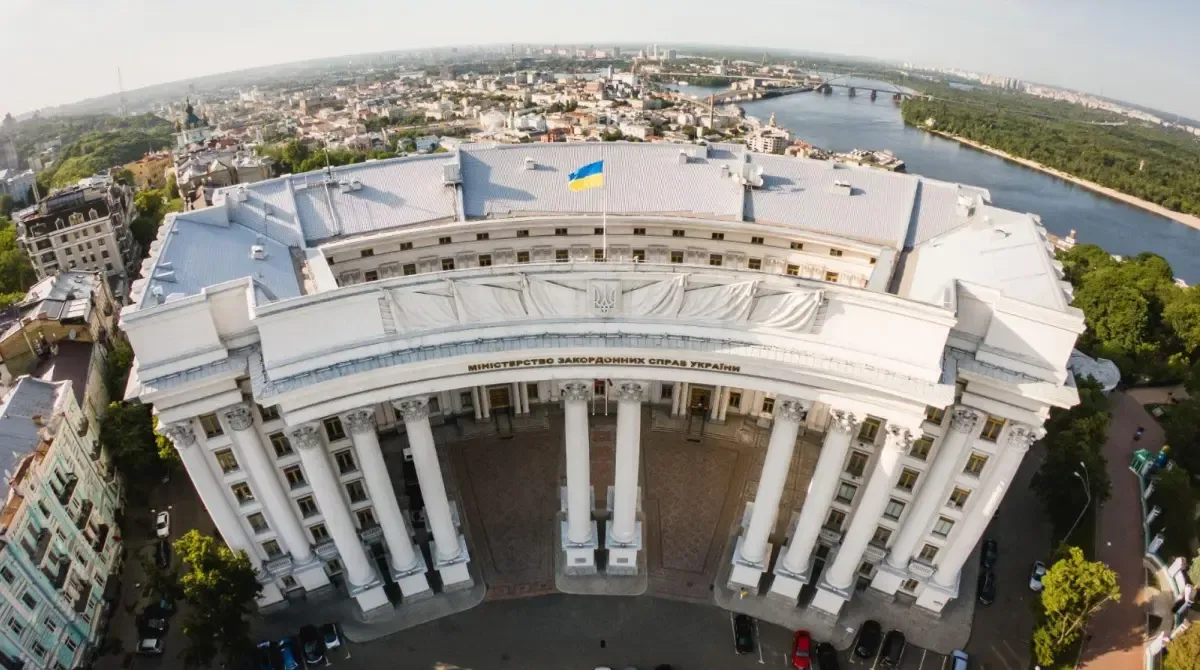
This is stated in a comment by the Ukrainian Ministry of Foreign Affairs.
Qasim al-Abudi made the allegations on 27 July in an interview with the Iraqi television channel Dijlah TV. He stated that local security forces had detained a “limited number of groups” who had allegedly carried out attacks on several targets within Iraq.
According to the adviser, those detained reportedly confessed during questioning that they were working for Ukraine. Al-Abudi also claimed that a special intelligence unit, which analysed the information gathered, had concluded that Ukraine was involved.
The official did not name the detainees, the number of group members, the dates of the attacks or the targets. Nor did he specify which Ukrainian organisations were allegedly collaborating with the detainees.
Al-Abudi acknowledged that the case requires a large-scale investigation before the Iraqi authorities can identify those responsible or formally charge any party. No investigative material has been publicly presented to support his claims.
Georgiy Tykhyi, a spokesperson for the Ukrainian Ministry of Foreign Affairs, described the allegations as baseless and unsupported by evidence. According to him, prior to the television interview, the Iraqi side had not passed on any information about the investigation to Ukraine through diplomatic channels, nor had it made any official complaints.
“If the allegations had even the slightest basis in reality, it would have been logical to choose precisely this form of dialogue between the countries. Instead, the Ukrainian side first learnt of the accusations levelled against it during a live television broadcast,” Tykhyi noted.
The Ministry of Foreign Affairs described as unacceptable the dissemination of accusations by a senior official of a friendly state without a proper evidential basis. The ministry believes that such statements violate the principles of mutual respect and may harm relations between Ukraine and Iraq.
Kyiv also drew attention to the similarity between al-Abudi’s statements and Russian propaganda narratives. The Foreign Ministry suggested that this incident could be the result of external information influence or part of an information and psychological operation directed against Ukrainian-Iraqi relations. The ministry did not provide any evidence of a coordinated operation, so this remains the Ukrainian side’s version of events.
Ukraine called on the Iraqi authorities to respond to the adviser’s statements and to prevent state institutions from being used to disseminate unverified information.
At the same time, Kyiv emphasised that it continues to regard Iraq as an important partner in the Middle East and is interested in political, economic and humanitarian cooperation.
In the same interview, al-Abudi stated that between three and five thousand Iraqi citizens may have joined Russian and Ukrainian forces. According to his estimate, over 200 Iraqis have been killed in the war. There is no independent confirmation of these figures.
The Iraqi authorities have also reported that they are combating networks that recruit citizens to take part in the war. According to Baghdad, the organisers were seeking recruits via social media, intermediaries and illegal smuggling routes. These statements concerned the participation of Iraqis in combat operations outside the country and did not corroborate specific allegations regarding Ukrainian groups operating within Iraq.