Ukrainian drones have brought most oil refineries in central Russia to a standstill


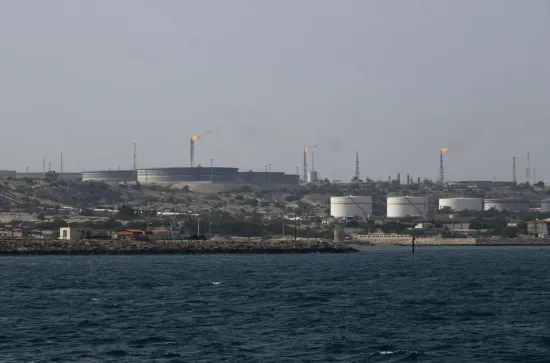
Almost all major oil refineries in central Russia have been forced in recent weeks to either shut down completely or significantly reduce their oil processing volumes following drone attacks. This is according to Reuters, citing sources and official data.
According to the agency’s estimates, the combined capacity of the plants that have fully or partially halted operations exceeds 83 million tonnes of oil per year, or around 238,000 tonnes per day. This represents approximately a quarter of Russia’s total oil refining capacity.
These plants accounted for over 30% of motor petrol production and around 25% of diesel fuel production in Russia. Against this backdrop, Moscow had previously imposed a ban on petrol exports from April until the end of July.
In 2026, the number of drone attacks on Russian energy infrastructure increased significantly. Strikes were directed not only at refineries but also at pipelines and fuel storage facilities. This affected oil production and increased pressure on the Russian federal budget, where oil and gas revenues account for around a quarter of total revenue.
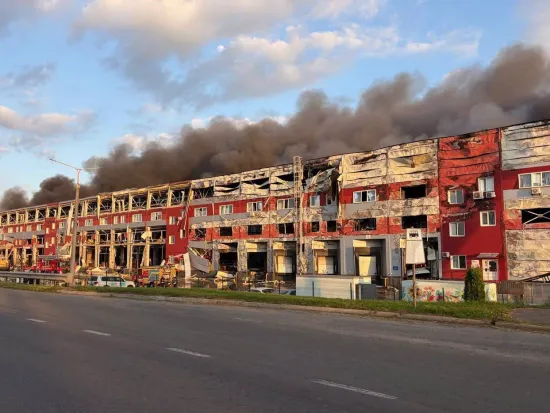
Among the facilities targeted were oil refineries in Kirishi, Moscow, Nizhny Novgorod, Ryazan, Yaroslavl, Syzran, Novoshakhtinsk and Slavyansk.
One of the country’s largest refineries, Kirishinefteorgsintez in the Leningrad Oblast, with a capacity of 20 million tonnes per year, has been completely shut down since 5 May. The Nizhegorodnefteorgsintez refinery, with a capacity of 17 million tonnes per year, was attacked on 20 May. It is currently unknown whether the plant has managed to maintain partial operational capacity.
The Ryazan refinery, owned by Rosneft, suspended operations at two primary oil refining units following a drone attack. The facility later partially resumed operations and increased capacity utilisation to approximately 60% of normal levels.
The Moscow refinery has been shut down since 17 May, whilst Yaroslavnefteorgsintez is operating at around a quarter of its nominal capacity. Fuel sales by certain companies on the St Petersburg International Commodity and Raw Materials Exchange have been reduced or suspended.
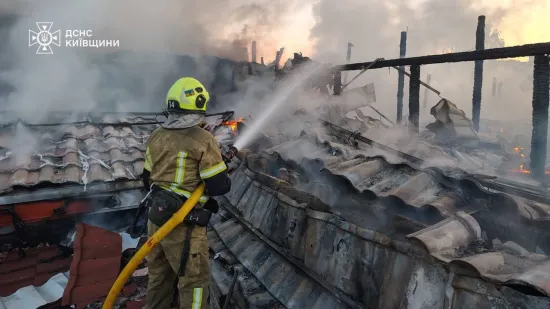
In the Samara region, the Syzran, Kuibyshev and Novokuibyshevsk refineries have come under attack. At the Syzran plant, a fire broke out following a drone strike, damaging one of the primary oil refining units. The Novokuibyshevsk refinery is currently operating at around a quarter of its capacity.
There are also reports of attacks on the privately-owned Slavyansk oil refinery in the Krasnodar Krai and on the Kaluga oil refinery near Moscow.
Some of the other Russian facilities that could have offset the production shortfall in the central part of the country have also been attacked or are not operating at full capacity. These include Permnefteorgsintez and the Astrakhan gas processing plant.
Follow us on Telegram