Ukrainians across Europe remain between two homes due to the war

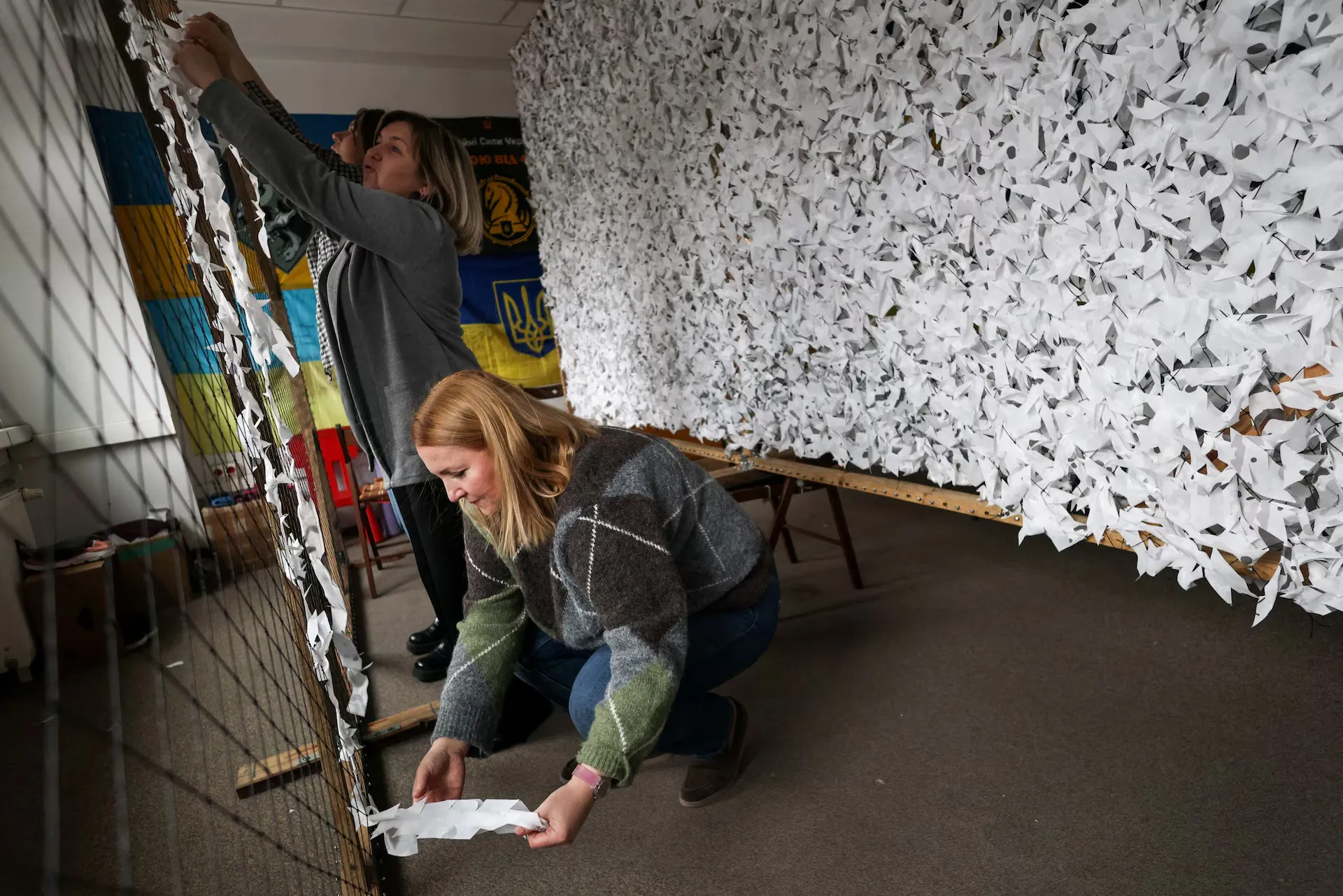
51-year-old journalist Marina Bondarenko keeps three packed suitcases in her flat in Poland. She left Kyiv with her son and mother on 24 February 2022, when Russia launched its invasion. At the time, she thought she would be abroad for a month or two.
Four years have passed, but she still works for a Ukrainian-language news outlet that serves more than 1.5 million Ukrainians in Poland. She says that it has often seemed like a return was imminent. Her family has packed their belongings and prepared to go home, but repeated shelling and power and heating outages in Kyiv have forced them to stay.
Marina Bondarenko wants to reunite with her husband Andriy Dudko, a 44-year-old former television cameraman who now serves as a drone operator on the front lines. She says she cannot bring her child to a place under rocket fire.
In Poland, large Ukrainian communities have formed in Warsaw and Krakow. At the same time, tensions sometimes arise with local residents, who complain about competition for social benefits and jobs.
According to the UN, there are more than 5 million Ukrainians in Europe. About three-quarters of them are women and children, as Ukraine is under martial law and men of conscription age are prohibited from leaving the country.
Volodymyr Zelensky's government hopes that 70 per cent of Ukrainians will return after the war ends. At the same time, surveys show that the proportion of those planning to return is decreasing over time.
Marina Bondarenko's 11-year-old son, Danylo, says he hardly remembers life in Ukraine. He notes that he does not think about returning, even though he has encountered hostility towards Ukrainians at school.
Iryna Kushnir and Olga Yermolenko, who studied together in Kharkiv, met again in Istanbul after the war began. Iryna Kushnir left, leaving her 19-year-old daughter Sofia in Ukraine. She initially planned a short stay, but four years later she married a Turkish man and now works as a lecturer in the Ukrainian department of Istanbul University.
Olga Yermolenko works remotely as a financial specialist for Ukrainian clients. Her 73-year-old mother, Tetyana, lives in Kharkiv. She says she feels caught between the past and a possible future, follows the news from Ukraine and is learning Turkish. When she sees reports of rocket strikes on Kharkiv, she immediately calls her mother to make sure she is okay.