Water charges are rising sharply: in some towns, Ukrainians will be paying over 100 UAH per cubic metre

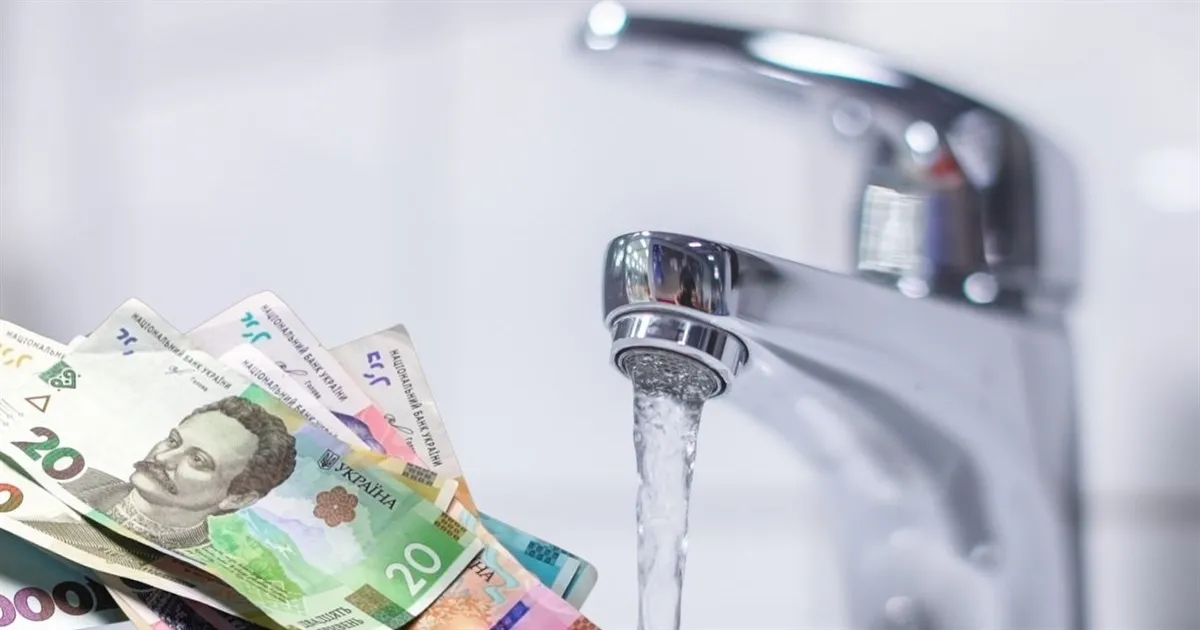
Water bills for Ukrainians could rise significantly as early as this summer. In a number of cities, the new tariffs have already come into force, whilst in some localities the cost of water supply and drainage has exceeded 100 hryvnias per cubic metre. At the same time, dozens of water utilities across the country have initiated another round of price reviews, citing increased production costs and the need to upgrade ageing infrastructure.
Why are water tariffs rising?
Following the transfer of tariff-setting powers from the National Commission for Energy and Utilities Regulation to local authorities, decisions on price changes are increasingly being taken at community level.
Utility companies cite a significant rise in costs for electricity, water treatment chemicals and staff wages, as well as the need to modernise ageing networks, as reasons for the tariff increases.
In many towns, water mains and sewerage systems require substantial investment to maintain stable operation.
Where are the highest water tariffs in Ukraine?
As of early June, the highest tariffs for centralised water supply and sewerage services have already been recorded in a number of towns and cities. For example, in Pavlohrad, consumers pay 113 UAH per cubic metre of water, including sewerage charges.
In Drohobych, the tariff is 87.30 UAH; in Voznesensk, 71.44 UAH; in Zaporizhzhia, 69.37 UAH; and in Chernivtsi, 63.56 UAH per cubic metre.
The increase will be even more noticeable for residents of Borodianka. According to a decision by the town council, from 1 July the tariff for centralised water supply will be 56.76 UAH per cubic metre, and for wastewater disposal – 82.58 UAH. The total cost of services will reach 139.34 UAH per cubic metre.
By way of comparison, a family of four consumes an average of around 10 cubic metres of water per month. Under the new tariffs, water supply and drainage alone could cost over 1,300 hryvnias a month.
Which cities are reviewing their water tariffs
At the same time, the process of reviewing tariffs is still ongoing in many cities. Local water utilities have already submitted economic justifications for the new rates, and final decisions are to be taken by local councillors.
Among the cities where tariff increases are being considered is Vinnytsia, where the cost of services could rise to 81.01 hryvnias per cubic metre. In Dnipro, the proposed tariff is 86.83 UAH; in Odesa, over 90 UAH; in Uzhhorod, more than 96 UAH; and in Ternopil, almost 99 UAH per cubic metre.
New tariffs are also forecast in Kryvyi Rih – around 78 UAH per cubic metre, in Lutsk – 73.25 UAH, and in Uman, where the cost may exceed 130 UAH per cubic metre.
As reported by the ‘Judicial and Legal Gazette’, the Odesa branch of ‘Infoksvodokanal’ has published a draft of new tariffs for the general public. In Kyiv, however, no official decisions regarding tariff increases have yet been taken. For residents of the capital, the current tariffs will apply this summer – around 16.16 UAH per cubic metre for water supply and 14.22 UAH per cubic metre for wastewater disposal. However, ‘Kyivvodokanal’ is considering the possibility of raising rates to 65 UAH per cubic metre.
How to reduce water consumption and pay less: practical tips
Saving water in your flat is not only a way to reduce utility bills but also an important contribution to conserving natural resources. Many people do not even realise how much water is wasted every day due to habits or faulty plumbing.
One of the most effective ways to reduce water consumption is to fix leaks promptly. Even a small drip from a tap or toilet cistern can lead to significant water wastage over the course of a month. It is also worth installing modern mixers and aerators, which mix water with air and allow you to reduce water consumption without compromising on comfort.
You should not leave the tap running whilst brushing your teeth, shaving or lathering your hands. Such simple actions help to save tens of litres of water every day. Similarly, when washing up, it is advisable to lather all the crockery first, and only then rinse off the washing-up liquid.
It is best to run the washing machine and dishwasher only when they are fully loaded. Modern household appliances use water much more efficiently than washing by hand or washing up by hand, but maximum savings are achieved precisely when they are fully loaded.
A shower usually requires less water than filling a bath. If you reduce your shower time by even a few minutes, you can significantly reduce your water consumption without any noticeable inconvenience.
It is also useful to keep an eye on your meter readings and analyse your own consumption. This helps you spot any unusual increases in usage in good time and identify potential problems with your plumbing.
Follow us on Telegram