Sugar substitute in diet drinks turned out to be dangerous for the liver

This is written by ThePublic.info, citing EurekAlert.
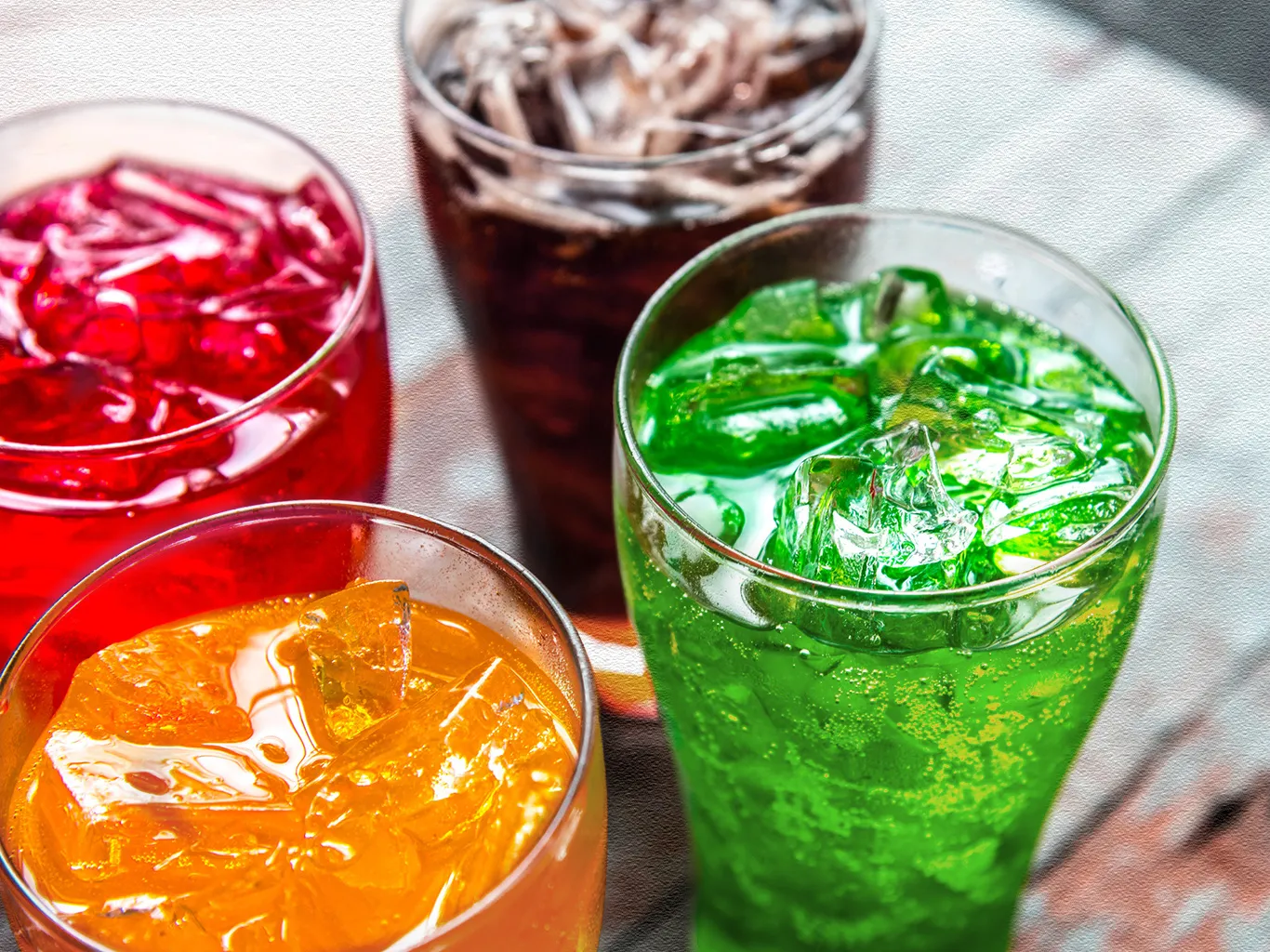
Many consider diet soda to be a safer alternative to regular sugary drinks. However, new research shows that both can significantly increase the risk of developing severe liver diseases.
It concerns hepatic steatosis associated with metabolic dysfunction (MASLD, formerly known as non-alcoholic fatty liver disease). This condition occurs when excess fat accumulates in the liver. Over time, it can lead to inflammation, fibrosis, and even cirrhosis. Today, MASLD is considered the most common chronic liver disease worldwide — affecting up to 30% of adults in some countries, and increasingly becoming a cause of liver-related mortality.
Researchers analyzed data from over 100,000 individuals from the UK Biobank database, who showed no signs of liver disease at the start of the observation. Over approximately 10 years, participants reported their diet, including the amount of sweet (sugar-containing) and diet (artificial sweetener) drinks. Scientists compared this data with liver health indicators and used modern imaging methods to measure liver fat levels.
People who drank more than one can (about 250 ml) of regular or diet carbonated water daily had an increased risk of MASLD.
-
Diet drinks increased the risk by approximately 60%.
-
Sweet drinks — by 50%.
The study also showed that diet carbonated water is not a safer choice. Moreover, its consumption was associated with increased mortality from liver diseases, whereas no such association was found for sugary drinks. Both types of beverages led to increased fat content in the liver.
According to lead author Lihé Liu, sugary drinks cause sharp spikes in blood sugar and insulin levels, promoting fat accumulation. Diet drinks work differently: they may disrupt gut microbiota, interfere with satiety signals, and increase cravings for sweets, which can lead to overeating.
The main conclusion is to limit the intake of any sweetened beverages, regardless of whether they contain sugar or substitutes. Replacing one can of soda with a glass of water per day reduced the risk of MASLD:
-
by 13% — if replacing a sugary drink;
-
by 15% — if replacing a diet drink.
However, simply switching from regular to diet soda is not enough: no benefits are observed. The best options remain water, sparkling water with juice, cold green tea, or unsweetened alternatives.