‘Zircons’ across Ukraine: why Russia is using anti-ship missiles

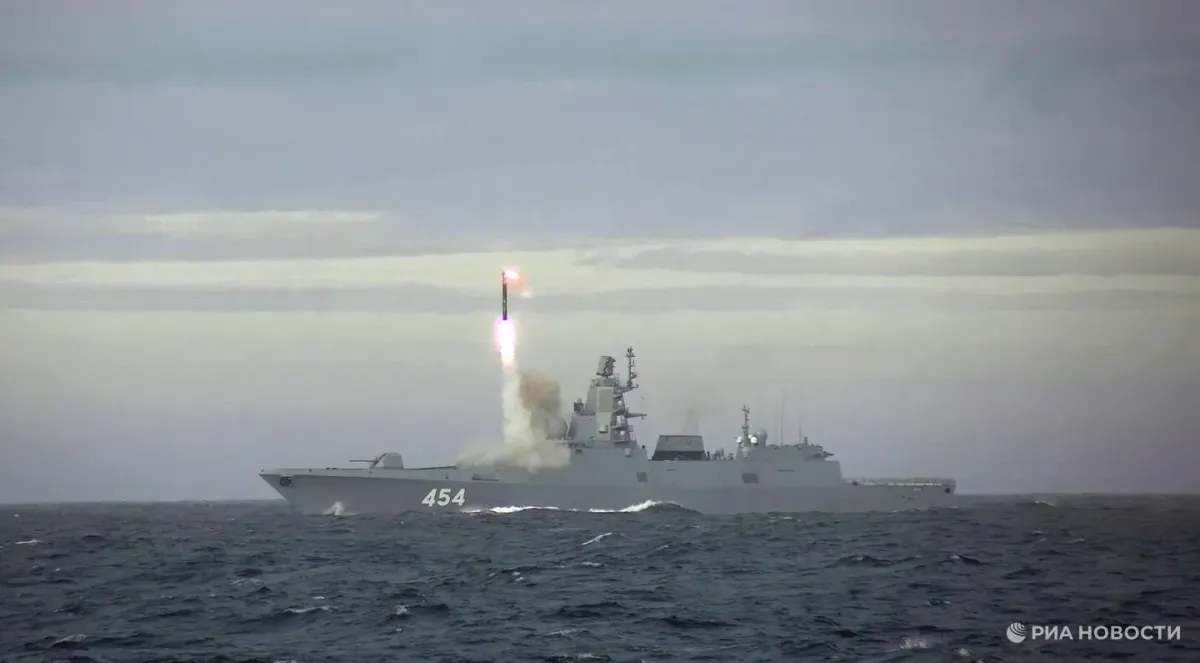
Russian forces are using various types of weaponry in their attacks on Ukraine, including ‘Zircon’ anti-ship missiles.
According to Channel 24, on 2 June 2026, monitoring channels again reported the possible use of “Zircons” during an attack on Ukraine. Explosions were heard in Kyiv in the morning, and the Air Force warned of a ballistic threat from the south.
Natalia Humenyuk, former head of the Joint Coordination Press Centre of the Southern Defence Forces, commenting on the use of such missiles to Channel 24, stated that the Russians still have plenty of anti-ship missiles, but the occupiers have virtually nowhere to use them for their intended purpose.
Why is Russia striking Ukraine with ‘Zircons’?
According to Gumenyuk, if Russia were to start striking civilian vessels with anti-ship missiles, the international community would react “extremely strongly”.
She explained that this is not currently the enemy’s main objective. Therefore, she said, Russia is attempting to deploy its full missile capability in various ways.
Gumenyuk noted that anti-ship missiles are specialised and have an extremely high speed. This is likely what the enemy is counting on, hoping to complicate the work of Ukraine’s air defence.
What is known about the “Zircon”
The 3M22 “Zircon” is an anti-ship missile that Russia claims is hypersonic. Its primary purpose is to strike ships, particularly frigates and aircraft carriers, as well as ground targets.
Channel 24 notes that Russia developed this missile with a view to a possible confrontation with the US and its aircraft carrier groups.
According to specifications provided by the Russian side, the Zircon’s speed can reach Mach 8–10, its flight altitude 30–40 kilometres, and its range up to 1,000 kilometres under specific conditions. However, the Channel 24 report states that the actual range may be 250–500 kilometres.
“Zircons” have already been used against Ukraine
Russia has repeatedly used “Zircon” missiles against Ukraine in 2024, 2025 and 2026.
In particular, debris from a 3M22 “Zircon” missile was found in Kyiv following the attack on 7 February 2024. According to a source, the strike damaged a footpath and a high-voltage cable, and a large crater formed at the point of detonation.
The attack on Kyiv on 25 March 2024 is mentioned. The missiles were likely launched from the territory of the temporarily occupied Crimea, and they reached the capital in a matter of minutes.
As a result of that attack, debris fell on the city. In particular, a building in the Pechersk district and a local school gym were damaged. According to Channel 24, there were no casualties.
Can a “Zircon” be shot down?
Despite Russian claims that this missile is supposedly “uninterceptable”, the Channel 24 report cites instances where Ukrainian air defences have shot down “Zircons”.
In particular, on 3 February 2026, during a massive combined strike on the energy sector, Russia used four “Zircon” missiles. According to Channel 24, air defence forces were able to intercept all four targets.
Also, on 26 February, the occupiers launched two “Zircons” from Crimea, and air defence forces neutralised both missiles.
This indicates that the “Zircon” remains a dangerous weapon, but Russian claims of its absolute invulnerability are not borne out by practice.
How many “Zircons” might Russia have?
According to data from the Main Intelligence Directorate of the Ministry of Defence, cited by Channel 24, Russia may have 40 “Zircon” missiles in stock. It is also noted that the Russian defence industry is capable of manufacturing up to 10 such missiles per month.
At the same time, the report emphasises that the specifications of the “Zircon” claimed by Russia should be treated with caution, as some of the claims about this weapon are based on propaganda and computer modelling.
Follow us on Telegram
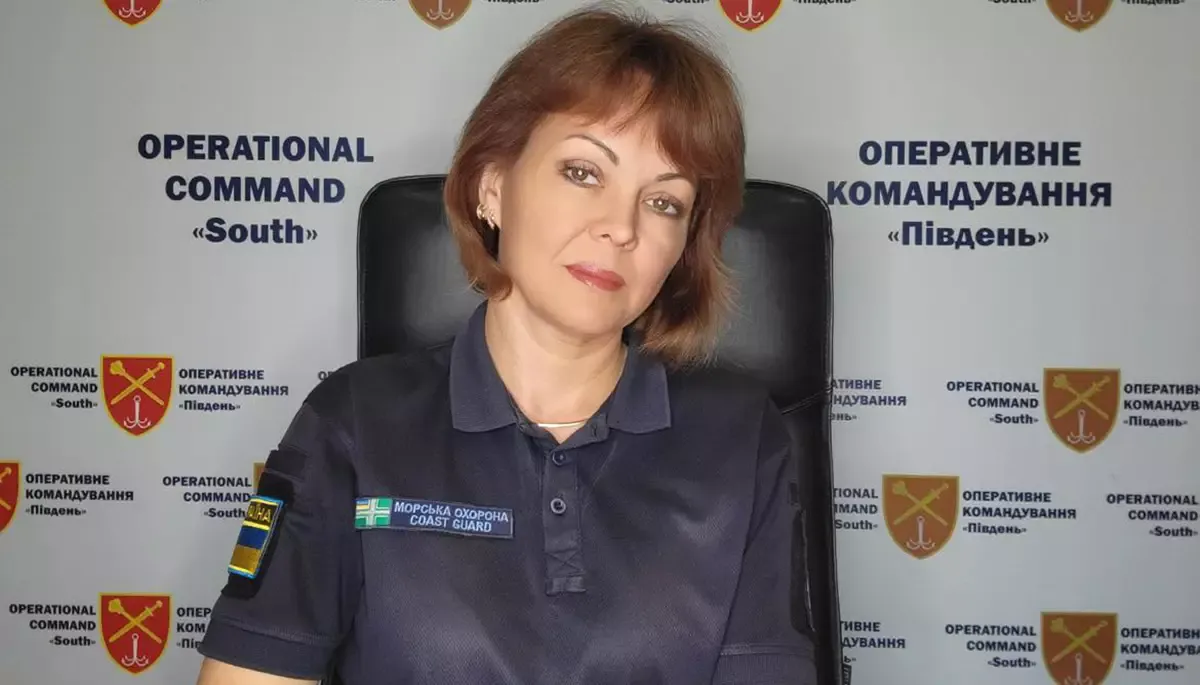
Natalia Humenyuk is a Ukrainian military officer, a colonel in the State Border Guard Service of Ukraine, and the former head of the Joint Coordination Press Centre of the Southern Defence Forces of Ukraine. During the full-scale war, she provided commentary on the situation in the south, including missile threats, the situation in the Black Sea, and Russian strikes on southern regions. In April 2024, the General Staff announced her dismissal from her post at the Southern Defence Forces press centre, and in June 2024 she confirmed her appointment as deputy head of the communications department of the ‘South’ Operational Command.