


Author’s articles
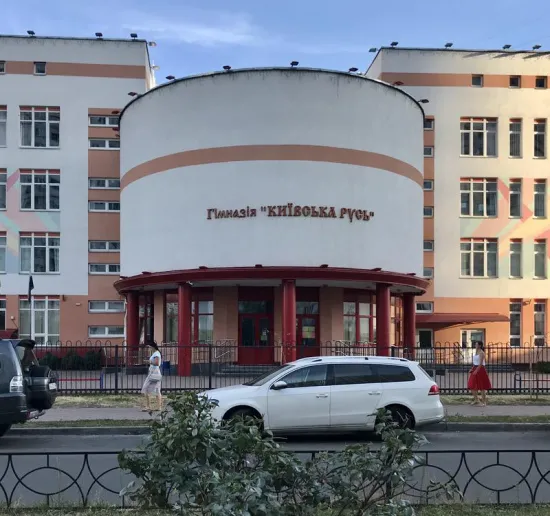
In Kyiv, the building of the “Kyivska Rus” secondary school in Osokorky has been deemed to pose a potential risk of a man-made emergency. Following the experts’ findings and the decision of the commission on man-made and environmental safety, the school’s operations have been temporarily suspended, and pupils have been transferred to distance learning with the option of switching to face-to-face learning at other schools.
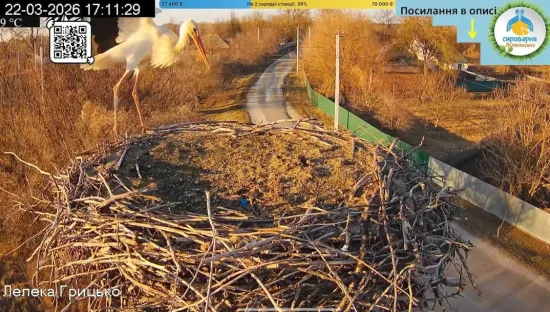
On 22 March, the first stork of the season arrived at a nest in the Pyriatyn National Nature Park in the Poltava region. Its arrival was captured live on camera, with over 200 viewers watching at the time; however, the bird turned out not to be from the pair that observers are waiting to return.
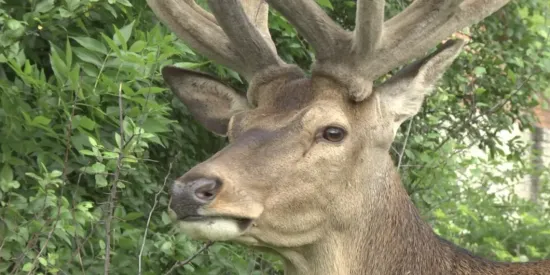
In the Zarichne district of Rivne region, during the night of 23–24 March, a car struck Boris the deer, who was well known to local residents and thousands of people on social media. The animal sustained serious injuries in the collision and is in a critical condition, whilst the driver, who fled the scene of the accident, is being sought.
On Tuesday, 24 March, Ukraine will once again introduce rolling blackouts due to the impact of Russian attacks on the energy infrastructure. The restrictions will apply to both industrial enterprises and domestic consumers during peak demand periods.
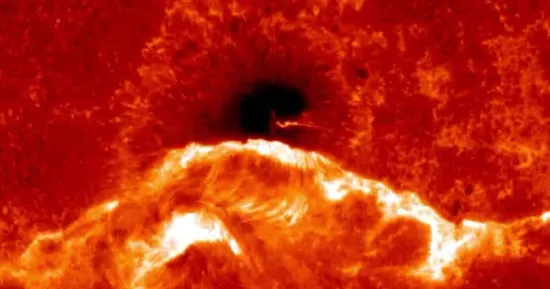
On Tuesday, 24 March, solar activity will decrease slightly, but the geomagnetic background will remain elevated. A magnetic storm with a K-index of 4 is expected, and isolated periods of mild storm activity are possible over the coming days.
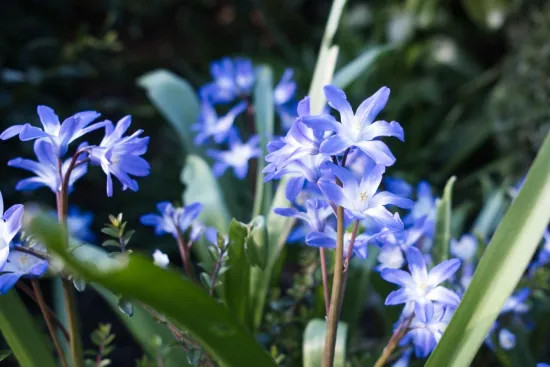
On 24 March, Orthodox Christians following the New Style calendar honour Saint Zacharias of the Caves and observe the eve of the Annunciation of the Blessed Virgin Mary. This day combines church traditions, folk customs and a number of prohibitions which, according to popular belief, are particularly important to observe on the eve of this major feast day.
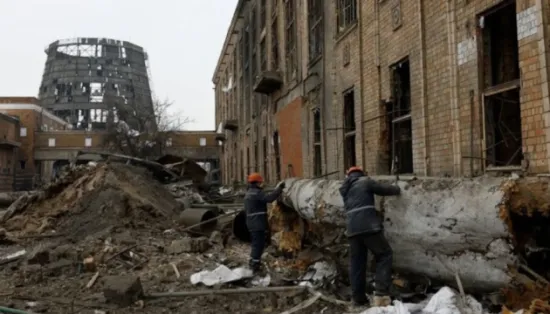
The European Bank for Reconstruction and Development has approved an emergency grant of €20 million for Kyiv to install containerised cogeneration units, whilst the European Union will provide an additional €2.07 million in technical assistance to modernise the capital’s heating system. The new capacity is intended to support the city’s infrastructure during blackouts and form part of preparations for the winter of 2026–2027.
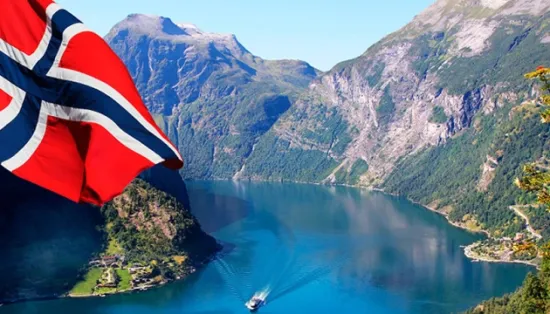
The Norwegian government is to allocate 93 million Norwegian kroner, or around 8 million euros, to support Ukrainian and Norwegian companies implementing pilot projects in Ukraine. Funding will be provided to businesses in the renewable energy and pharmaceutical supply sectors.
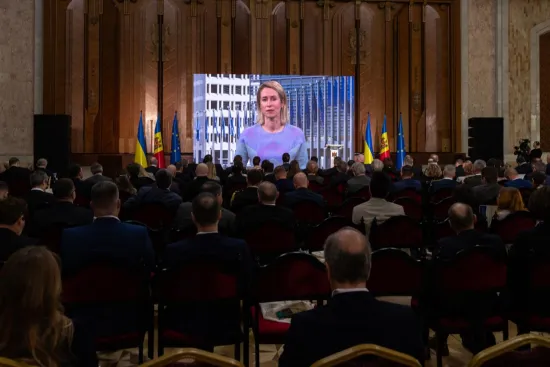
At the Third Black Sea Security Conference in Chisinau, Ukraine’s Minister of Foreign Affairs Andrii Sibiga stated that Russia had seized around 2 million tonnes of Ukrainian grain in 2025, whilst European Commission Vice-President Kaja Kallas announced that the EU was preparing measures in response to Russia’s aggression in the Black Sea. The discussions focused on the safety of shipping, the protection of maritime infrastructure, the de-occupation of Crimea and new mechanisms to support the region.
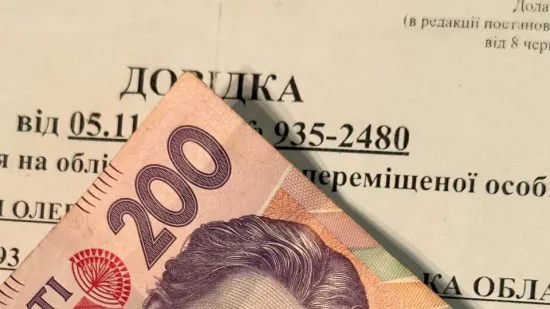
The Cabinet of Ministers has expanded support for internally displaced persons and amended the rules governing the provision of living allowances. The most vulnerable groups of displaced persons will be able to receive payments for a further six months, whilst a separate procedure for granting assistance has been introduced for children among internally displaced persons, regardless of their family’s income.
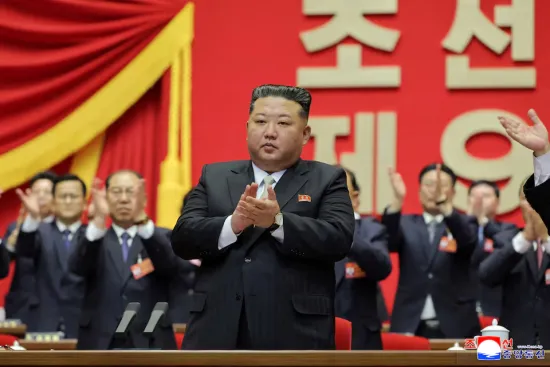
In North Korea, Kim Jong-un has been re-elected as Chairman of the State Affairs Commission. The decision was taken at the first session of the newly elected Supreme People’s Assembly, which is also set to consider constitutional amendments, personnel matters and the implementation of the new five-year economic plan.
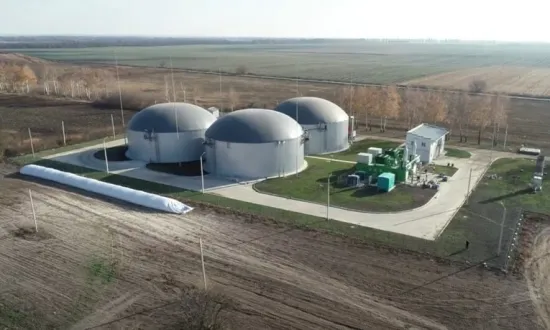
A new biomethane plant began operations in the Khmelnytskyi region in March, becoming the largest in Ukraine in terms of capacity. The facility, developed by the Teofipol Energy Company, is capable of producing 56 million cubic metres of biomethane per year and feeding it directly into the gas transmission network.

