


Author’s articles

The initiative by the anti-corruption authorities to establish a specialised expert body raises doubts as to whether it will be used to obtain findings that solely support the prosecution’s case. This view was expressed by Semen Khanin, managing partner of the law firm “Amber”.

On the morning of 13 July, Russian troops attacked a civilian merchant vessel flying the flag of the Republic of Togo as it was unloading mineral fertilisers at a port in the Odesa region.
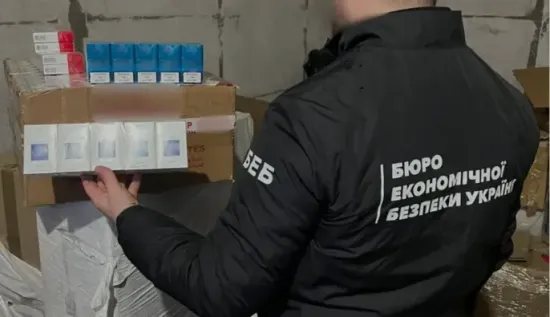
Business representatives consider the impact of the ESBU’s work to be insignificant, as, despite the agency’s claims that an illegal cigarette factory has been shut down, the black market in Ukraine continues to grow rapidly. According to Kantar Ukraine, it has reached 19.8 per cent. The Bureau describes these findings as “premature”.

Six months after the opening of criminal proceedings against a number of Telegram channels, detectives from the Economic Security Bureau of Ukraine (ESBU) had still not announced any charges. Instead, the number of posts on these platforms concerning the director of the Economic Security Bureau has risen significantly, and their tone has changed dramatically: from accusations that Oleksandr Tsyvinskyi was working for hostile intelligence services to his being quoted extensively.
Despite Oleksandr Tsyvinsky’s statements regarding a mechanism developed by the Economic Security Bureau for dealing with businesses that have evaded tax, the agency itself was unable to explain what this mechanism entails, how it selects the companies with which it reaches a compromise, or what criteria they use when exempting offenders from criminal liability. In particular, they noted that the matter requires “further consideration”.
Tetyana Petrenko, a senior detective at the Economic Security Bureau and former secretary to the deputy director, received 565 thousand UAH in payments from the budget on the eve of her dismissal. At virtually the same time, at least four other Bureau staff members received monthly salaries ranging from 255,000 to 465,000 hryvnias.
Every year, Ukraine loses around 38 billion hryvnia in tax revenue due to the illegal market for tobacco products and vapes, and most of the retail outlets closed down by law enforcement agencies resume trading within a week. Isolated raids and searches are not enough to tackle the black market in this sector.
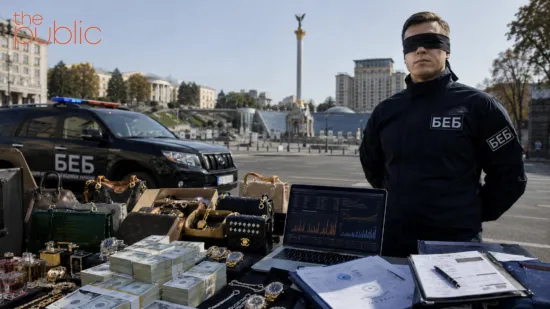
Whilst the Economic Security Bureau of Ukraine (ESBU) reports on its fight against smuggling and the promotion of a level playing field for business, the Ukrainian market has been flooded with counterfeit global brands. Hermès bags, Dior shoes, Rolex watches and Graff jewellery are sold via Telegram, Instagram and showrooms in central Kyiv. Such goods enter the country illegally, and payments are made outside the scope of tax control. The result is billions in losses for the budget and legitimate businesses.

Expert Serhiy Kuyun commented on the introduction of new petrol standards at Ukrainian petrol stations. According to him, one of the main innovations is the E10 standard. This type of petrol contains 7% or more bioethanol, and its use will help reduce fuel imports and have a positive impact on the economy.
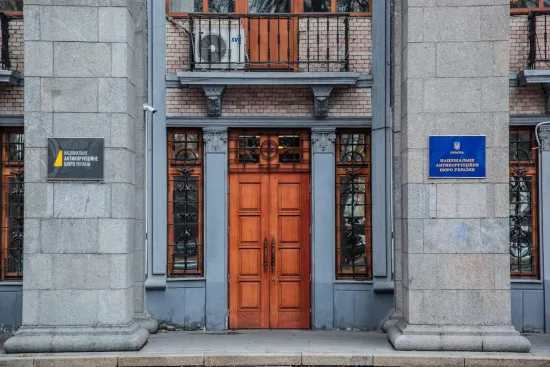
The National Anti-Corruption Bureau of Ukraine (NABU) has concluded an internal investigation into possible breaches of the law by Ruslan Magamedrasulov, head of the bureau’s detective unit. He had previously been accused of receiving funds in exchange for helping to avoid prosecution for Volodymyr Solonchak, who featured in Komarnytskyi’s recordings in the “Clean City” case. At the time, the investigation was overseen by the current director of the Economic Security Bureau of Ukraine, Oleksandr Tsyvinskyi.

Despite his public promises, the new head of the State Customs Service, Orest Mandziy, has begun a restructuring of the Service starting with middle management rather than overhauling the senior leadership. Furthermore, he has extended the contract of his deputy, whose integrity is questioned by campaigners.
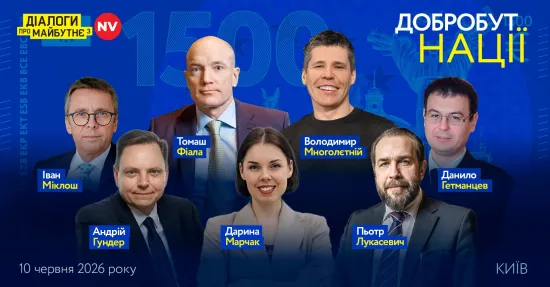
MP Danylo Getmantsev stated that parliamentarians are dissatisfied with the slow progress in bringing the economy out of the shadows, and that, instead of delivering tangible results, the Economic Security Bureau is ‘feeding’ the public with presentations and manipulating the figures in its reports.

