


Author’s articles

The State Bureau of Investigations is to purchase business analytics software worth 13.5 million hryvnias.
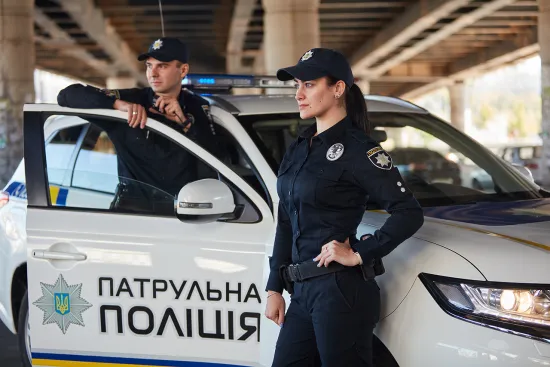
Amid claims of inadequate funding, the patrol police have launched a tender for the purchase of postage stamps worth nearly 5 million hryvnias
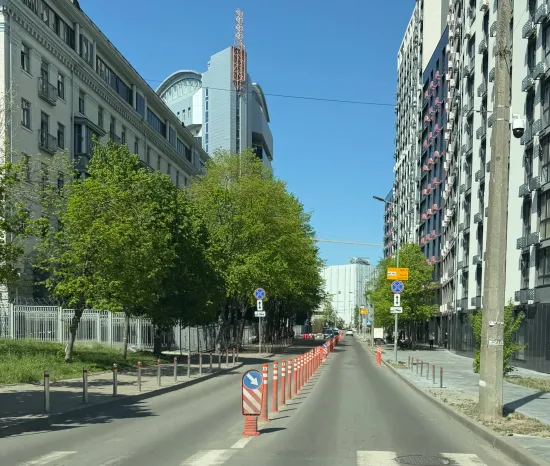
The Economic Security Bureau has asked the Kyiv City State Administration to install bollards outside its premises due to the “risk of sabotage and reconnaissance activities” carried out using cars parked nearby. Each bollard costs almost 2,000 UAH.

The Minister of the Interior has appointed Oleksandr Shevchuk as Deputy Head of the National Police and Head of the Department of Strategic Investigations. Klymenko signed the relevant order on 30 April.
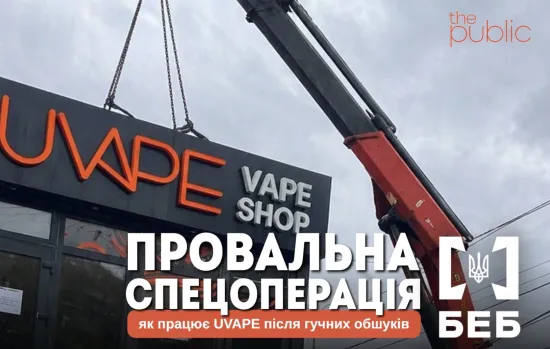
Every year, the Ukrainian budget loses between 8 and 10 billion hryvnias due to the illegal vape market, according to various estimates. One of the largest chains accused of illegal activity is Uvape. Recently, the Director of the Economic Security Bureau, Oleksandr Tsyvinskyi, reported on the dismantling of this illegal scheme. However, the chain continues to operate, still evading tax payments.
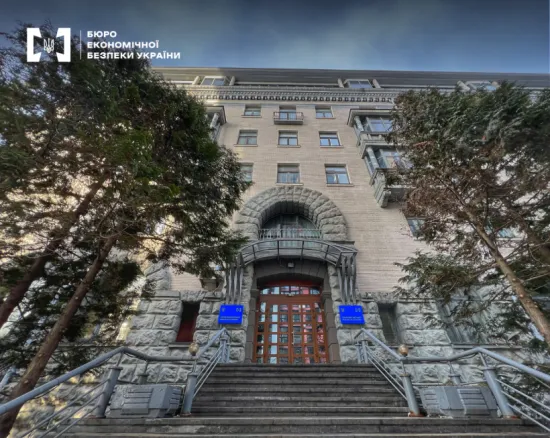
The Economic Security Bureau is looking for a head of the innovation department with a salary of 100,000 hryvnias. In total, the agency has opened more than 260 new vacancies. These include detectives, analysts, lawyers, managers, communications specialists, and experts in internal control and HR.
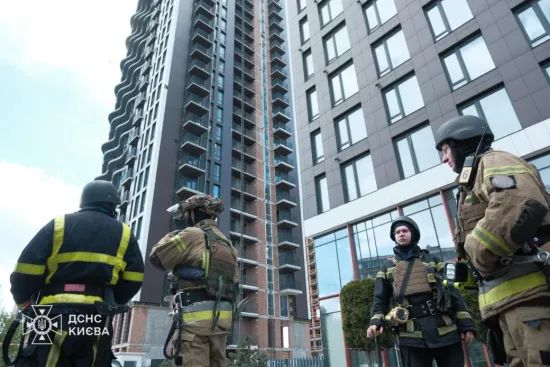
Creator-Bud has officially announced the consequences of a drone strike on one of its sites. The developer promises to resume work as early as tomorrow.
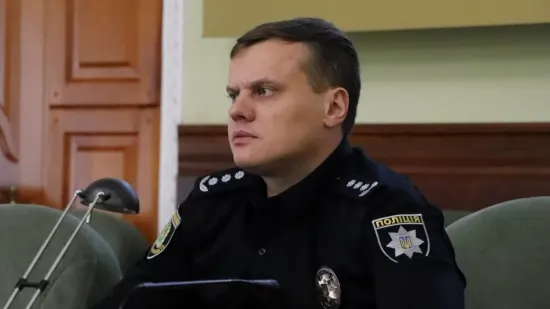
Andriy Rubel has resigned from his post as head of the Strategic Investigations Department of the National Police of Ukraine.
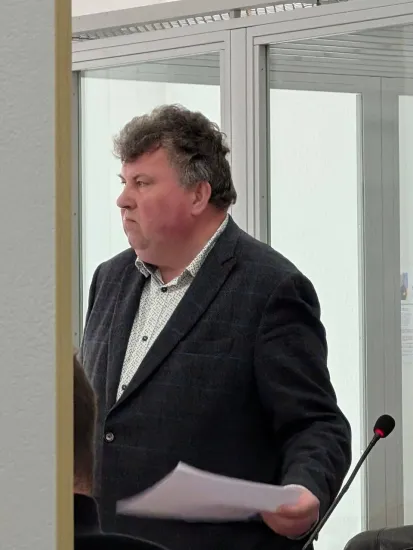
The Kyiv Court of Appeal has found Vladimir Bugrov, rector of Kyiv National University, guilty of making false declarations regarding his assets.
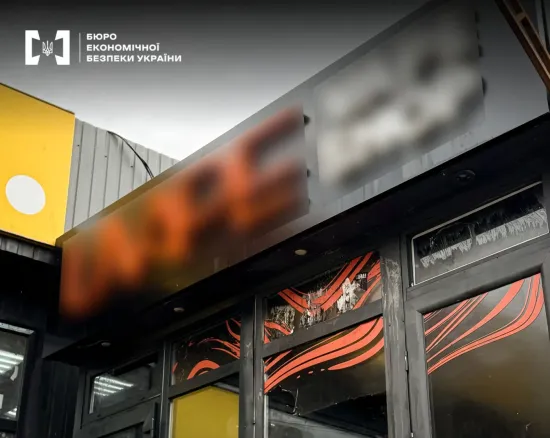
Amid high-profile statements from law enforcement agencies about a major crackdown on the vaping market, journalists from the Telegraf newspaper conducted their own investigation and found that the chain, which was recently the subject of high-profile raids, remains in operation.
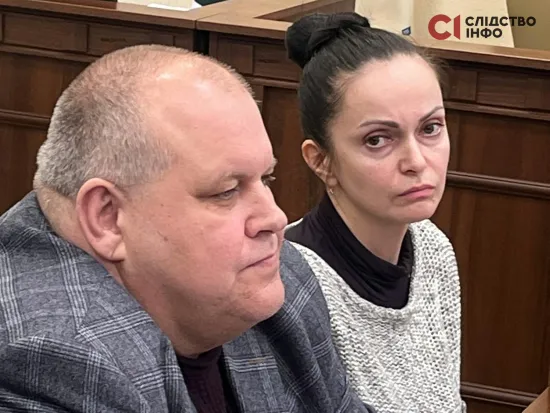
The police officer suspected of professional negligence, who, along with her partner, left the scene of the terrorist attack on 18 April in the Holosiivskyi district of Kyiv, took part in the events of the Revolution of Dignity.
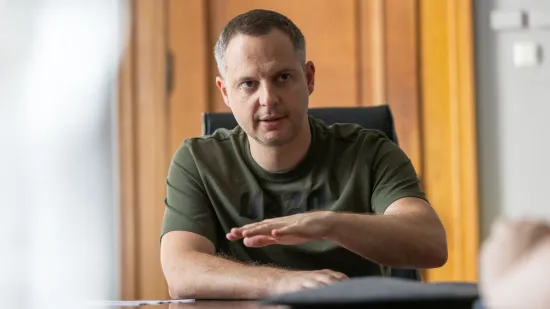
Rostislav Shurma, a former deputy head of the Office of the President of Ukraine, has responded to the decision to place him on the wanted list. According to the former official, the decision is politically motivated and was taken in breach of legal procedure.

