The introduction of fuel with a high bioethanol content will enable Ukraine to reduce its petrol imports, says an expert

Kira Aronova
Kira Aronova Journalist
The introduction of fuel with a high bioethanol content will enable Ukraine to reduce its petrol imports, says an expert
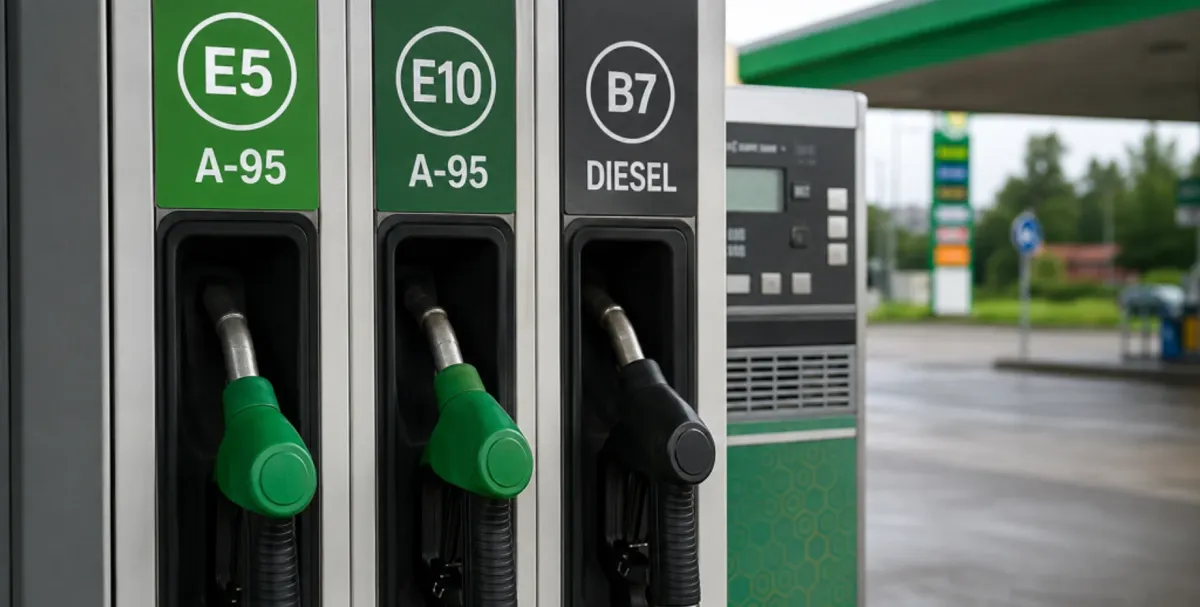
Fuel labelling at petrol stations Photo: From open sources
Expert Serhiy Kuyun commented on the introduction of new petrol standards at Ukrainian petrol stations. According to him, one of the main innovations is the E10 standard. This type of petrol contains 7% or more bioethanol, and its use will help reduce fuel imports and have a positive impact on the economy.

Serhiy Kuyun wrote about this on his Facebook page.

“Only the new E10 petrol standard is being introduced, which means a bioethanol content of 7% or higher. Price: 15–25 dollars per tonne more expensive than E10, but no one will even notice those 50–75 kopecks per litre against a background of 75 UAH per litre at the pump, and no one will even bother to check the price because of it. Quality: there will be no change in the quality of the fuel or its properties. Previously, a petrochemical octane booster was used; now a plant-based one will be used. Benefits: we already have plenty of bioethanol, and within 2–3 years there will be ten times as much; the necessary production capacity is already being built. This will allow us to reduce petrol imports (for which we must not stop, but instead massively introduce fuels with a high bioethanol content, including E85), increase bioethanol exports (although Europe isn’t exactly waiting for us), and boost the agricultural sector,” the published post states. 

The expert also emphasised that E5 standards (5% biofuel), let alone B7 (the current European standard for diesel fuel with 7% biodiesel content), are not currently being introduced in Ukraine.

“E5 was introduced on 1 May last year, but at the end of June the government was effectively forced to suspend the programme due to the destruction of the Kremenchuk refinery and the risk of a petrol shortage with characteristics atypical for Europe. However, a decision was made to make up for this by moving to the next stage – E7 – from 1 July this year,” he noted. 

According to Serhiy Kuyun, such changes will have a powerful comprehensive effect for both consumers and the entire fuel market. 

As previously reported by ThePublic, Gennadiy Ryabtsev, deputy director of the Psychea Scientific and Technical Centre, stated that from 1 July, Ukrainian petrol stations will begin using new fuel labelling based on the European model. The labels E5, E10 and B7 will appear on the pumps, indicating the biofuel content in petrol and diesel. 
Follow us on Telegram


Share tittle
Economy
False information in the ESBU’s financial statements could result in criminal liability for its management – says a retired judge
Economy

False information in the ESBU’s financial statements could result in criminal liability for its management – says a retired judge

The ESBU has been accused of inflating the figures for budget compensation in 2025 from 47 million to 3.8 billion hryvnia. The management faces criminal proceedings for falsifying the report - UNN

10.06.2026
The Verkhovna Rada has approved an increase in defence and security spending
Economy

The Verkhovna Rada has approved an increase in defence and security spending

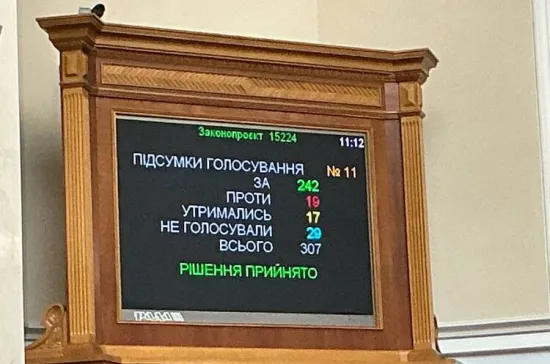
The Verkhovna Rada has passed Bill No. 15224 at its second reading and in its entirety, thereby increasing this year’s state budget at the expense of a European loan that MPs ratified at the end of May.

10.06.2026
Parliament has approved the ‘OLX tax’: what will change for sellers
Economy

Parliament has approved the ‘OLX tax’: what will change for sellers

The Verkhovna Rada has passed Bill No. 15111-d on the taxation of income earned through digital platforms. This applies not only to OLX, but also to marketplaces, rental services, freelance platforms, transport services and other online platforms. The new rules are set to come into force no earlier than 1 January 2027.

10.06.2026
There are plans to reduce the tax on flat rentals: how much will landlords have to pay?
Economy

There are plans to reduce the tax on flat rentals: how much will landlords have to pay?

From 1 January 2027, the personal income tax on rental income from letting property to other individuals may be reduced for owners of flats and houses. According to MP Nina Yuzhanina, the rate is set to be reduced from 18% to 5%, but the 5% military levy will remain in place.

09.06.2026
Russian oligarch warns of the risk of 3 million job losses due to the artificial strengthening of the rouble
Economy

Russian oligarch warns of the risk of 3 million job losses due to the artificial strengthening of the rouble

Russian oligarch Oleg Deripaska has spoken out against the strengthening of the rouble, stating that the current exchange rate is already causing serious problems for the Russian economy

09.06.2026