

Economy
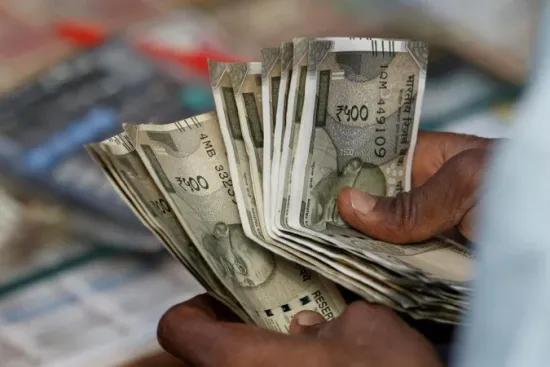
Russian oil money is 'stuck' in India – intelligence reports
Huge sums in Indian rupees have accumulated in the accounts of Russian companies in India as payment for oil. However, Moscow is unable to withdraw these billions due to the lack of a suitable mechanism.

Ukrainians took out microloans totalling 56.76 billion hryvnias over the course of a year: debt has risen sharply
In 2025, Ukrainians took out 8,608,041 microloans totalling 56.76 billion hryvnias. Although the number of such loans rose by just 3% over the year, the total debt owed to microfinance organisations increased by 7.7 billion hryvnias to reach 27.65 billion hryvnias.
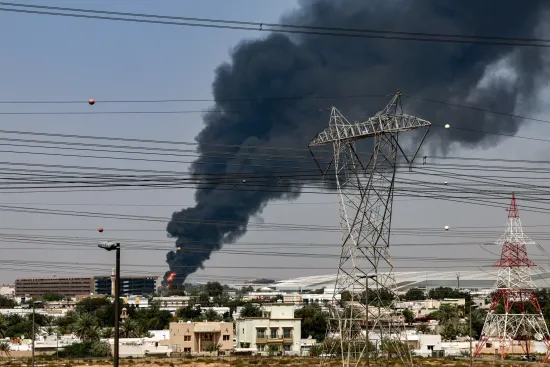
A war against Iran could cost Arab countries up to $194 billion in GDP
A military campaign by the US and Israel against Iran could result in significant economic losses for countries in the Middle East. A new UN study highlights the risk of a loss of up to $194 billion in gross domestic product across the Arab region.
The Cabinet of Ministers has approved the construction of a nuclear fuel production facility for nuclear power stations
The Cabinet of Ministers has approved the siting, design and construction of a nuclear facility for the production of fuel assemblies for nuclear power stations within the territory of the Pivdennoukrainsk municipal community in Mykolaiv Oblast. The project is to be implemented by Energoatom, and the facility itself is seen as a step towards reducing Ukraine’s dependence on external supplies of nuclear fuel.

Thousands of flights have been cancelled due to a sharp rise in the cost of aviation fuel
Airlines around the world are cancelling flights en masse due to a sharp rise in jet fuel prices against the backdrop of the war in Iran. Fuel prices have more than doubled, and the market faces the risk of a shortage.
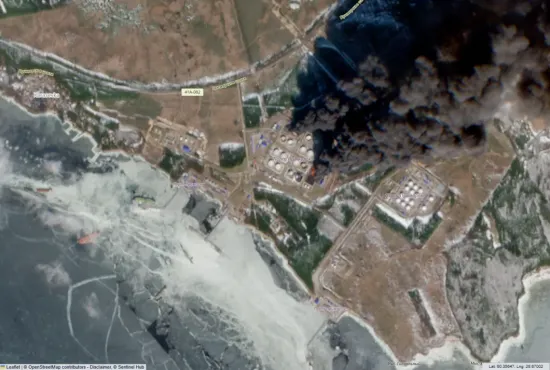
Russia has lost $1 billion as a result of Ukraine’s strikes on ports in the Baltic
Drone strikes on key Russian ports have reduced oil exports to their lowest level in over a year. Shipments from the Baltic have fallen to their lowest level since Russia’s invasion of Ukraine in 2022.
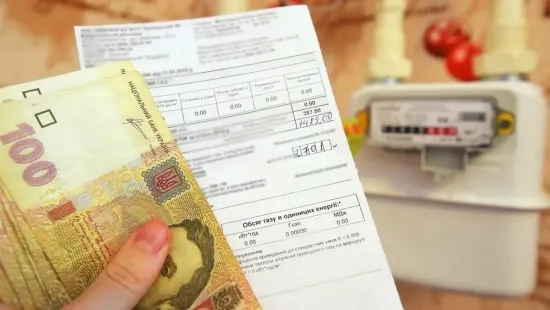
Gas bills in April may rise for reasons other than the tariff: who will be affected
In April, some Ukrainians may see higher amounts on their gas bills, but this is not due to a price change. Primary sources indicate that the annual tariff for domestic consumers remains fixed until 30 April 2026, and the higher charges are likely due to billing based on estimated consumption and subsequent adjustments following a reconciliation of actual data.
The EU is preparing for a protracted energy crisis: Brussels is advising people to drive less and work from home
The European Union is preparing for prolonged disruptions in the energy market due to the conflict surrounding Iran and is already discussing measures similar to the crisis-response measures of 2022. Brussels acknowledges that even if peace is quickly restored, the consequences for the fuel market will not disappear, and among the recommendations for countries to consider are remote working, fewer car journeys, lower speed limits on roads and greater use of public transport.
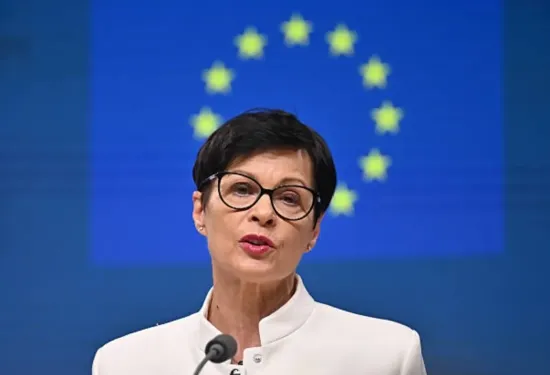
The EU is calling on Ukraine to pass 11 laws to unlock €4 billion
Marta Kos, the European Commissioner for Enlargement, has called on the Verkhovna Rada to adopt 11 draft laws as soon as possible, as these are essential for unlocking up to €4 billion for Ukraine under the Ukraine Facility programme. A Ukrainian translation of her letter was published by MP Yaroslav Zheleznyak.

A specialised agricultural processing cluster is to be established in the Vinnytsia region
The 56-hectare project is being developed as an Agroprocessing Hub, focusing on the deep processing of cereals and pulses, and the production of food ingredients and plant-based proteins.

Ukrainian farmers are optimising their fertiliser costs due to the sharp rise in prices
The spring sowing campaign is currently underway in Ukraine, with the significant rise in the price of mineral fertilisers being its main feature.

Netflix co-founder Reed Hastings is investing in the Ukrainian defence industry
Netflix co-founder Reed Hastings has joined the UA1 investment fund, which will invest in Ukraine’s defence industry. The fund plans to close its first funding round at $50 million by the end of April.

