A war against Iran could cost Arab countries up to $194 billion in GDP

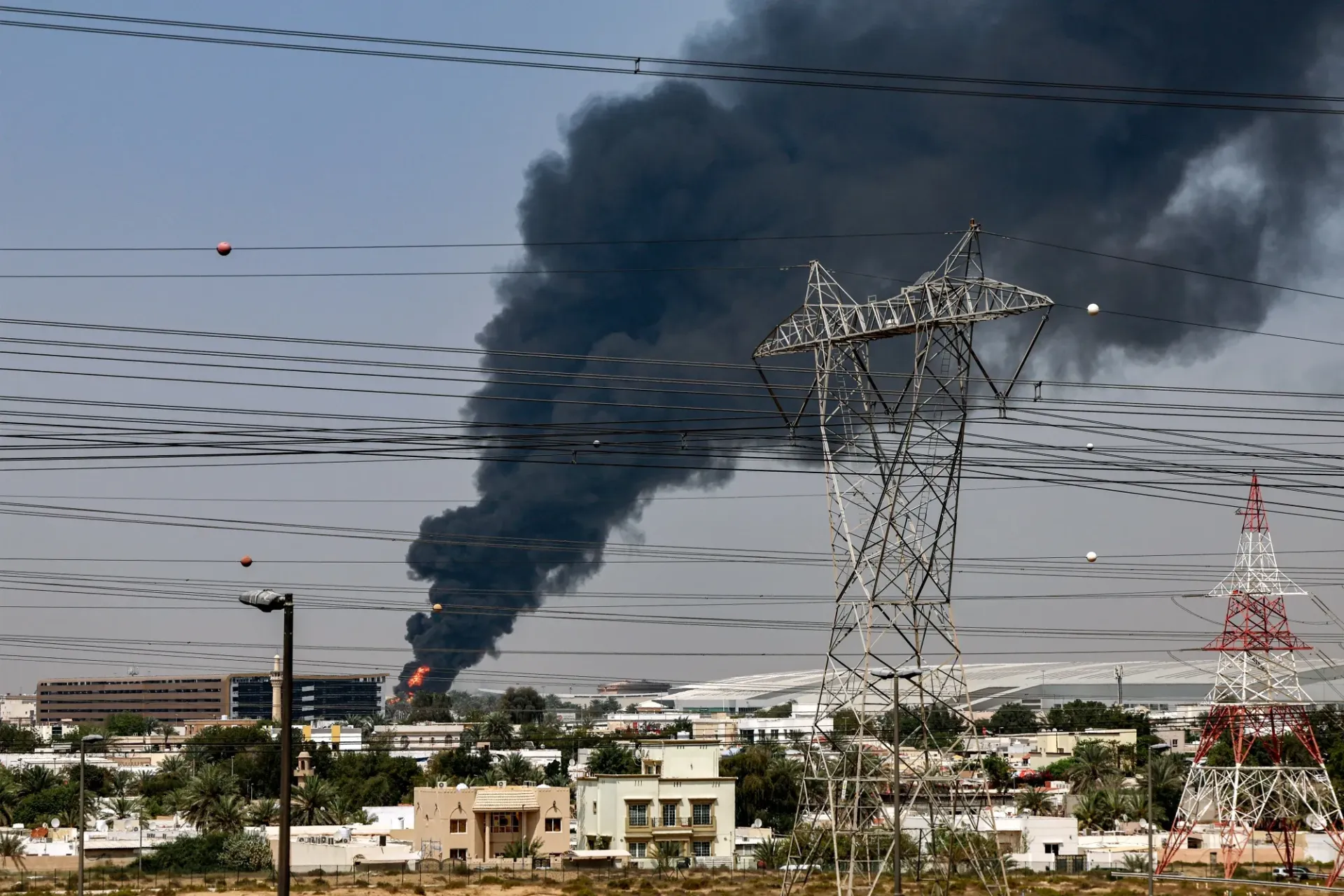
A war between the US and Israel against Iran could cost Arab countries between $120 billion and $194 billion in gross domestic product. This is according to an analysis by the United Nations Development Programme on the economic and social consequences of the conflict for Arab states, reports Bloomberg.
The report notes that the study covered several scenarios for how events might unfold following the outbreak of war on 28 February. The authors of the document emphasise that the consequences could be profound even in the event of a relatively swift end to hostilities. The text states that even a short-term military escalation in the Middle East could have far-reaching socio-economic consequences for the Arab states region.
According to UN estimates, the overall losses could lead to a four-percentage-point rise in unemployment in the region, the loss of around 3.6 million jobs, and an increase of a further four million people falling below the poverty line.
UN Assistant Secretary-General Abdallah al-Dardari, who heads the UN Development Programme’s office for Arab states, stated that this crisis is a warning sign for countries in the region.
According to the authors’ estimates, the countries of the Gulf Cooperation Council and the Levant will suffer the greatest losses. A GDP contraction of more than 5.2 per cent is forecast for each of these regions.
Qatar, Kuwait, Saudi Arabia and the United Arab Emirates are suffering due to the de facto closure of the Strait of Hormuz, which is hindering the export of a significant portion of oil and natural gas.
Goldman Sachs Group Inc. estimates that Qatar and Kuwait could face a 14 per cent contraction in GDP as early as this year if the conflict continues until the end of April. The report notes that this would be the worst economic downturn for these two countries since the early 1990s, when Iraq’s invasion of Kuwait triggered the Gulf War.
Saudi Arabia and the United Arab Emirates are estimated to be in a slightly better position, as they can redirect some of their oil flows away from the Strait of Hormuz. Even so, Saudi Arabia’s GDP could still fall by around 3 per cent, and that of the United Arab Emirates by 5 per cent. The report describes this as the biggest economic blow to these countries since the Covid-19 pandemic in 2020.
The conflict, now in its second month, has caused a sharp rise in global energy prices and heightened concerns about the state of the global economy. A previous UN report showed that the effective closure of the Strait of Hormuz is driving up food and fertiliser prices, which could hit poorer countries particularly hard.
Fitch Ratings reported that since the start of the war, spreads on dollar-denominated sukuk and conventional bonds issued by Gulf countries have widened to five-year highs, reflecting a deterioration in risk sentiment among global investors.
The yield to maturity of the S&P MENA Sukuk Index rose by 69 basis points in the month to 27 March, reaching 5.15 per cent. A similar index for conventional bonds rose by 64 basis points to 5.37 per cent.
This volatility exceeds levels seen following the announcement of US tariffs in April 2025 and the strikes on Iran in June 2025, but remains below pandemic-era levels.
The Gulf states, which are major debt issuers among emerging markets, are actively raising loans to finance projects aimed at reducing their dependence on oil. The region’s total outstanding sovereign debt reached $1.2 trillion in March, 14 per cent higher than a year ago. The volume of syndicated loans rose by 12 per cent to $450.5 billion.
A separate analysis by the United Nations Development Programme, also released on Tuesday, showed that the war would cause a sharp economic contraction in Iran itself. Under this scenario, the country’s GDP could fall by 10.4 per cent, and over 3.5 million people could fall below the poverty line.