A new approach will be taken to monitoring the shadow economy in Ukraine

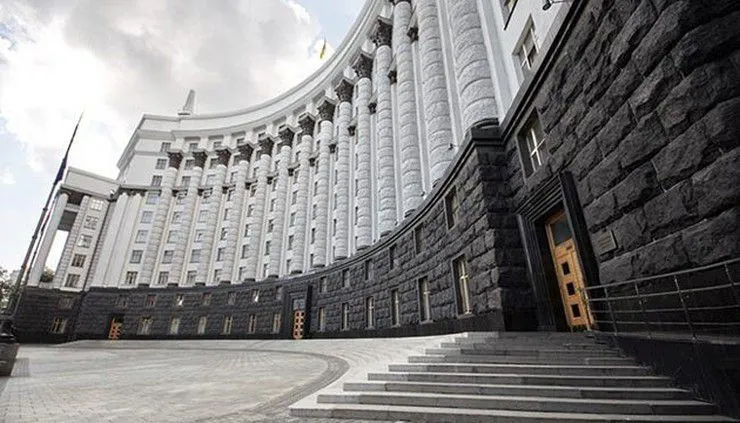
This is set out in Cabinet of Ministers Resolution No. 733 of 5 June 2026 “On the Establishment of an Interdepartmental Working Group on the Decriminalisation of the Economy”, the text of which has been published on the LigaZakon database.
The Cabinet of Ministers has established an Interdepartmental Working Group on the De-shadowing of the Economy. Its task will be to coordinate the actions of government bodies in preparing decisions designed to reduce the share of shadow transactions in various sectors of the economy.
The group was established by Resolution No. 733 of 5 June 2026. The document approves its composition and operating regulations.
What will be checked under the new approach
The working group is to examine the extent of the shadow economy not in general terms, but broken down by specific types of activity.
This means that the government plans to analyse shadow economy processes by sector, market and type of transaction. This approach should help identify areas where the risks of tax evasion, smuggling, illegal employment or the illicit trade in goods are greatest.
The group is also tasked with identifying the factors hindering the formalisation of the economy and submitting recommendations to the Cabinet of Ministers regarding further decisions.
Who is on the group
The Prime Minister of Ukraine and the Minister of Finance have been appointed as co-chairs of the inter-ministerial group.
The group comprises representatives from the Ministry of Economy, the Ministry of Justice, the Ministry of Social Policy, the Ministry of Digital Transformation and other government bodies.
Representatives of law enforcement and regulatory bodies are also involved in the work. These include the Economic Security Bureau, the Security Service of Ukraine, the National Police, the State Border Guard Service, the State Tax Service, the State Customs Service, the State Financial Monitoring Service and the State Labour Service.
The parliamentary wing of the group is represented by the heads of the Verkhovna Rada’s relevant committees on finance and the budget.
What powers will the group have?
The group will coordinate the drafting of regulatory and legislative acts in the field of de-shadowing the economy. In effect, it is within this framework that proposals for new tax, customs and other regulations are to be developed.
It will be able to obtain information from central and local executive authorities, local self-government bodies, enterprises, institutions and organisations, regardless of their form of ownership.
Independent experts, academics, representatives of business associations and civil society organisations may also be involved in the work.
How the mechanism will work
The group’s main form of work will be meetings. These may take place in person or remotely.
Decisions will be taken by a simple majority of votes. Permanent or temporary sub-groups may be set up for specific areas of work.
Such sub-groups will be able to address specific issues, including the fight against illegal employment, smuggling, tax evasion, the illicit trade in excise goods and other manifestations of the shadow economy.
The Ministry of Finance is responsible for the organisational support of the group’s work. It is the Ministry of Finance that is to coordinate the preparation of materials for meetings and monitor the implementation of decisions taken.
What are the risks
Despite the stated aim of combating the shadow economy, the new mechanism may carry the risk of overlapping responsibilities.
Some of the tasks assigned to the group already fall within the remit of the Security Service of Ukraine (SBU), the State Tax Service (STS), customs and other bodies. Therefore, the effectiveness of the new format will depend on whether the group becomes a genuine coordination platform rather than an additional bureaucratic layer.
Furthermore, the regulation does not specify concrete quantitative indicators against which the group’s performance will be assessed. Consequently, the preparation of recommendations may not always lead to the swift adoption of practical decisions.
At the same time, the resolution itself does not automatically introduce new checks for businesses. It concerns the creation of a coordinating body tasked with preparing proposals for the Cabinet of Ministers.
Follow us on Telegram