Russia's economy supports the war, but may collapse in 2026

Russia's economy has so far allowed the Kremlin to finance its war against Ukraine, but its margin of safety is rapidly running out and a serious breakdown is possible in 2026. This is according to Western economists and officials interviewed by The Washington Post.
According to their estimates, Moscow has almost exhausted its financial reserves and debt financing options, which ensured a sharp increase in military spending. The situation is exacerbated by new US sanctions against the oil sector and falling prices for Russian oil. Urals crude oil is selling for around $35 per barrel, while the 2025 budget was calculated on the basis of a price of $69.
According to Reuters, oil and gas revenues fell 49 per cent year-on-year in December. At the same time, Russia's military spending in the first three quarters of the year reached a record $149 billion. This sharply increases the budget deficit.
Economists also warn of risks to the banking system. Corporate lending surged in the early years of the war, and a prolonged period of high interest rates exceeding 20 per cent undermined business solvency. Around a quarter of all corporate loans in roubles go to the defence sector, creating an opaque pool of bad debts.
Citizens are already experiencing problems. According to the state-owned Sberbank, consumer spending in December fell by 8-9 per cent in the clothing and household goods segments. Unpaid wages in October almost tripled to more than $27 million, and the number of complaints exceeded 26,000.
Nevertheless, most Russian elites do not expect social protests. At the same time, experts recognise that 2026 could be the first truly crisis year of the war for the Putin regime.
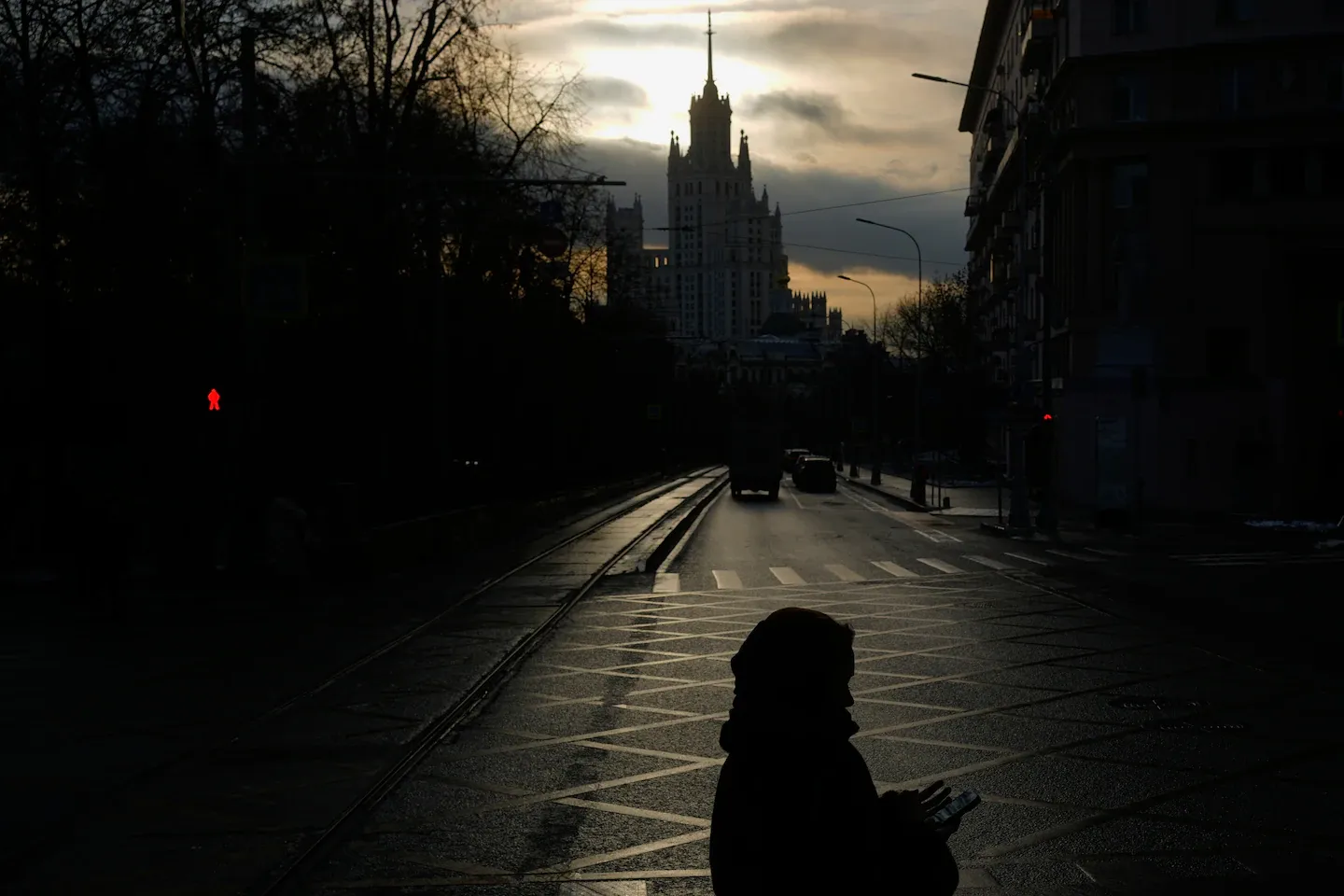
Photo: A woman checks her phone while crossing Yauzsky Boulevard in Moscow on Dec. 15. The Stalin-era Kotelnicheskaya Embankment Building is seen in the background. (Pavel Bednyakov/AP)