Elon Musk became the world's first trillionaire following SpaceX's IPO

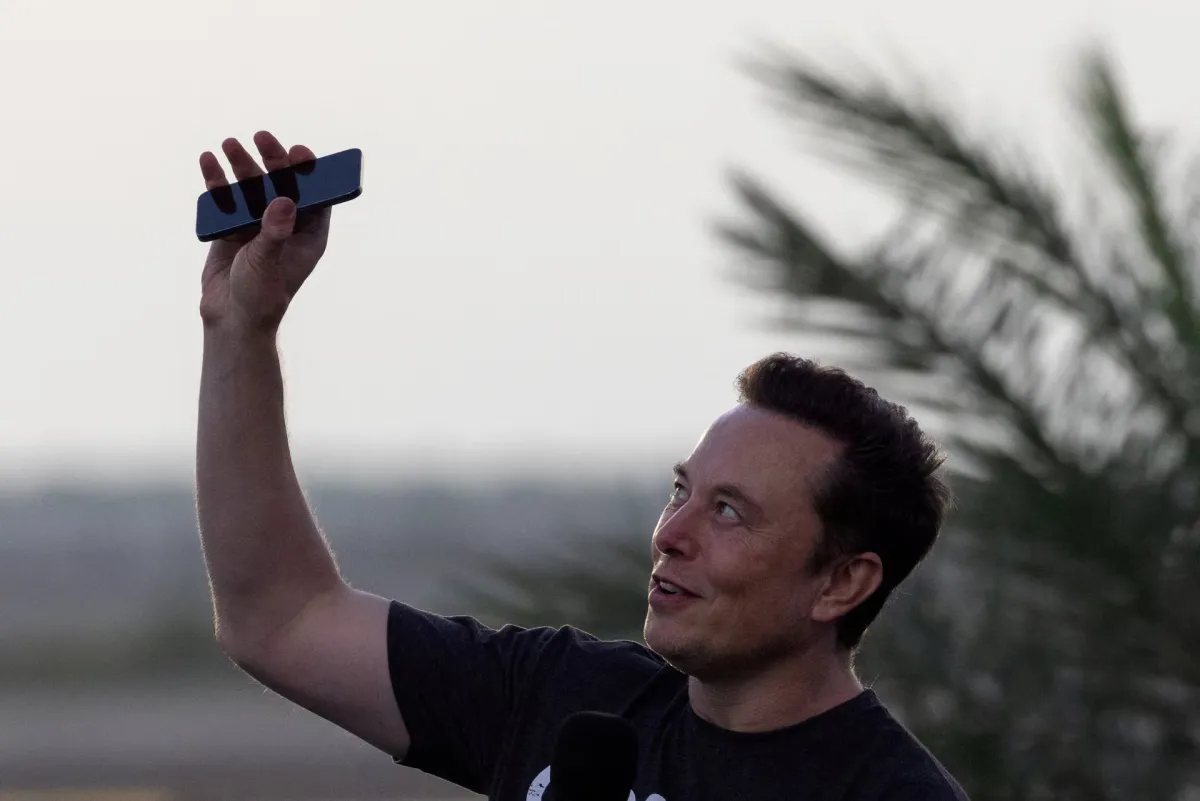
Elon Musk became the world’s first trillionaire after SpaceX raised a record $75 billion in its initial public offering. The event highlighted investors’ keen interest in the entrepreneur’s business ventures, according to Reuters.
Prior to the share sale, Forbes estimated Musk’s fortune at approximately $780 billion. Following the IPO, according to Forbes estimates and Reuters calculations based on corporate filings, his net worth exceeded $1.1 trillion.
The bulk of Musk’s wealth is tied to SpaceX, where the value of his stake is estimated at approximately $866 billion. Combined with his holdings in Tesla and other companies, this has enabled the businessman to become the richest person in the world, far ahead of other billionaires.
Matt Duro, deputy editor of Forbes Wealth, noted that the world’s second-richest person has a fortune of around $300 billion. According to him, only Oracle co-founder Larry Ellison has previously reached the $400 billion mark.
Musk gained widespread fame thanks to Tesla and SpaceX, and in 2022 he strengthened his influence after acquiring the social media platform Twitter for $44 billion. This gave him direct access to hundreds of millions of users and made him a prominent figure in discussions on politics, immigration, public spending and freedom of speech.
One of the most controversial aspects of his activities has been his involvement in US political processes. In particular, last year he worked in the Office of Management and Budget under President Donald Trump’s administration. Against this backdrop, in 2025 Tesla faced a decline in sales in a number of international markets due to protests and consumer boycotts.
Elon Musk was born in Pretoria, South Africa. He studied at the University of Pennsylvania and graduated in 1997. In 2008, Musk took the helm at Tesla, promoting the idea of combining electric vehicles with modern software technologies. Some automotive industry analysts believe that Tesla’s success has accelerated the transition of traditional car manufacturers to electric transport.
In addition to Tesla and SpaceX, Musk has co-founded five other companies, including The Boring Company and Neuralink. His influence on the business environment has become so extensive that some analysts refer to the ecosystem of companies that has formed around him as ‘Muskonomy’.
Some investors also speak of the so-called “Elon Musk premium”, where a company’s market valuation is determined not only by financial metrics but also by confidence in the entrepreneur’s vision. Matt Kennedy, a senior strategist at Renaissance Capital, noted that SpaceX, like Tesla, remains largely a bet on Elon Musk himself.
At the same time, the concentration of such influence around a single individual raises questions regarding corporate governance, potential conflicts of interest and the risks of companies becoming overly dependent on a single leader. Despite this, many investors continue to regard Musk’s ability to turn ambitious ideas into some of the world’s most valuable companies as his key strength.
JPMorgan Chase CEO Jamie Dimon said during a recent conversation with Musk: “Elon is the Edison of our time.” The banker, who was previously involved in a long-running legal dispute with the businessman, has recently spoken positively about his activities on several occasions.