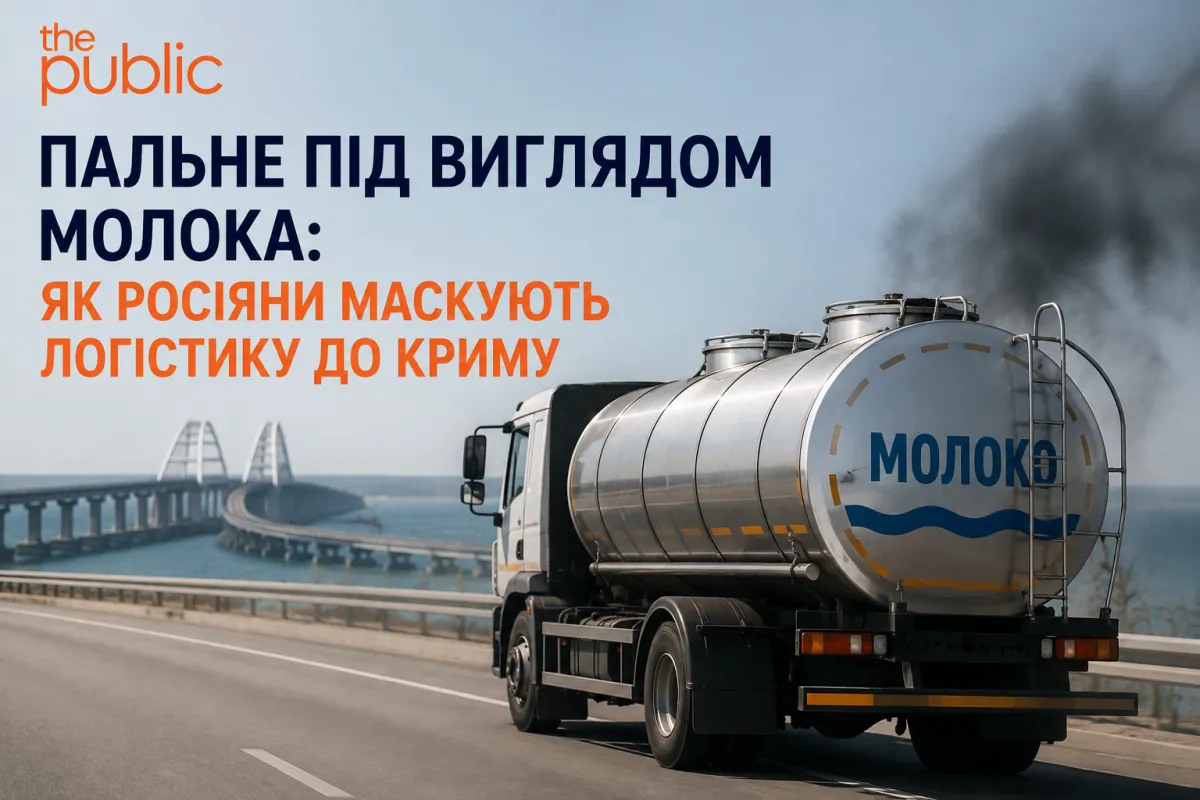
Fuel disguised as milk: how the Russians are concealing their logistics operations to Crimea

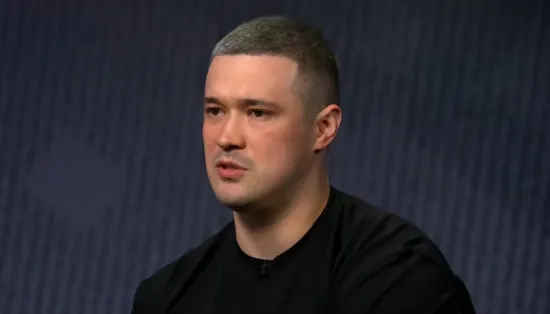
Dmytro Pletenchuk, a spokesperson for the Ukrainian Navy, made this statement during a televised marathon, according to ThePublic.
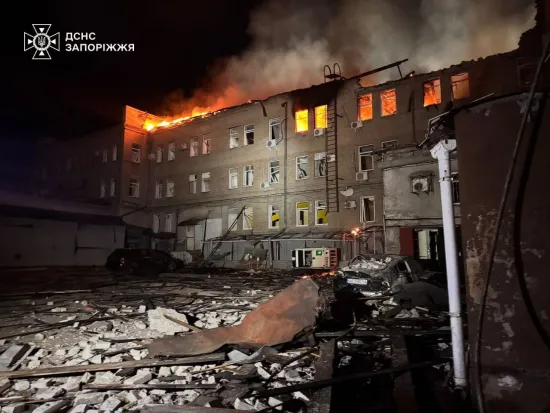
Russian troops are forced to camouflage fuel transport vehicles due to systematic strikes by the Ukrainian Defence Forces on logistics along the land corridor to the temporarily occupied Crimea.
According to Dmytro Pletenchuk, spokesperson for the Ukrainian Navy, the Ukrainian military is managing to systematically disrupt the occupiers’ logistics on the road to Crimea. This is precisely why the Russians have begun to seek unconventional ways of concealing military transport.
How the Russians are camouflaging fuel tankers
Pletenchuk stated that the occupiers are constructing superstructures on top of fuel tankers to disguise them as civilian vehicles.
According to him, there is information that the Russians have started using food transport vehicles, in particular milk tankers, to transport fuel.
Such camouflage, according to the Navy spokesperson, is a consequence of strikes on enemy equipment and logistics routes leading to the occupied peninsula.
Why the occupiers are not using the Crimean Bridge
Pletenchuk also noted that the Russians are not using the Crimean Bridge to transport fuel tankers.
According to him, ferry crossings are also unsuitable for such transport due to damage inflicted by the Ukrainian Defence Forces. As a result, the occupiers are forced to rely on land routes through the temporarily occupied territories of the Kherson and Zaporizhzhia regions.
Do the occupiers have fuel in Crimea
Despite logistical problems, Pletenchuk emphasised that the Russian military in Crimea currently has enough fuel to carry out military operations.
He explained that the occupiers have an extensive military infrastructure and certain reserves. At the same time, according to the Navy spokesperson, this is a “long game”, and the consequences of the strikes on logistics may become apparent gradually.
How this might affect enemy activity
Pletenchuk suggested that, over time, a reduction in the activity of Russian troops directly in the temporarily occupied Crimea may be observed.
At the same time, he noted that it is currently unknown exactly how this might manifest itself. It could involve either a change in the intensity of military vehicle movements or difficulties with certain types of supplies.
The fuel crisis in Crimea
It was previously reported that the command of the Russian ‘Dnipro’ military group had ordered the mass use of confiscated vehicles to transport fuel along the motorway in order to mitigate the effects of the fuel crisis in Crimea.
Such actions by the Russians constitute the use of civilian infrastructure for military purposes and the camouflaging of military logistics. This creates additional risks for the civilian population in the occupied territories.
The commander of the Ukrainian Armed Forces’ Unmanned Systems Forces, Robert “Madyar” Brovdi, had previously spoken of the possibility of further isolating the temporarily occupied Crimea from Russia. He said that strikes on the road along the Sea of Azov had already forced the occupiers to significantly reduce traffic.
Follow us on Telegram
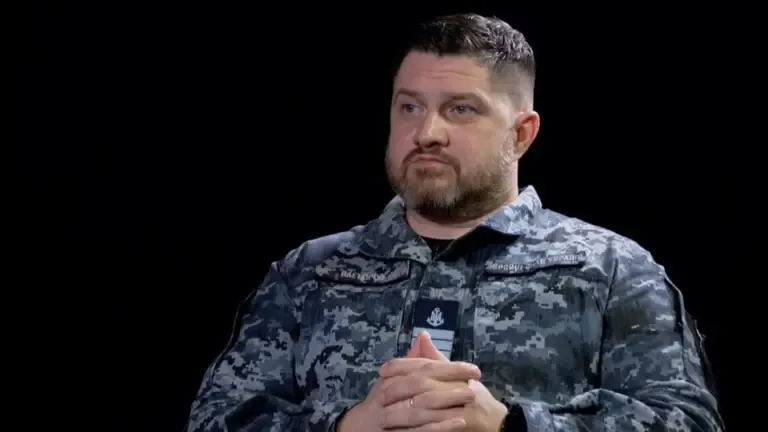
Dmytro Viktorovych Pletenchuk is a Ukrainian military officer, a Lieutenant Commander, and has served as the spokesperson for the Ukrainian Navy since May 2023.
From 22 April to 5 June 2024, he headed the press centre of the Defence Forces of Southern Ukraine.
Pletenchuk regularly comments on the situation in the Black and Azov Seas, the activities of the Russian fleet, the occupiers’ military logistics in the southern sector, the situation in the temporarily occupied Crimea, and the consequences of strikes by the Ukrainian Defence Forces on Russian military targets.