Iran has attacked energy facilities in the Gulf

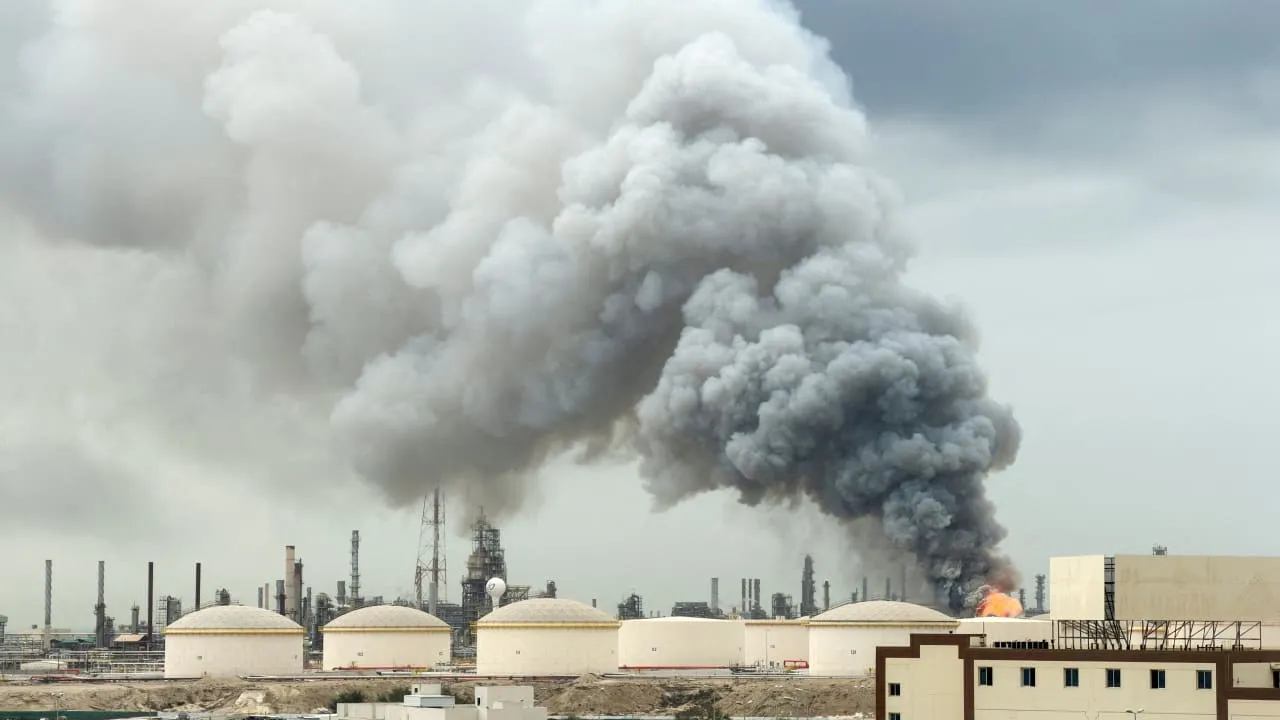
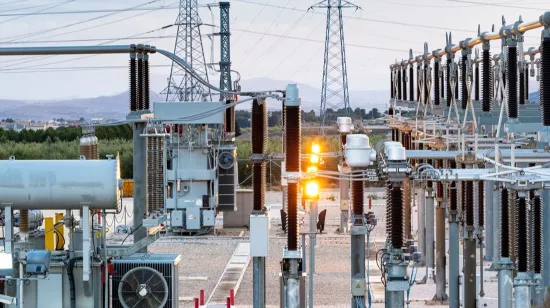
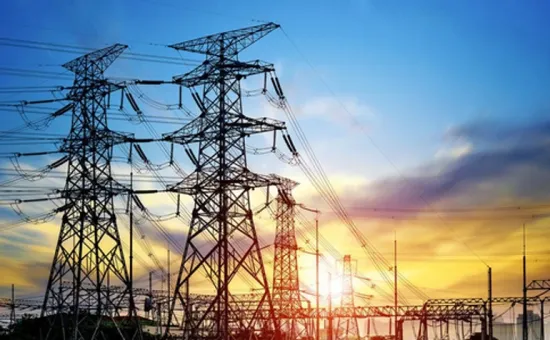
Iranian air strikes, which have been ongoing since Wednesday, have caused extensive damage to the world’s largest gas complex in Qatar and have also hit energy facilities in other Gulf countries, reports The Jerusalem Post.
QatarEnergy stated that the missile strikes on Ras Laffan caused significant destruction. Fires that broke out following the attacks were brought under control by Thursday morning, with no casualties reported. The complex is located 80 kilometres north of Doha and is a key centre for LNG production. International companies operate there, including Shell, which has announced an assessment of the impact on its assets.
The company also noted that the gas-to-liquids facility in Perla had sustained significant damage. Shell confirmed that the fire at this site had been extinguished and that it was in a safe condition; damage assessment is ongoing.
In the United Arab Emirates, incidents were reported at the Habshan gas facilities and the Bab oil field due to debris from intercepted missiles. Gas operations have been halted; there are no casualties.
In Saudi Arabia, the Ministry of Defence stated that a drone had crashed into the SAMREF oil refinery in the port of Yanbu. A ballistic missile targeting the city, which is a key oil export hub following restrictions on shipping through the Strait of Hormuz, was also intercepted. According to an industry source, the impact of the attack was minimal.
In Kuwait, the Kuwait Petroleum Corporation reported drone attacks on the Mina al-Ahmadi and Mina Abdullah oil refineries. The strikes caused fires; emergency services are on site, and there are no casualties. Some production facilities have been shut down as a precautionary measure.
The attacks took place following a warning from Iran’s Islamic Revolutionary Guard Corps to evacuate energy facilities in Saudi Arabia, the UAE and Qatar. This occurred against the backdrop of strikes on Iranian facilities in South Pars and Asaluyeh.
Saudi Arabia also reported the interception of four ballistic missiles heading towards Riyadh. Meanwhile, the UAE halted operations at the Habshan gas complex following the interception of a drone.
The UK Maritime Trade Operations (UKMTO) reported that a projectile had struck a vessel near Ras Laffan.
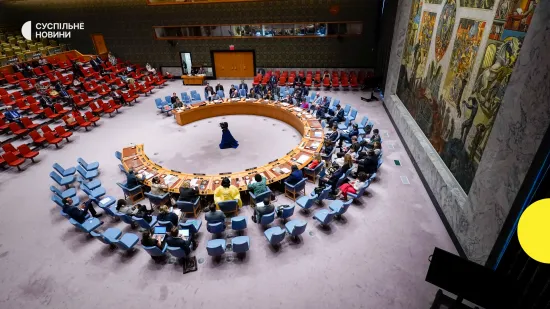
Following these events, the Gulf States appealed to the UN Human Rights Council to hold an urgent debate. A diplomatic note states that missile and drone strikes on Bahrain, Jordan, Kuwait, Amman, Qatar, Saudi Arabia and the UAE pose a serious threat to international security.
The draft resolution submitted by the countries of the region condemns attacks on civilian infrastructure and commercial vessels in the Strait of Hormuz, and demands an immediate cessation of such strikes and compensation for the damage caused.
US President Donald Trump stated that Israel had agreed, at his request, to cease strikes on Iran’s energy facilities. Israeli Prime Minister Benjamin Netanyahu confirmed his readiness to suspend attacks on Iranian gas fields.
The closure of the Strait of Hormuz and strikes on energy infrastructure in the region have already led to a rise in energy prices and heightened global inflation fears.