Egypt is imposing electricity restrictions due to an energy crisis amid the conflict surrounding Iran

Bloomberg reports that
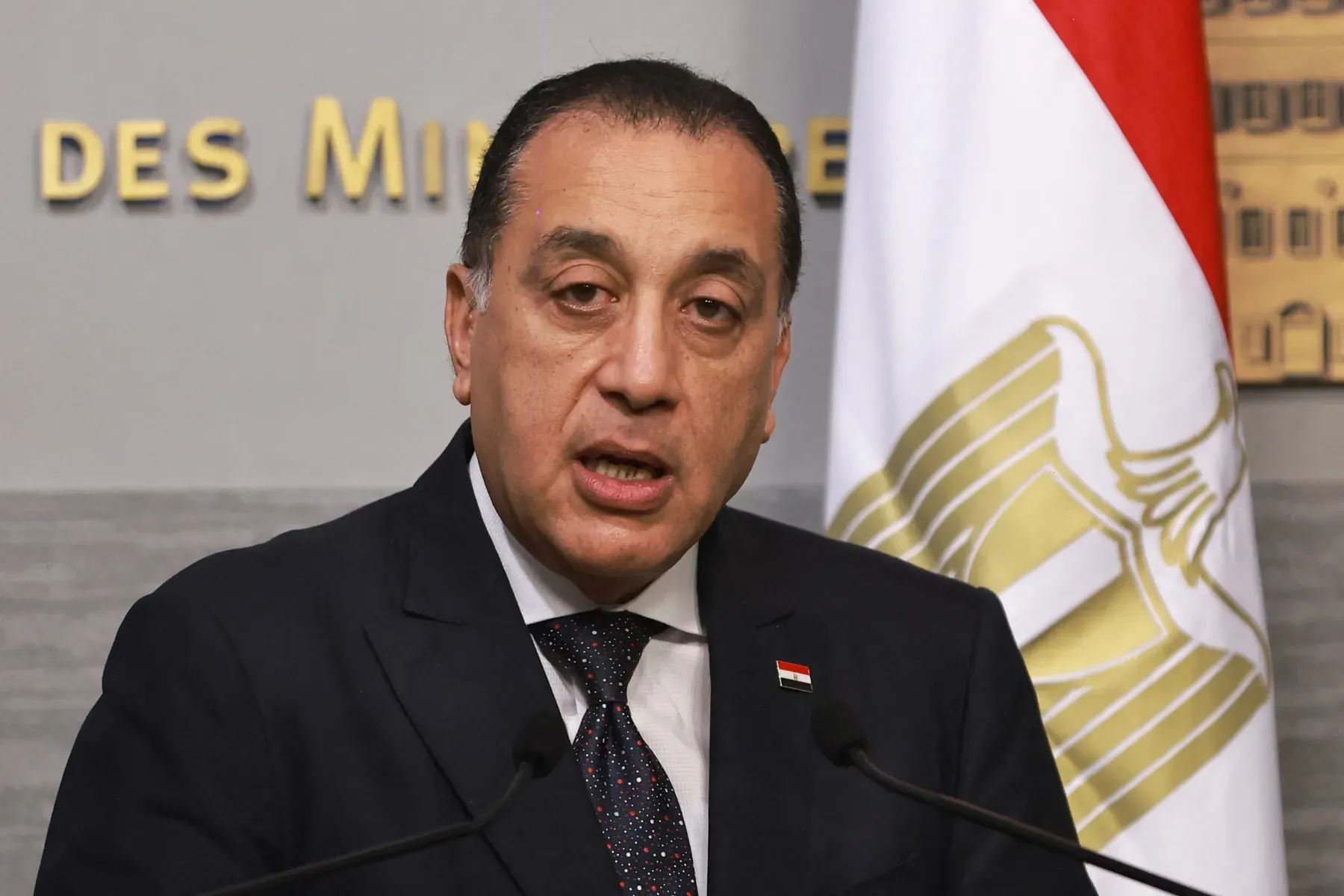
the Egyptian government has decided to restrict electricity consumption following a sharp rise in energy costs. Prime Minister Mostafa Madbouly stated that the new rules will come into effect on 28 March and are initially set to last for one month, after which the authorities will review the situation.
Under the announced plan, shopping centres, shops, restaurants and cafés must close at 21:00 on weekdays. At weekends or on week-ends, they will be allowed to remain open until 22:00. For a country with a population of over 100 million people and a traditionally lively evening scene, this represents a significant restriction on the usual routine.
In addition to the early closure of establishments, the authorities will switch off the lighting on advertising hoardings and reduce street lighting to the minimum safe level. Government offices will also switch to a reduced working day ending at 18:00. Separately, the government is considering the possibility of remote working one or two days a week in both the public and private sectors.
Madbouly described these measures as necessary. According to him, before the escalation in the Middle East, Egypt was spending around $560 million a month on gas imports, whereas it now pays $1.65 billion for the same volume. Reuters also reports that following the start of the US and Israeli war against Iran, oil prices rose from $69 to $108.50 per barrel, whilst Egypt’s expenditure on energy imports more than doubled.
Against this backdrop, the government is trying to avoid an even greater blow to the budget, which is already under strain due to debt burdens and inflationary pressures. According to estimates by the Institute of International Finance, rising oil prices could add costs to Egypt amounting to up to 0.55% of GDP.
The authorities directly cite instability in the energy market due to the military escalation surrounding Iran as the reason for the new wave of austerity. Bloomberg links Cairo’s decision to rising fuel prices, whilst Reuters adds that one of the main factors was the tension surrounding the Strait of Hormuz and supply disruptions in the region.
Despite isolated signals of a possible resumption of Iraqi oil exports, the market remains volatile. This is precisely why Cairo is not yet abandoning its austerity measures and cannot guarantee a swift return to normal levels of electricity consumption.