EU proposes total ban on maritime services for Russian oil
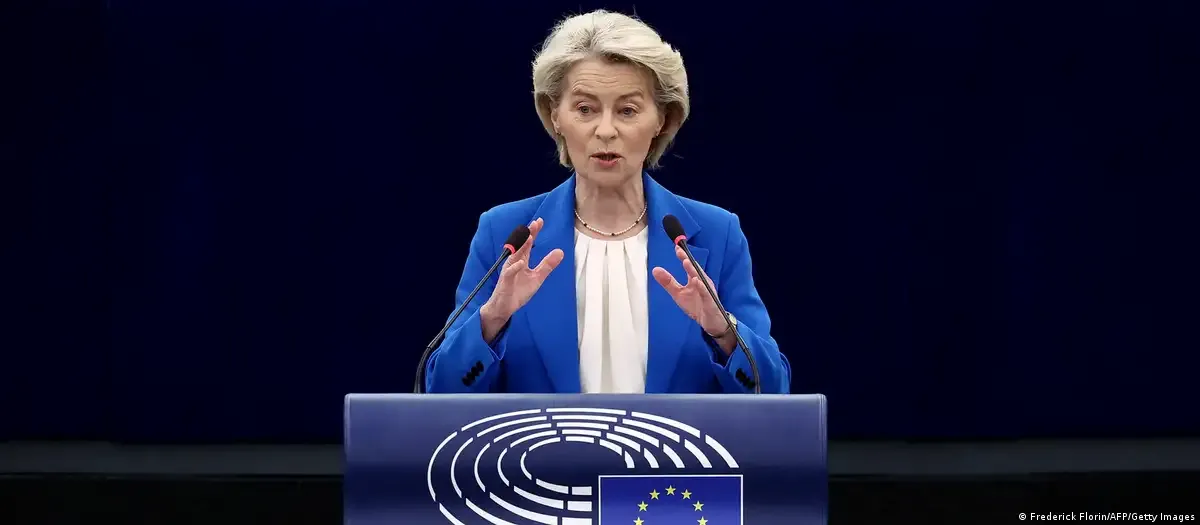
The European Commission has presented a proposal for a 20th package of sanctions against Russia. It is planned to be adopted by 24 February, the fourth anniversary of Russia's full-scale invasion of Ukraine. This was announced by European Commission President Ursula von der Leyen.
A key element of the new package is a complete ban on maritime services for all Russian oil exports. This includes insurance, brokerage and financial services for ships transporting oil, gas and coal from Russian ports. The ban is planned to be introduced in coordination with G7 partners, effectively replacing the current price cap on oil set at $47.60 per barrel.
As part of the sanctions, the EU also proposes to add another 43 vessels from Russia's so-called shadow fleet to the list, bringing their total number to 640. At the same time, the acquisition of new tankers is being made more difficult, and broad restrictions are being introduced on the maintenance of LNG tankers and icebreakers, which should reduce the potential of Russian gas export projects.
The second set of sanctions concerns the financial sector. The restrictions apply to 20 more Russian regional banks, as well as cryptocurrencies, companies and platforms used to circumvent sanctions. In addition, measures are proposed against banks in third countries that facilitate the illegal trade in sanctioned goods.
The third set of sanctions involves tightening trade restrictions. The EU plans to ban exports to Russia of goods and services ranging from rubber and tractors to cybersecurity services worth more than €360 million. New import restrictions are also being introduced on metals, chemical products and critical minerals with a total value of more than €570 million. Separately, a quota on ammonia imports and additional bans on the export of military materials and technologies, in particular for the production of explosives, are proposed.
For the first time, the European Commission is activating a special instrument to counter sanctions circumvention, prohibiting the export of computerised machine tools and radio stations to jurisdictions with a high risk of re-export to Russia. It also provides for enhanced legal safeguards for EU companies to protect them from intellectual property rights violations and unfair expropriation in Russia.
To enter into force, the 20th package of sanctions requires unanimous approval by all EU member states. Von der Leyen called on EU countries to make a decision as soon as possible, stressing that increased pressure is necessary to force Moscow into real peace talks.