Europe prepares for a new wave of refugees due to the war in the Middle East

This was reported by the Financial Times, citing a statement by Amy Pope, Director General of the International Organisation for Migration.
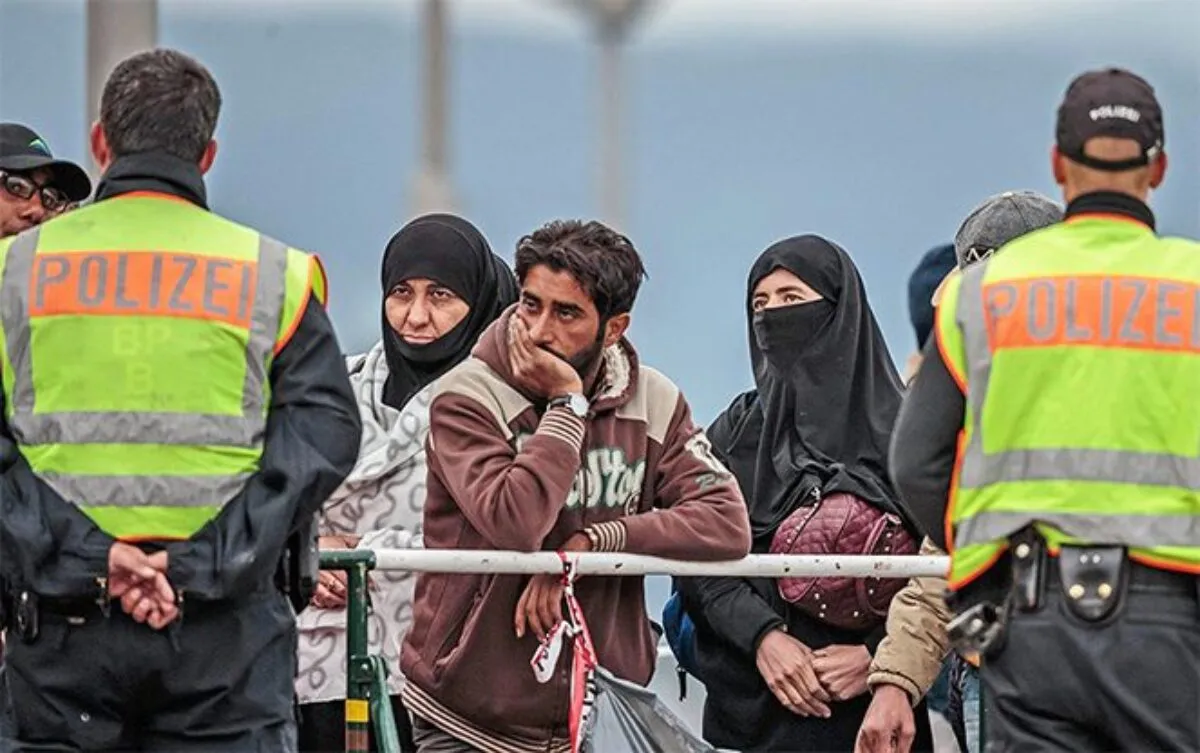
European countries have begun to prepare for a possible increase in the number of refugees due to the escalating situation in the Middle East.
Amy Pope, Director General of the International Organisation for Migration (IOM), said that the protracted fighting in the region could lead to large-scale population displacement.
According to her, the governments of the European Union are trying to act proactively, taking into account the lessons of the 2015-2016 migration crisis, as well as the experience of receiving more than 4 million Ukrainians after the start of full-scale war in 2022.
Particular attention is being paid to Cyprus, which, due to its proximity to Lebanon, is already seeing the first groups of migrants.
On 5 March, Cyprus' Deputy Minister of Migration, Nicholas Ioannides, stated that despite the current flows of people from the region, the EU's updated infrastructure and new mechanisms allow for a more effective response to crisis situations.
Among the possible scenarios being considered is the use of the model of the 2016 European Union agreement with Turkey.
This agreement provided financial support to countries that agree to accept refugees on their territory.
According to the IOM, the main population movements are currently taking place within Iran and Lebanon.
In particular, around 83,000 people have left their homes in Lebanon in recent days. Approximately 60,000 more people had already become internally displaced earlier.
The situation escalated after militants fired on Israel on 1 March, triggering a new wave of retaliatory strikes.
Amy Pope also expressed concern about the closure of borders to Iranians trying to leave the conflict zone. She highlighted the situation of foreign workers in the Persian Gulf countries,
who often lack adequate support and information in dangerous conditions, as a separate problem.