European countries outline contribution to peacekeeping efforts for Ukraine after the war

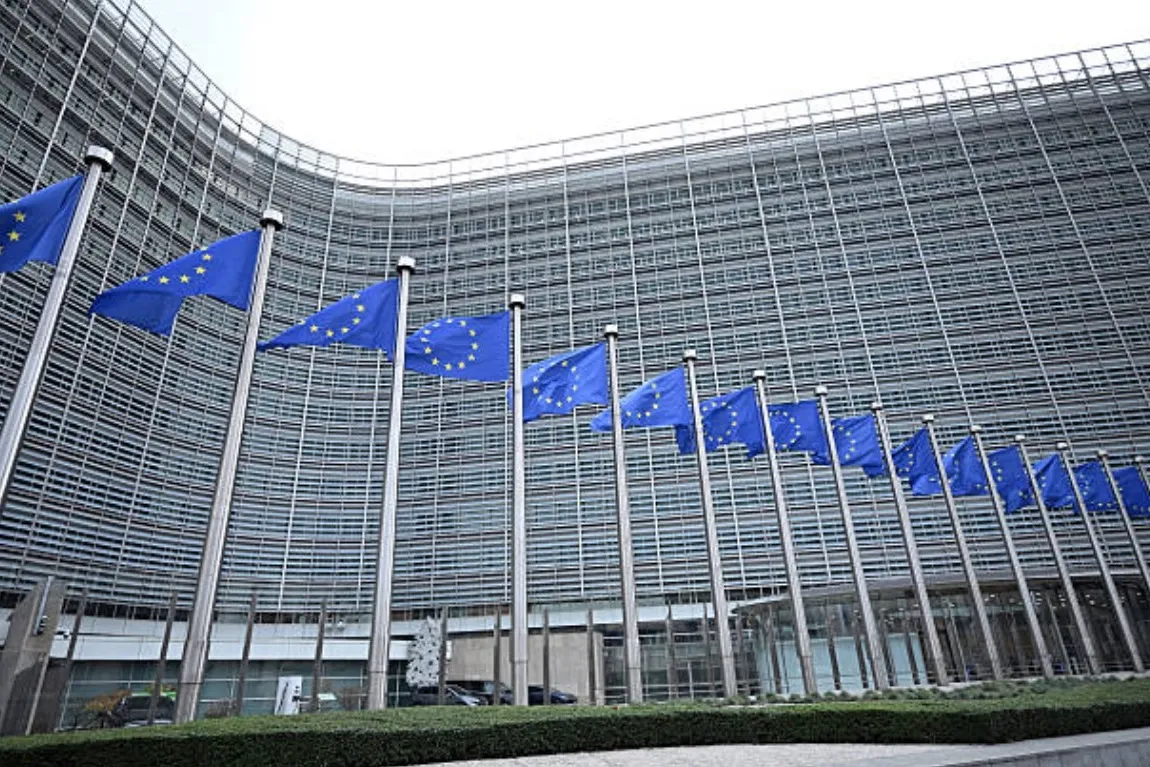
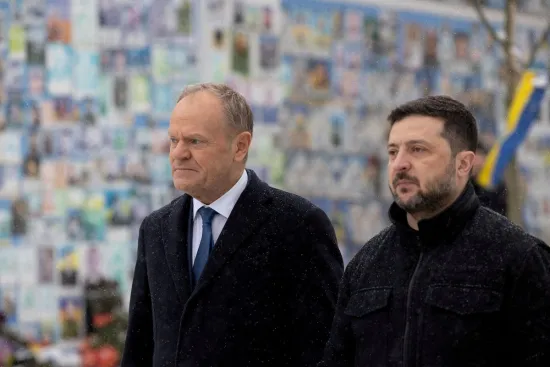
After the meeting of the Coalition of the Willing in Paris, a number of European states have made public their approaches to participating in ensuring peace in Ukraine after the end of hostilities. Belgian Prime Minister Bart De Wever said that his country is ready to take on a part of international peacekeeping efforts immediately after the war ends. According to him, Belgium's contribution will be focused on air and sea components, as well as military training. He emphasised that these measures must be based on reliable US support and US-led monitoring for effective deterrence and long-term stability.
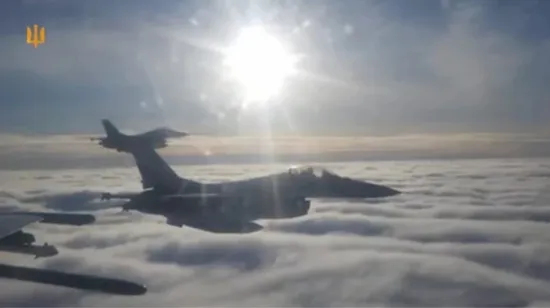
Sweden has also declared its readiness to join the security guarantees. Prime Minister Ulf Kristersson said that after the peace agreement is signed, his country could provide Gripen fighter jets for air surveillance over Ukraine, resources for mine clearance of the Black Sea and continue training the Ukrainian military. He stressed, however, that such steps are possible only after peace is achieved, with clear rules for the use of multinational forces and parliamentary approval.
Against this background, Czech Prime Minister Andrej Babiš took a more reserved stance. He said that Prague would not send its military to Ukraine, but was ready to support certain points of the joint declaration of the Coalition of the Willing, which relate to actions after the ceasefire. Babiš also recalled that the Czech Republic has accepted about 700,000 Ukrainian refugees, of which about 400,000 remain, which is about 6 per cent of the country's population.
In general, the participants of the meeting confirmed that further decisions on peacekeeping and security mechanisms for Ukraine will directly depend on the achievement of a ceasefire agreement and the active role of the United States.
Photo: Getty image