German Chancellor Friedrich Merz cautiously commented on strikes against Iran

German politicians discussed the situation in the Middle East after Israel and the US struck Iran. Representatives of the conservative wing of the government called for caution in assessing these actions.
Although Berlin had long assumed that US President Donald Trump might take action against the regime in Tehran, the events came as a surprise to German politicians as well as to international observers.
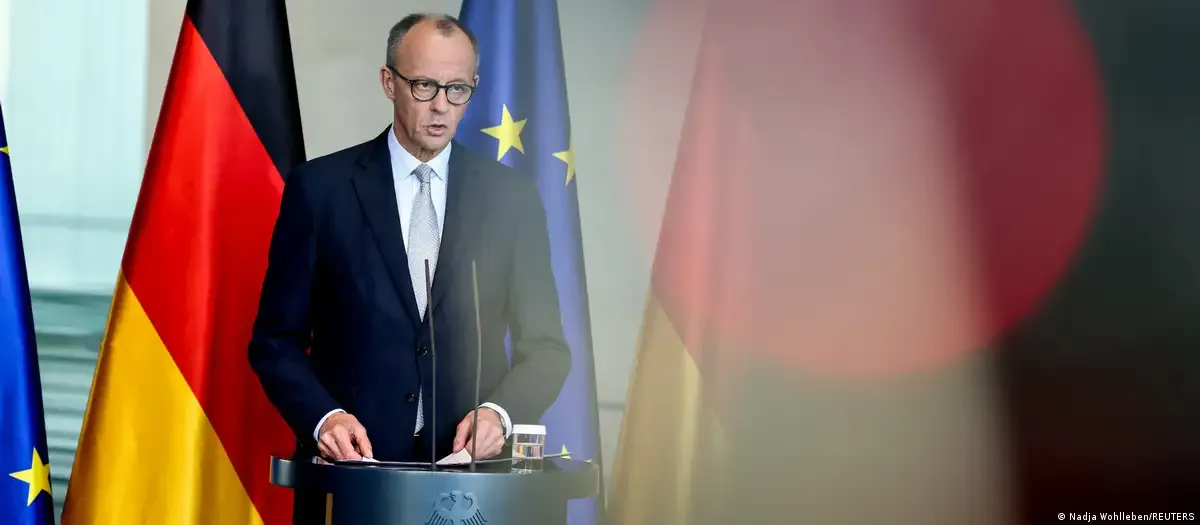
On Sunday, German Chancellor Friedrich Merz, who represents the Christian Democratic Union, made a brief statement to the press. His spokesman, Stefan Cornelius, said that Merz had been informed of the military action in advance and that he had spoken on the phone with Israeli Prime Minister Benjamin Netanyahu on Saturday.
Over the weekend, the chancellor met with ministers responsible for security. Afterwards, he stated that the mullahs' regime is a terrorist regime responsible for decades of oppression of the Iranian people. Merz noted that Iran threatens Israel's very existence and is responsible for the terrorist activities of groups such as Hamas and Hezbollah. "Together with the United States and Israel, we share the goal of ending the terror of these regimes," he said.
At the same time, the chancellor warned that air strikes carry significant risks. According to him, it is unclear whether they can bring about political change within the country through military action from outside.
Friedrich Merz also refused to give a legal assessment of the events from the point of view of international law. He said that now is not the time to lecture partners and allies, adding that despite its reservations, Germany shares many of their goals.
Foreign Minister Johann Wadephul also expressed doubts about the development of events. In several interviews, he emphasised that Germany does not seek regime change in Iran. Vadewulf noted that the Iranian regime is supplying Russia with drones for the war against Ukraine. At the same time, he added that he is not making a final assessment from the point of view of international law.