Lifecell has invested 16 billion hryvnias in its network and has almost doubled its tax payments

This is outlined in lifecell’s 2025 annual report.
For the reader, it is not just the corporate figures that matter in this story, but what lies behind them. Lifecell has highlighted three key points that directly affect subscribers and the state: more money invested in the network, higher communication costs during blackouts, and a greater contribution to the budget.
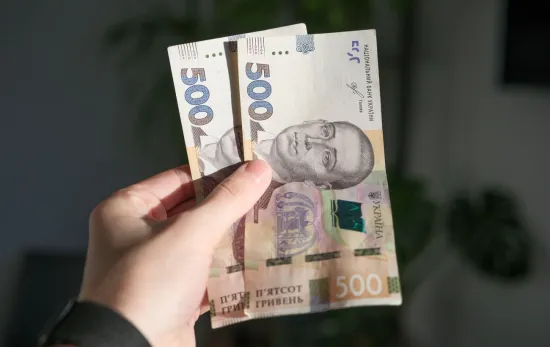
In 2025, the company paid 3.96 billion UAH in taxes. This is 95% more than in 2022, when the figure stood at 2.03 billion UAH. In total, between 2022 and 2025, the operator transferred over 11.6 billion UAH to the state budget.
At lifecell, this trend is attributed to the resilience of the business in a wartime economy. The company also emphasises that since joining the DVL Group, the operator has maintained its position as one of the largest taxpayers in the telecoms sector.
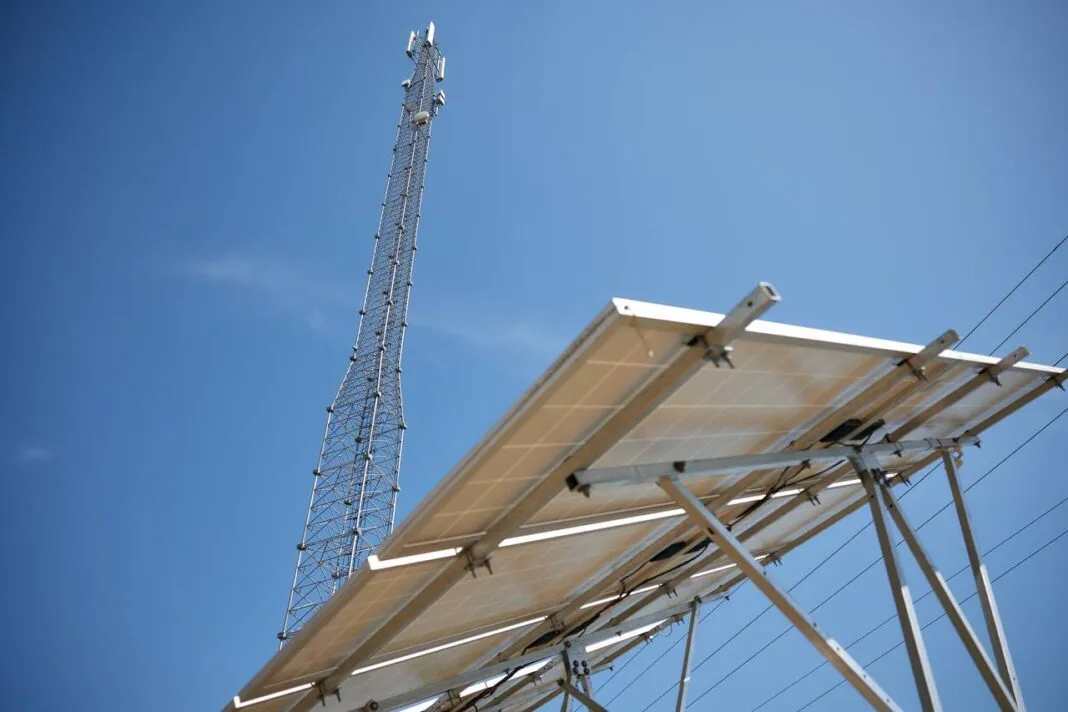
Particular emphasis is placed on investments in the network itself. Over the four years of the war, lifecell has invested around 16 billion UAH in capital expenditure. For the market, this is one of the key figures, as it is not simply about expanding coverage, but about the network’s ability to operate amid shelling and power cuts.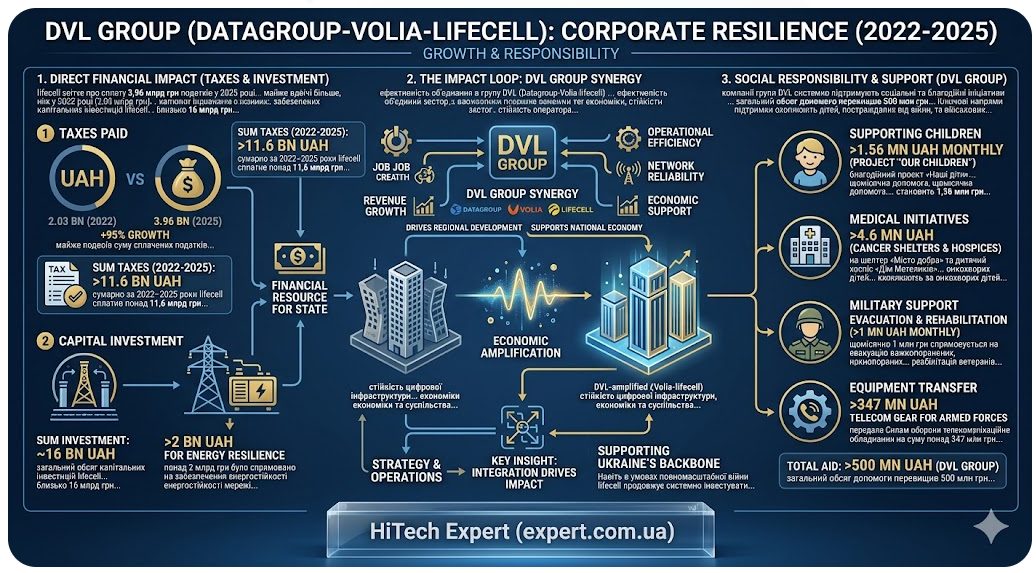
Of this amount, over UAH 2 billion was spent specifically on energy resilience. The company purchased batteries and generators to maintain connectivity during power cuts. The remaining funds were directed towards infrastructure, expanding coverage and supporting critical network nodes.
The social component of the company’s results is also significant. The total amount of charitable aid provided by the DVL Group by the end of 2025 exceeded 500 million UAH.
In particular, as part of the “Our Children” project, 1.56 million UAH was allocated for monthly support for children who have lost their parents. A further 4.6 million UAH went towards helping children with cancer and children’s hospices.
The largest single area of support relates to the military. According to the company, telecoms equipment worth over 347 million UAH was donated to the Armed Forces of Ukraine. In addition, the “Life Saving Centre” charitable foundation receives monthly funding of 1 million UAH for the evacuation of the wounded.
Ultimately, lifecell is striving to position itself not merely as a mobile operator, but as an infrastructure business for which connectivity during wartime has long ceased to be a service advantage and has instead become a fundamental prerequisite for the network’s survival. That is precisely why, for the general reader, the main news here is not the corporate reporting itself, but the fact that the company has invested 16 billion UAH in the network, over 2 billion UAH in operations during blackouts, and has almost doubled its tax payments.
As a reminder, Kyivstar has launched a new Marketplace for business — an online platform offering digital solutions from partners for sales, marketing, customer service and HR. The first offerings on the platform were CRM systems, as well as virtual PBX and telephony services.