The International Energy Agency has agreed to bring 400 million barrels of oil to market.

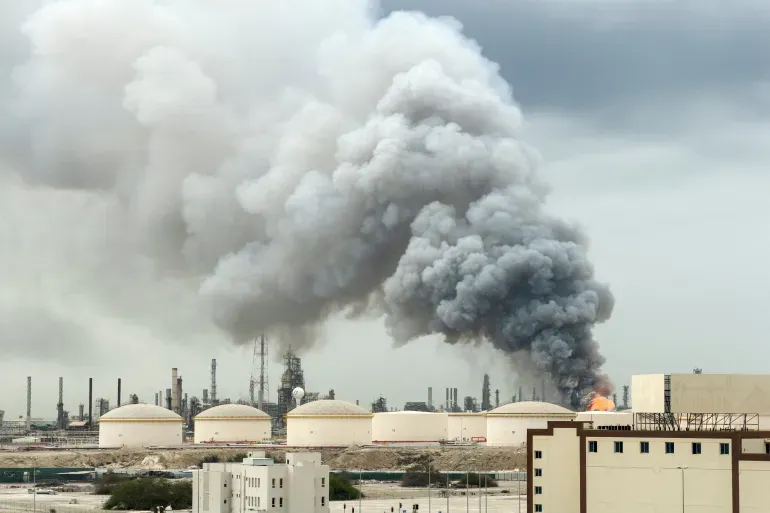
The countries of the International Energy Agency have agreed to release 400 million barrels of oil from strategic reserves onto the global market. This is the largest decision of its kind in the organisation's history.
The decision was made during an emergency meeting of IEA member governments after assessing the situation on energy markets against the backdrop of the war in the Middle East.
The release of reserves should help mitigate the effects of oil supply disruptions caused by the conflict in the region.
The IEA did not specify when these oil volumes would appear on the market. The reserves are planned to be released in accordance with the conditions and capabilities of each of the organisation's 32 member countries.
IEA Executive Director Fatih Birol said that the scale of the problems in the oil market is unprecedented.
"The challenges we face in the oil market are unprecedented in scale, so I am very pleased that IEA member countries have responded with unprecedented collective action," he said.
According to Birol, the conflict in the Middle East has a significant impact on global oil and gas markets and poses serious challenges to energy security and the global economy.
"The conflict in the Middle East has a significant impact on global oil and gas markets, with serious implications for energy security, energy affordability and the global economy in the oil sector," he said.
IEA member countries now have more than 1.2 billion barrels of strategic oil reserves. Another 600 million barrels are held in industrial stocks, which companies maintain at the request of governments.
The organisation was created in 1974 after the oil embargo imposed by Arab countries due to US support for Israel during the 1973 Arab-Israeli war.
Disruptions in oil supplies are linked to the situation around the Strait of Hormuz. About one-fifth of the world's oil and gas supplies pass through this sea strait every day.
After the war began, Iran effectively blocked tanker traffic through the Strait of Hormuz, threatening to attack ships. As a result, oil exports through this route fell to less than 10 per cent of pre-conflict levels.
Due to security threats, some oil companies in the Middle East are reducing production and refinery operations.
The increased risks to supply have led to a sharp rise in oil prices. Since the start of the war, Brent crude oil has risen in price by more than 25 per cent.
At the beginning of the week, its price rose to approximately $119 per barrel. After the IEA's decision was announced, prices remained above $90 per barrel.
Analysts note that the planned volume of oil releases is roughly equal to four days of global production or sixteen days of the volume of oil that normally passes through the Persian Gulf.
As part of this decision, individual countries also announced their own steps. In particular, Germany and Austria said they were ready to use part of their reserves. Japan said it plans to start releasing reserves as early as next week.
The United Kingdom announced its intention to provide 13.5 million barrels of oil for this operation. South Korea said it would allocate 22.46 million barrels from its strategic reserves.
This is the sixth collective operation by the IEA to release strategic reserves. The organisation made similar decisions in 1991, 2005, 2011 and twice in 2022.