The naval blockade imposed by Trump is intensifying economic pressure on Iran

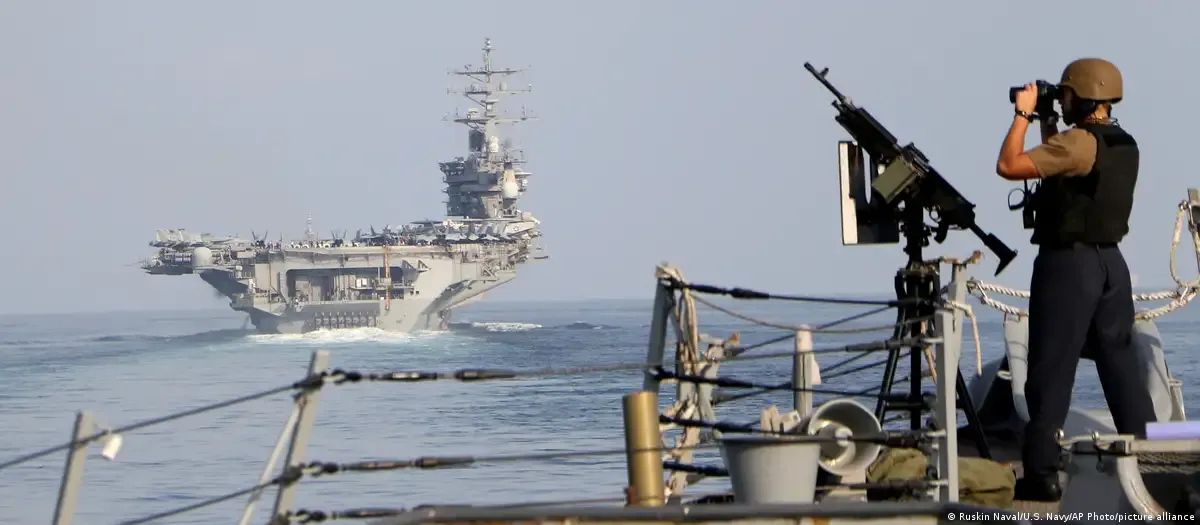
Following the breakdown of peace talks between the US and Iran in Pakistan, US President Donald Trump stated that the US Navy would block ships attempting to enter or leave Iranian ports via the Strait of Hormuz.
Before the war began in late February, around a fifth of the world’s maritime oil trade passed through the Strait of Hormuz. If the blockade is effectively implemented, it could halt Iran’s exports of nearly 2 million barrels per day, which is the country’s main source of foreign exchange earnings, writes DW.
According to US officials, the aim of the operation is to deprive Iran of the advantages it has gained through its control of the strait. The blockade is also intended to prevent the collection of transit fees, which reportedly could reach up to $2 million per vessel.
Donald Trump stated that ships paying such fees would not be guaranteed safe passage. He also noted that the US Navy would begin destroying mines laid by Iran in the strait.
US Central Command has stated that the blockade does not apply to vessels heading to ports in other countries in the region, including Saudi Arabia, Qatar and the United Arab Emirates.
The operation involves monitoring the Gulf of Oman and the Arabian Sea east of the Strait of Hormuz and covers the entire Iranian coastline. Vessels entering the blockade zone without permission may be stopped, redirected or detained.
Experts in maritime law note that the blockade will be enforced through vessel inspection procedures. At the same time, they warn of risks to neutral shipping and potential disputes regarding the compliance of such actions with international law.
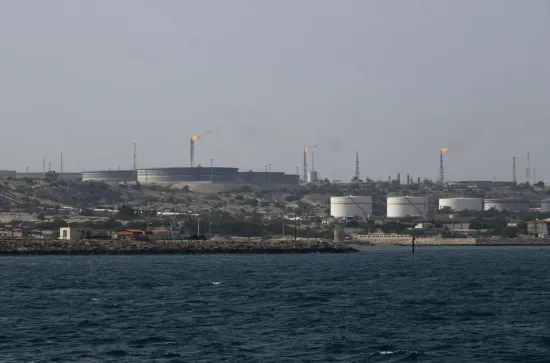
Following the announcement of the blockade, tanker traffic in the strait has once again declined. Iran’s main oil terminal on Kharq Island accounts for over 90 per cent of oil exports, and the restrictions could significantly hamper its operations.
Iran has continued to export oil despite sanctions, using old tankers and other methods to circumvent the restrictions. The imposition of the blockade increases the risks for such operations due to the possibility of vessels being intercepted or detained.
Last year, oil exports brought Iran around $45 billion, accounting for approximately 13 per cent of GDP. The lack of alternative export routes makes maritime shipments crucial to the country’s economy.
In response to the blockade, the Islamic Revolutionary Guard Corps has announced possible retaliatory measures. Iranian officials have warned that should restrictions be imposed on their ports, the security of ports in the Persian Gulf and the Gulf of Oman would also be at risk.
Ebrahim Rezaei, a spokesman for the Iranian Parliament’s National Security Committee, stated that Tehran is prepared to respond militarily if necessary. He also noted that the situation could become more complicated and markets could become more volatile.
Some US experts have expressed doubts about the effectiveness of the operation. They believe that implementing the blockade could be difficult and would require significant resources.
Analysts suggest that US actions may also be aimed at exerting pressure on China, which purchases a significant portion of Iranian oil. According to their assessments, should the situation escalate, further complications for international shipping are possible.
Follow us on Telegram