Germany is preparing for a possible Russian attack on NATO within the next two years

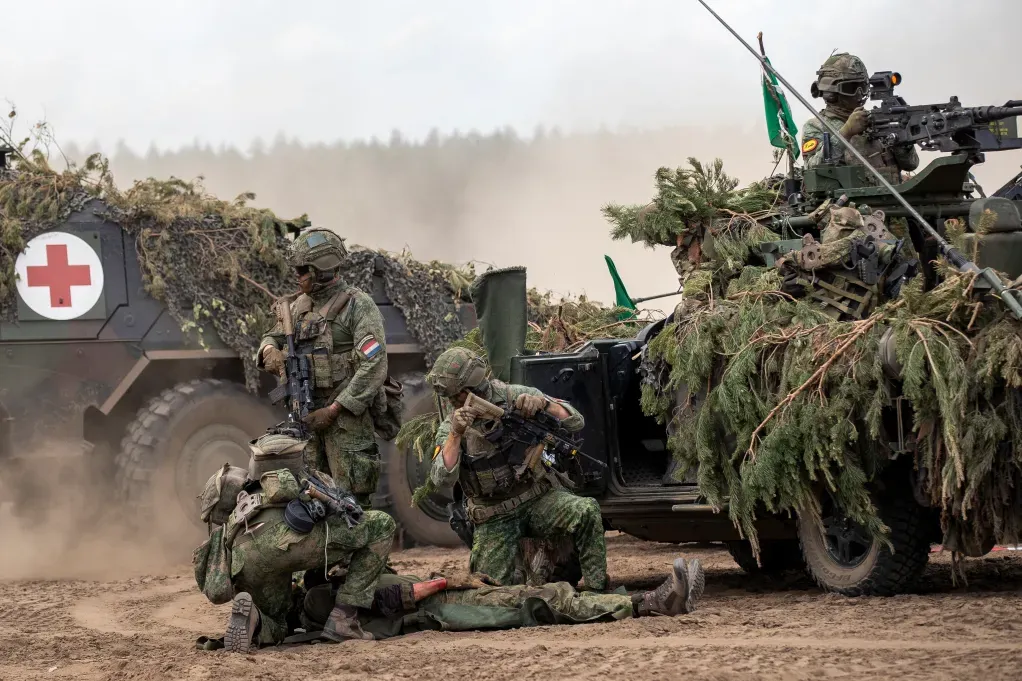
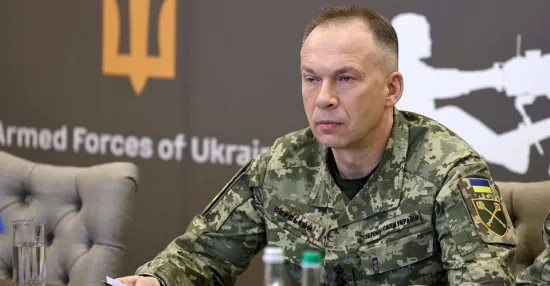
Germany is accelerating preparations for the worst-case scenario of a full-scale Russian attack on NATO in the next two or three years. This was stated by Lieutenant General Gerald Funke, commander of the Bundeswehr Support Command, which is responsible for logistics, medical care and rear support for troops.
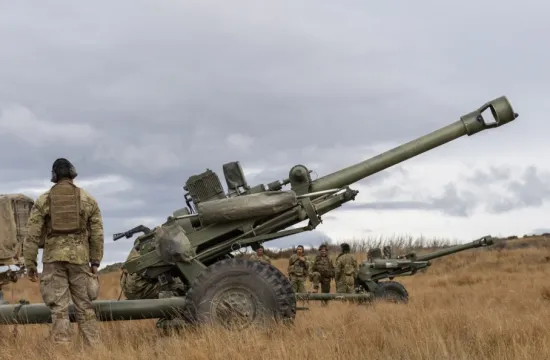
According to German military estimates, in the event of a war between Russia and the Alliance, combat operations will unfold on the eastern flank, and Germany will become a key centre for troop deployment from the very first hours. In one scenario, a mechanised brigade of about 4,800 troops would operate from bases in Lithuania, and within a few days would be joined by up to 15,000 rapid reaction forces. Subsequently, tens of thousands of allied soldiers will arrive in Europe via North Sea ports and will have to be transported by rail and road in conditions of sabotage, cyberattacks and possible missile strikes.
Particular attention is being paid to medical care. According to Funke, in the event of a large-scale conflict, Germany must be prepared to receive up to a thousand wounded every day. This burden could exceed the peak figures during the pandemic, when hospitals were operating at full capacity. The Bundeswehr's five military hospitals have only about 1,800 beds, so the authorities are already integrating the civilian medical system into their defence plans.
The military cites hybrid threats as a particular challenge. These include sabotage, cyberattacks, agent networks and drone strikes. Funke emphasises that maintaining Germany as a stable logistics hub is critically important, as alternative routes must be available in case one supply route is blocked.
As part of its preparations, Berlin is effectively returning to elements of the Cold War-era total defence system. The military is reviving mechanisms for cooperation with the private sector, particularly with regard to the requisitioning of transport, fuel and food, and is also concluding contracts with companies to ensure the transit of allied troops. At the same time, according to the command, a significant part of the business community is still unaware of the scale of its potential role in a crisis situation.
In parallel, Germany is conducting large-scale exercises in cities and ports, practising the evacuation of the wounded, the protection of sea lanes and the transfer of forces to the Baltic states. The military acknowledges that incidents and failures occur during manoeuvres, but considers this part of preparing society for the new realities of war, where there is no longer a clear line between peace and combat operations.
Source and photo: FT.
Germany, FRG, war, NATO, Funke,