Despite the war, around 90 ships have passed through the Strait of Hormuz

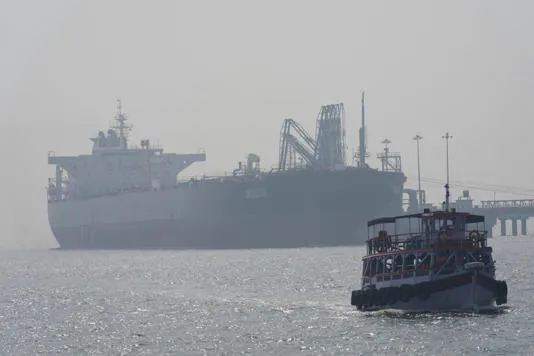
Since the beginning of March, at least 89 vessels have passed through the Strait of Hormuz, including 16 oil tankers. Before the war, daily traffic stood at approximately 100 to 135 passages per day, according to Newsweek.
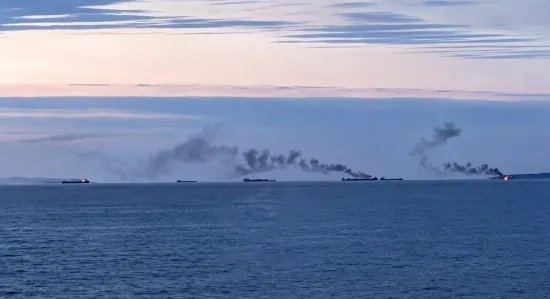
Most shipping through the strait, which accounts for about a fifth of global oil supplies, was halted after hostilities began. Around 20 attacks on vessels have been recorded in the area.
Meanwhile, Iran continues to export oil. According to estimates by the Kpler platform, export volumes have exceeded 16 million barrels since the start of March. China remains the main buyer.
Some vessels passed through the strait using so-called ‘dark voyages’, which allow them to evade sanctions and scrutiny. According to Lloyd’s List Intelligence, over a fifth of the vessels were linked to Iran, whilst others had ties to China and Greece.
Some vessels also passed through the strait under diplomatic arrangements. In particular, the Pakistani-flagged tanker Karachi crossed the strait. Representatives of the Pakistan Port Authority did not confirm the vessel’s route, but stated that it was due to arrive safely in the country.
Two vessels from India, the Shivalik and the Nanda Devi, which were carrying liquefied gas, also passed through the strait in mid-March. According to India’s Minister of External Affairs, Subrahmanyam Jaishankar, this was made possible following negotiations with Iran.
Iraq has also been negotiating the passage of its oil tankers through the strait.
Analysts estimate that Iran may have established a limited safe corridor for certain vessels travelling near its coastline. Some vessels declared links to China or a Chinese crew to reduce the risk of attacks.
Oil prices rose by more than 40 per cent and exceeded $100 per barrel after the war began. Iran stated that it would not allow oil to be transported to the US, Israel and their allies.
At the same time, the US has allowed Iranian tankers to pass through the strait to ensure global supplies. US Treasury Secretary Scott Bessent noted that Iranian vessels are already making such crossings.
Analysts point out that the strait is not completely closed, but is operating selectively for certain vessels and shipments.