Prices for aviation fuel in Russia have reached a record high

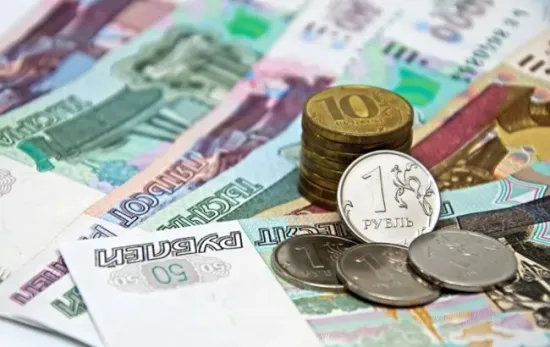
The Russian aviation fuel market has seen a record rise in prices. The wholesale price of jet fuel has exceeded 110,000 roubles per tonne for the first time in history, according to The Moscow Times.
According to the St Petersburg Commodity and Raw Materials Exchange, the over-the-counter national price index for jet fuel has risen by 41% since the start of the year and has been hovering around 113,000 roubles per tonne since last week. The sharp rise in prices began in the second half of May. Over the course of a month, jet fuel prices rose by 32,000 roubles per tonne, or 39%.
Exchange-traded sales of jet fuel, which at the start of the year stood at between 2,000 and 4,000 tonnes per day, have virtually ceased. The last transactions on the exchange were recorded on 13 May, when 1,200 tonnes of fuel were sold.
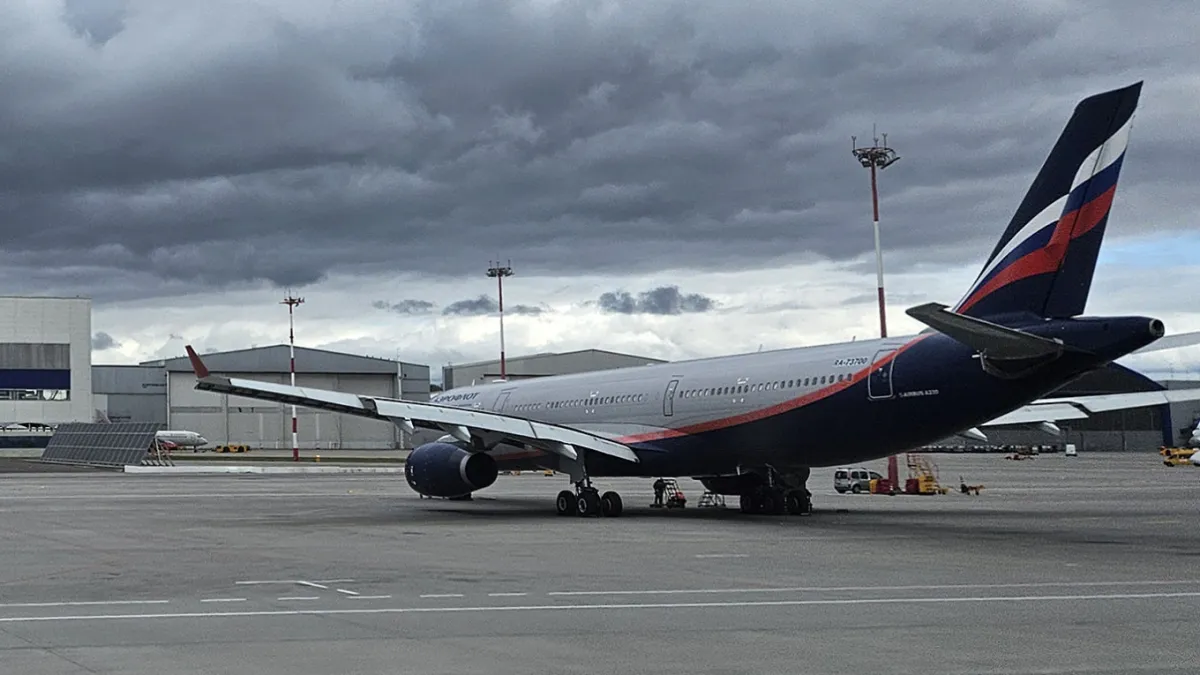
A source speaking to Kommersant described the situation on the trading floor as a virtual absence of supply. According to the publication, at the end of May, airlines faced a fuel shortage at airports in St Petersburg, Yekaterinburg, Ufa and several other cities. Fuel suppliers warned carriers that they would be unable to refuel aircraft in accordance with existing contracts.
Following an emergency meeting at the Russian Ministry of Energy, fuel for aircraft refuelling was diverted from other regions, and the government imposed a ban on the export of aviation fuel abroad.
However, two weeks later, a number of airports began imposing restrictions again. On 12 June, it emerged that Makhachkala, Mineralnye Vody, Krasnodar, Astrakhan and Nizhny Novgorod had issued notices to pilots regarding restrictions on aircraft refuelling.
According to an estimate by Finam analyst Sergei Kaufman, Russia produces around 10 million tonnes of aviation kerosene annually, of which approximately 1.5 million tonnes, or 15%, were previously exported.
Maksim Dyachenko, managing director of Proleum, noted that the situation with aviation fuel is more complex than with diesel fuel. According to him, additional measures need to be implemented to saturate the domestic market and ensure supplies to the government.
At the same time, a source at one of the Russian airlines speaking to the publication ‘Expert’ stated that there are still stocks of aviation fuel on the market, and that the export ban was introduced to prevent a shortage.