The EU prosecutor may bring charges against Orbán’s inner circle

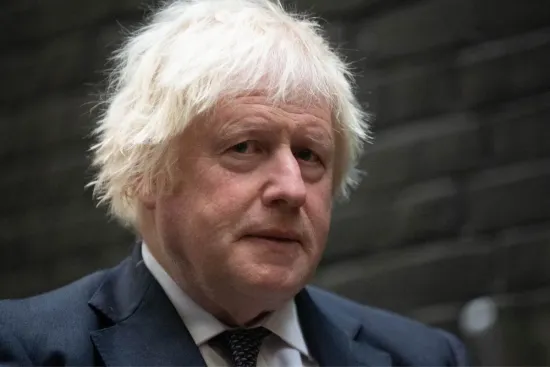
Hungary’s Prime Minister-elect Péter Magyar has stated that one of his government’s first steps will be to join the European Public Prosecutor’s Office, according to Euractiv. He said this would enable European investigators to probe cases of potential misuse of European Union funds.
Mátyás also announced plans to implement reforms aimed at unblocking €17 billion frozen by the European Commission due to concerns over the rule of law.
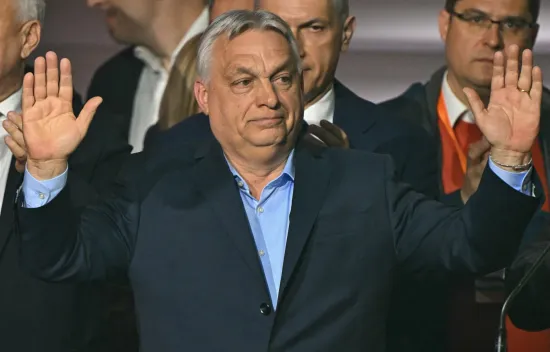
During his first press conference as the elected head of government, he rejected calls from some political allies for Viktor Orbán to be imprisoned. Magyar emphasised that his task is to ensure the independence of investigative bodies and the judicial system.
“It is not the task of a politician, nor of the prime minister, nor of the party leader, to decide whether a former prime minister should be in prison,” he said.
The decision to join the European Public Prosecutor’s Office marks a change of course from the policy of Viktor Orbán’s government, which had previously refused to participate, viewing it as an expansion of Brussels’ powers.
The European Public Prosecutor’s Office, headquartered in Luxembourg, has the power to investigate complex cross-border cases involving EU finances. Its mandate allows it to handle cases dating back to 2017.
The European Commission has noted that joining this body is important for strengthening trust and ensuring the rule of law. To unblock funding, Hungary must demonstrate progress on reforms, particularly regarding the independence of the judiciary.
The accession procedure involves an official notification to the European Commission and the Council of the EU, following which approval is expected within four months. After that, legislative amendments must be made and delegated prosecutors appointed.
Experts note that even with a parliamentary majority, the reforms will not happen overnight. Key conditions include ending government influence over the judiciary, ensuring the independence of prosecutors, and enforcing court rulings.
If these changes are implemented, there could be consequences for business structures linked to the previous government. According to a Financial Times investigation, 14 per cent of state tenders during Viktor Orbán’s tenure were awarded to 42 companies owned by 13 related parties. The total value of such contracts exceeds €28 billion for the period from 2010 to the end of 2025.
At the same time, the scope of the investigations will depend on the new government’s decisions regarding the powers of the public prosecutor’s office and the period to be examined.
The initiative has already drawn criticism from Viktor Orbán’s allies in Brussels. They believe that the new government intends to comply with the European Union’s requirements.
Follow us on Telegram