Russia attacked Ukraine with hundreds of drones and dozens of missiles, targeting energy infrastructure as its main objective.

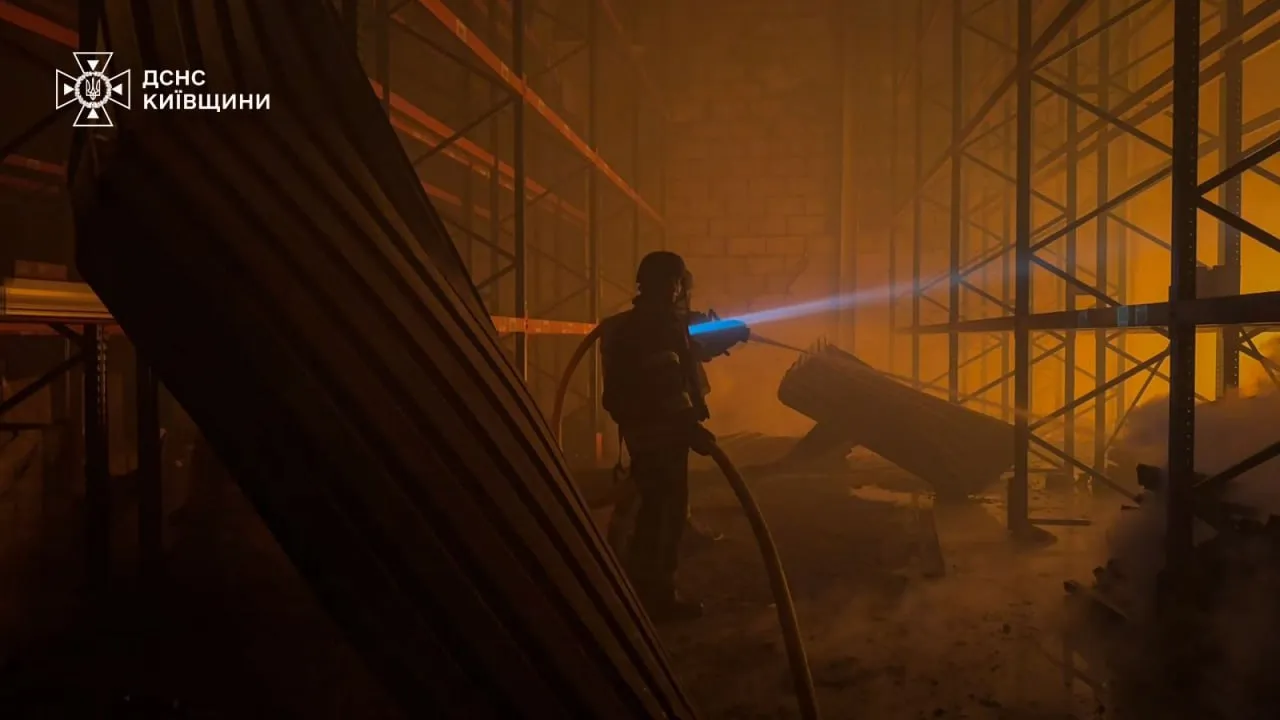
Starting at 7 p.m. on 6 February, Russian troops launched a combined strike on critical infrastructure in Ukraine, using strike drones and air-, ground- and sea-based missiles. The Air Force's radio-technical troops recorded a total of 447 air attack weapons.
In particular, these included two Zircon missiles launched from the temporarily occupied Crimea, 21 Kh-101 cruise missiles from the launch area over the Caspian Sea, and 16 Kalibr cruise missiles launched from the Black Sea. In addition, the Russian Federation used 408 Shahed, Gerbera, Italmas and other types of strike drones. Approximately 250 of them were Shahed drones. The launches were recorded from the directions of Bryansk, Kursk, Orel, Shatalovo, Millerovo, Primorsko-Akhtarsk in the Russian Federation, Gvardeyskoye in Crimea and the temporarily occupied Donetsk.
President Volodymyr Zelenskyy said that Russia used more than 400 drones and about 40 missiles of various types in this attack. He stressed that the main targets of the strike were the power grid, power generation and distribution substations, and that rescue and repair work was continuing wherever the security situation allowed.
According to the Air Force, as of 10:30 a.m. on 7 February, air defence forces had shot down or suppressed 406 targets. These included 24 missiles and 382 drones. Among the missiles destroyed were 14 X-101s and 10 Kalibrs. The air attack was repelled by aviation, anti-aircraft missile forces, electronic warfare and unmanned systems units, as well as mobile fire groups of the Defence Forces.
At the same time, 13 missiles and 21 strike drones were recorded hitting 19 locations, and debris from downed UAVs fell on three more locations. Information on two enemy missiles is being clarified. The main targets of the attack were the Lviv, Ivano-Frankivsk, Rivne and Vinnytsia regions.