Russian oil is stuck at sea and getting cheaper despite rising exports

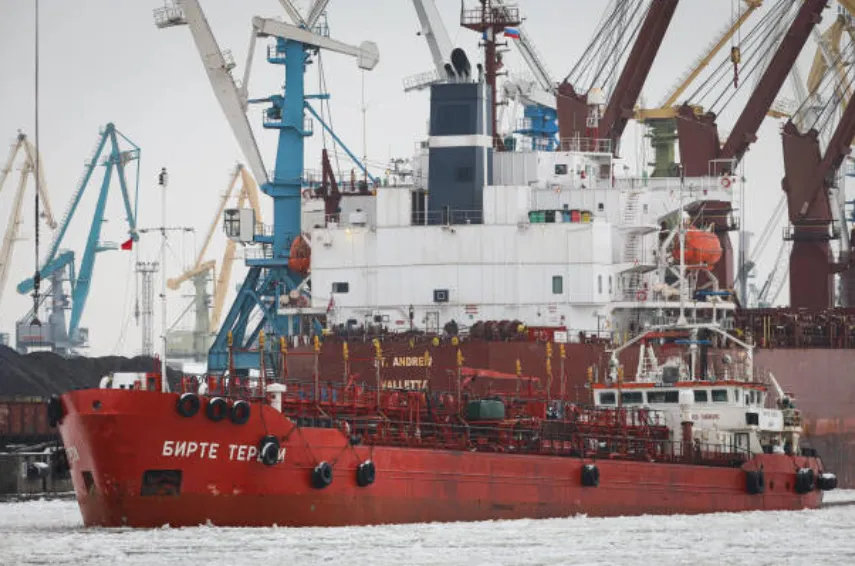
Russia is loading oil onto tankers at a record pace, but a significant portion of the cargo does not reach buyers and remains at sea. This has been one of the factors behind the fall in oil prices and the weakening of Moscow's ability to finance its war against Ukraine. This was reported by The Public with reference to Bloomberg.
Russian oil exports rose for the second week in a row. In the four weeks leading up to 7 December, Moscow shipped 3.68 million barrels per day, 220,000 more than in the previous period. However, unloading tankers has become a serious problem.
Longer routes after the reorientation of ships from India to China increased sea deliveries by 28% since the end of August. The oil surplus at sea has risen to its highest level in two and a half years. Some of the cargo comes from Novorossiysk, as well as from the Sakhalin 1 and Sakhalin 2 projects in the Pacific Ocean.
Despite the increase in shipments, prices continue to fall for the tenth week in a row. The cost of Russian supplies has increased by only 1%. According to Argus Media, Urals and ESPO oil are trading at their lowest prices since the start of the full-scale invasion. The Urals discount to the North Sea benchmark exceeded $25 per barrel, twice as much as before the latest package of US sanctions.
Tankers that do not indicate their destination now carry more Russian oil than ships bound for China, India or Turkey. Previously, almost all shipments went to Asia, but tougher US sanctions could leave some of the oil effectively stranded at sea if sellers cannot find alternative routes.