Shmyhal has announced a new framework for Ukraine’s energy security

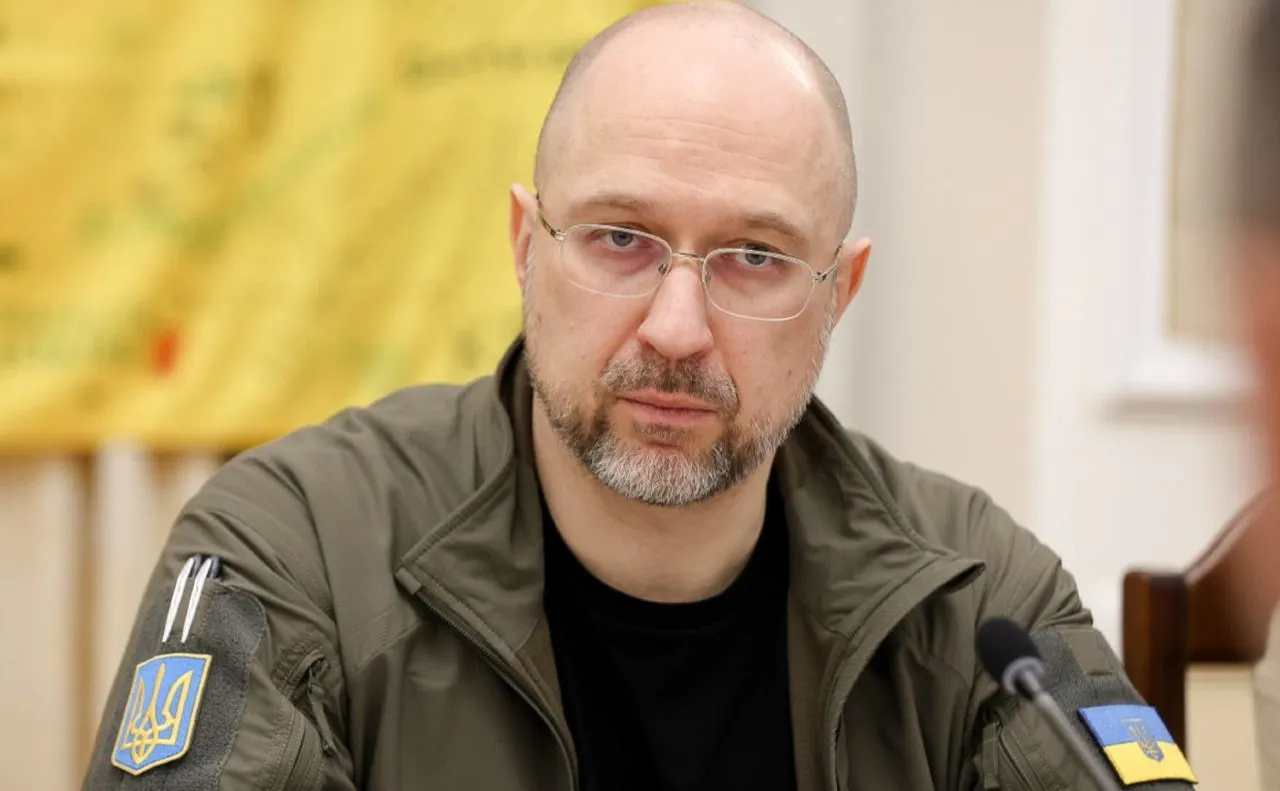
Denys Shmyhal made this announcement during the Congress of Local and Regional Authorities under the President of Ukraine.
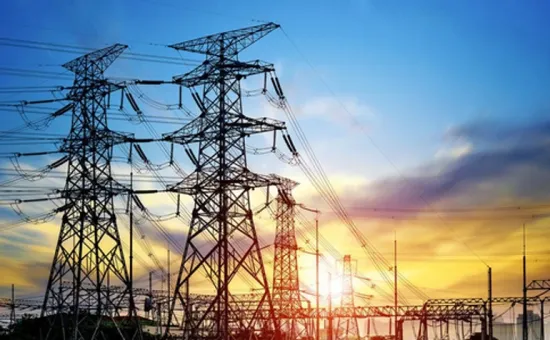
Shmyhal stated that Ukraine is developing a new energy security architecture, which should rely not only on large-scale facilities but also on the resilience of critical infrastructure at the local level. According to him, the country is creating a network of ‘energy hubs’ – autonomous or semi-autonomous clusters where key facilities will be able to operate even when the central grid is damaged.
According to the minister, this model consists of three levels. The first is nuclear generation, which provides the system with basic stability and, as Shmyhal emphasised, will remain key to the energy balance. The second is flexibility, balancing and new generation. This refers to reserve capacity, storage facilities and the commissioning of new facilities where the system already faces technical shortages. The third level is local autonomy, i.e. cogeneration, small gas-fired plants, as well as decentralised heat and water supply, where the government expects active participation from local authorities.
It is within the framework of this approach that a tender is planned to be announced in 2026 for the construction of up to 1.3 GW of new generation capacity. Shmyhal clarified that this concerns the regions where new generation capacity is most needed: Poltava, Sumy, Kharkiv, Chernihiv, Kyiv, Odesa and Dnipropetrovsk regions.
Separately, he outlined the plan for 2026 regarding distributed gas generation. Ukraine aims to commission 1.5 GW of new capacity. According to the minister, this is the same amount that has been commissioned throughout the entire period of the full-scale war.
Shmyhal also reported that the state-owned energy companies Naftogaz and OGTSU plan to install 232 MW and 92 MW respectively by the end of the year. A further 102 MW of capacity was already commissioned in March.
At the same time, he said, the regions’ additional demand for capacity now exceeds 500 MW. That is why the Ministry of Energy is working with international partners, particularly through the Energy Support Fund, to address this shortfall.
In parallel, the government has already allocated funds from the reserve fund for the installation and connection of existing cogeneration plants in eight regions. The first tranche will amount to 307 million UAH. This should enable the connection of 75 plants with a total capacity of 96 MW.
Another set of measures concerns procurement. The Ministry of Energy, together with the Ministry of Development and the Ministry of Economy, has prepared draft government decisions to simplify the procedures for procuring equipment under the resilience plans, as well as the associated works required for its installation.
Separately, Shmyhal reported on negotiations with the business community. According to him, the government wishes to extend support to all newly built generation facilities in frontline regions commissioned from December 2022, rather than only from 1 December 2025. The possibility of extending the practice of PPA contracts to distributed gas generation entities is also being explored. The idea is to provide such projects with a long-term predictable price, reduce risks and encourage businesses to invest in their own generation.