The US has accused China of conducting a secret nuclear test

The United States has accused China of conducting a secret nuclear test in 2020. This was stated by US Deputy Secretary of State for Arms Control and International Security Thomas DiNanno at the Conference on Disarmament in Geneva, Reuters reports.
According to the American official, the US has information that China has conducted nuclear explosive tests, including tests with a specified yield of hundreds of tons. He claims that the Chinese military tried to conceal these activities using methods that reduce the effectiveness of seismic monitoring. According to Washington's assessment, one such test took place on 22 June 2020.
The Chinese side rejected the accusations. Chinese Ambassador for Disarmament Shen Jian said that Beijing was acting responsibly in the nuclear sphere and called the US allegations an attempt to exaggerate the so-called Chinese nuclear threat. According to him, it is the United States that is responsible for the escalation of the arms race.
At the same time, Robert Floyd, head of the Comprehensive Nuclear-Test-Ban Treaty Monitoring Agency, said that the international monitoring system had not recorded any events that would correspond to the characteristics of a nuclear explosion during the specified period. Additional analysis also did not confirm such signs.
The US statements came against the backdrop of the expiry on 5 February of the New START treaty, which since 2010 had limited the number of strategic missiles and warheads in the US and Russia. For the first time since 1972, the two largest nuclear powers are left without binding restrictions in this area.
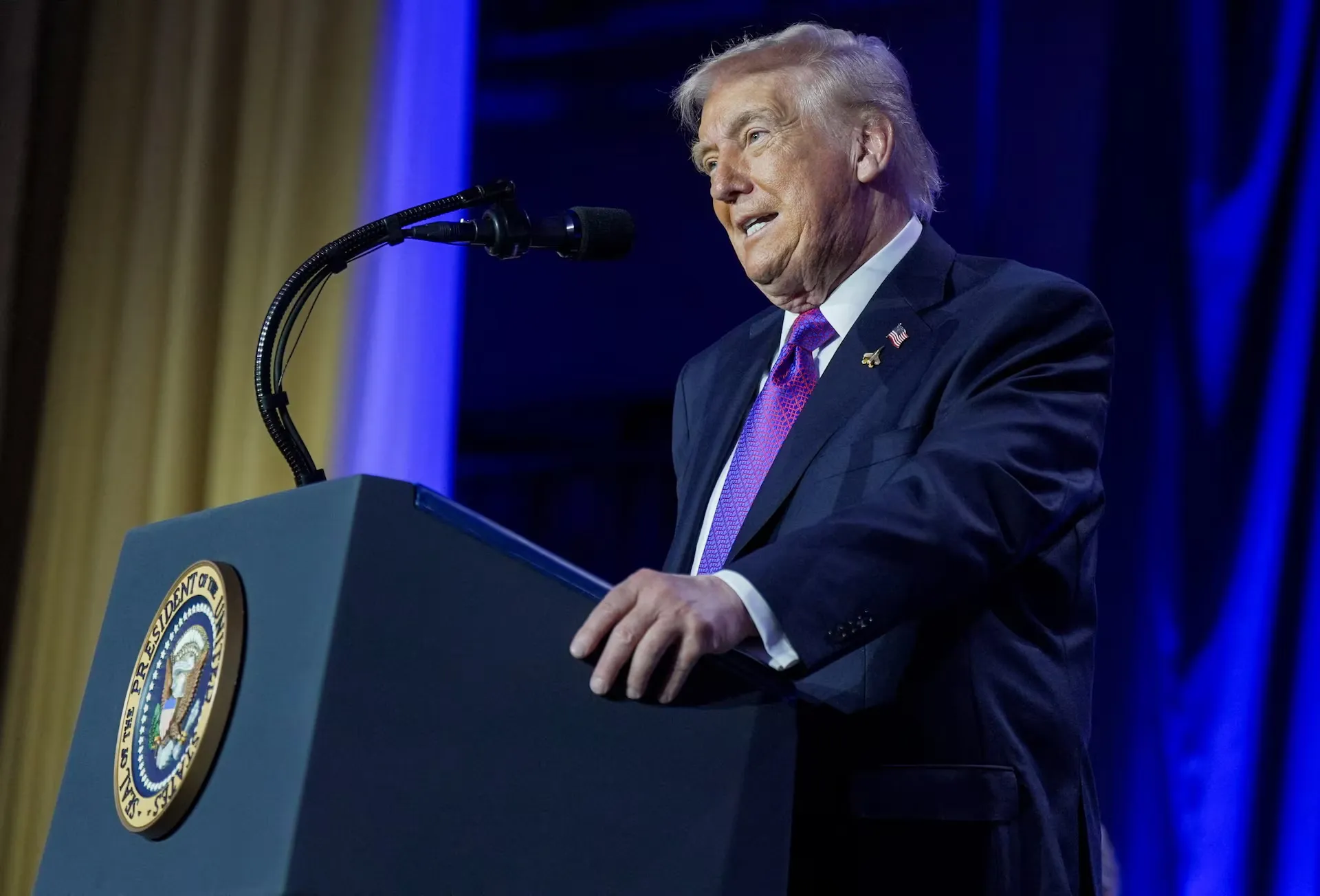
US President Donald Trump insists on concluding a new treaty that would include not only Russia but also China. Washington claims that Beijing is rapidly increasing its nuclear capabilities and could have more than 1,000 warheads by 2030. China, in response, emphasises that it has approximately 600 warheads, while the US and Russia have about 4,000 each, and refuses to join new negotiations at this stage.
Analysts note that a new nuclear arms control agreement will require years of negotiations. At the same time, growing tensions around Ukraine, the Middle East and other regions increase the risk of miscalculation and encourage nuclear powers to act on worst-case scenarios.