Starmer refused to resign amid crisis over Mandelson appointment

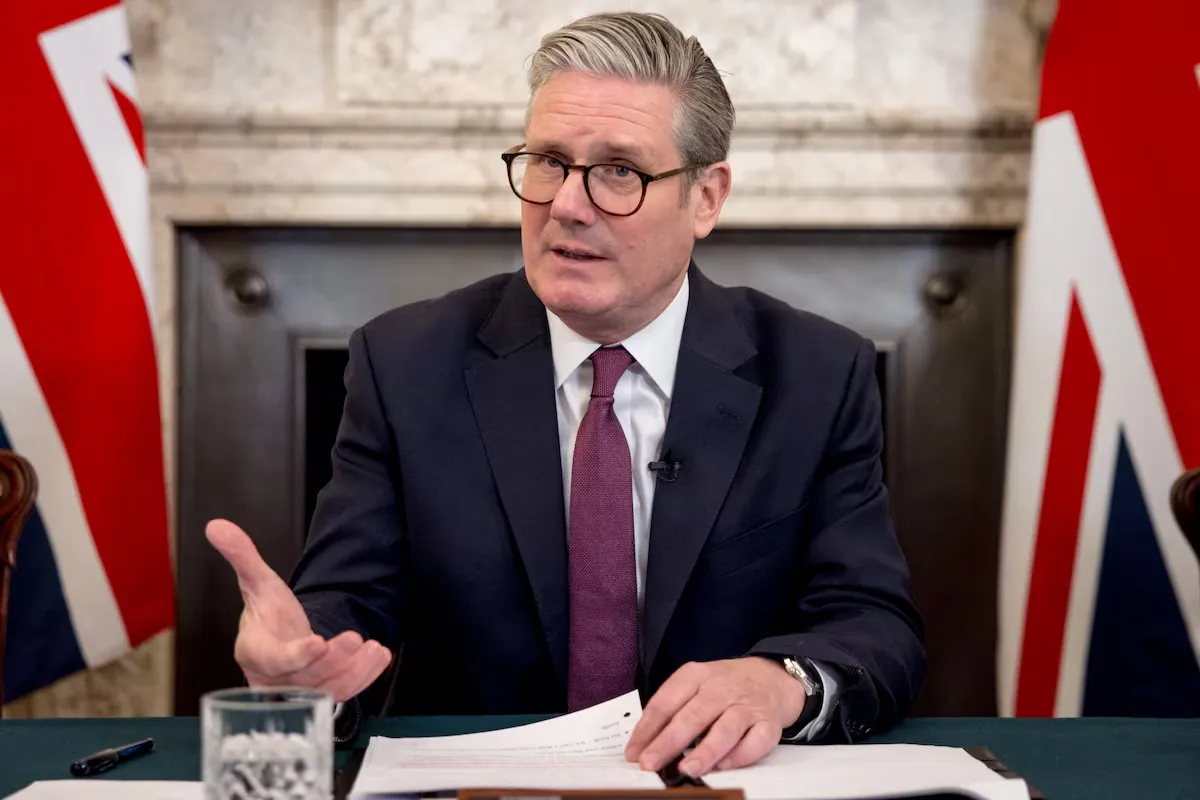
British Prime Minister Keir Starmer has refused to resign following the appointment of Peter Mandelson as ambassador to the United States. This personnel decision has caused a serious political crisis in the government.
The pressure intensified after Scottish Labour leader Anas Sarwar called for a change in leadership in London. According to him, the distraction must end, and the leadership on Downing Street must be renewed. At the same time, a government spokesperson said that Starmer has a clear five-year mandate from voters and will continue to perform his duties.
The crisis has been accompanied by personnel losses. Two senior advisers have left the government in the last two days. Communications Director Tim Allan has resigned. Earlier, the Prime Minister's closest adviser, Morgan Maxwine, left his post, taking responsibility for recommending Mandelson for a key diplomatic post in Washington.
The scandal is linked to documents released last month by the US Department of Justice, which contain emails. They refer to a possible leak by Mandelson of information about discussions on the sale of British assets and changes in tax policy during the financial crisis to the benefit of Jeffrey Epstein. Mandelson is currently under police investigation on suspicion of abuse of office. He has not made any public comments on the matter.
Despite calls for his resignation, Starmer has received support from key members of the government. Among them are Foreign Secretary David Lammy, Finance Minister Rachel Reeves and Home Secretary Yvette Cooper. Angela Rayner, who is considered a potential contender for the leadership, also expressed her full support.
During a meeting with Labour Party MPs, Starmer said he had no intention of leaving office and plunging the country into chaos. He stressed that his task was to counter the populist Reform UK party led by Nigel Farage.
At the same time, the markets reacted to the political instability with an increase in the cost of government borrowing and fluctuations in the pound against the euro. After statements of support for the prime minister, the situation partially stabilised.
The leader of the opposition Conservative Party, Kemi Badenoch, said that Starmer is incapable of leading the government and must either take control of the situation, step aside for another leader, or call an election.
Despite sharp criticism, according to one MP, Starmer's position remains stable for now. However, the scandal has dealt a serious blow to the government, which has been in power for almost two years and is trying to focus on tackling the cost-of-living crisis and restoring the economy.