Tanker fleet with Venezuelan oil turns back under US pressure

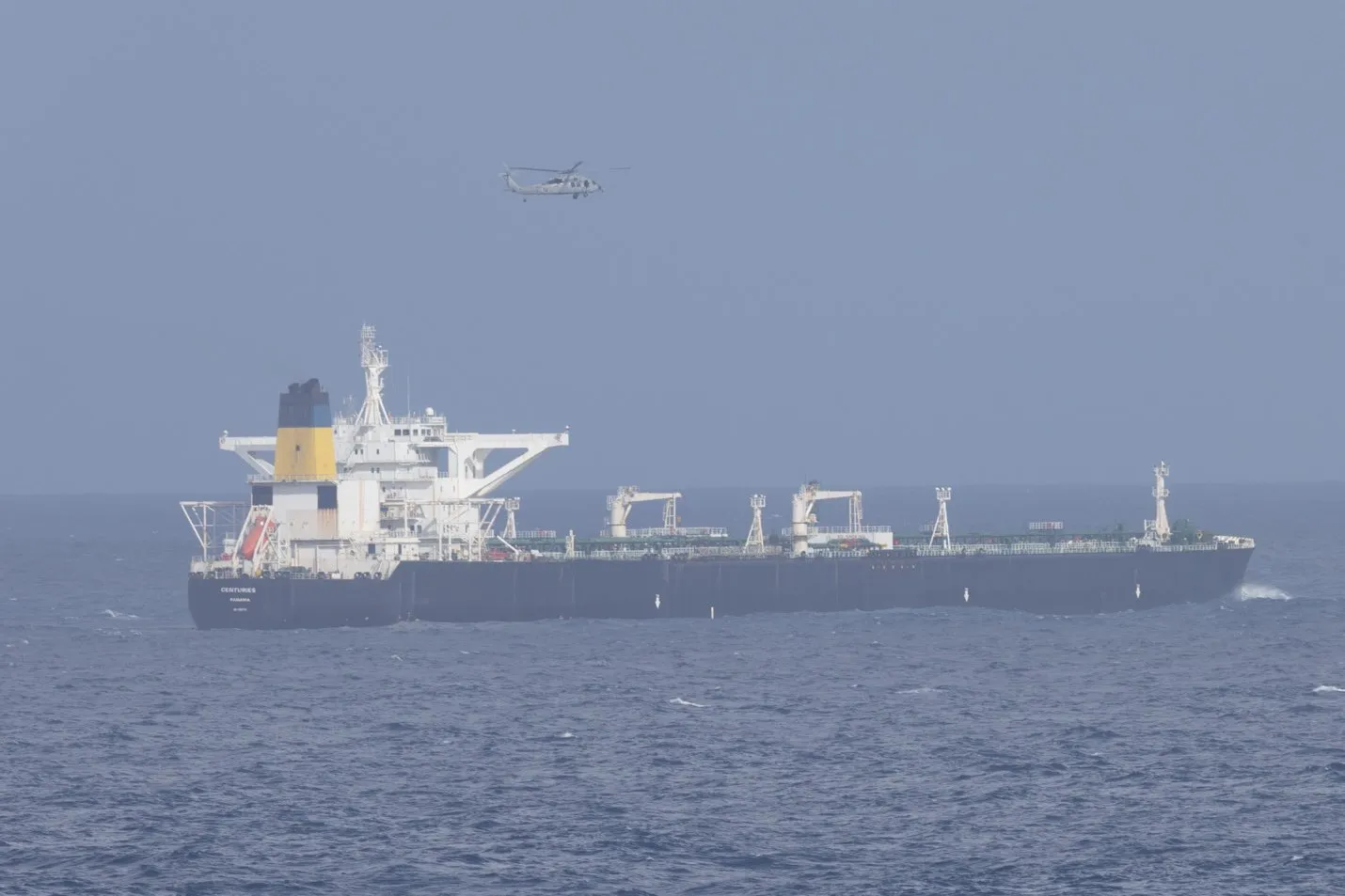
At least six oil tankers, most of them loaded, have returned to Venezuelan waters after attempting to sail with their identification systems switched off. This was reported by Reuters on 10 January with reference to the state-owned company PDVSA and the TankerTrackers.com monitoring service.
The vessels in question are those that left Venezuelan ports in early January amid a tough naval blockade imposed by the administration of Donald Trump in mid-December. In total, a flotilla of about 12 loaded tankers and at least three empty vessels left the country in late December. According to analysts, these actions have sharply reduced Venezuelan oil exports to minimal levels.
One of the tankers, the Panamanian-flagged supertanker M Sophia, was intercepted and seized by US forces this week while returning to Venezuela and sent to US waters. Another Aframax Olina-class tanker flying the flag of São Tomé and Príncipe was detained but later released and returned to Venezuelan waters. According to TankerTrackers.com, five other vessels, including the Merope, Min Hang, Thalia III, Vesna and Nayara, were spotted by satellites in Venezuelan waters between Friday and Saturday.
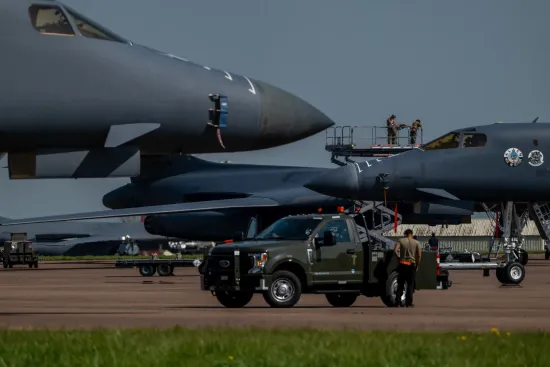
Against this backdrop, the Pentagon said the United States intends to intercept all shadowy fleet vessels transporting Venezuelan oil, regardless of their location. Pentagon spokesman Sean Parnell said that in the last 24 hours alone, at least seven tankers have changed course to avoid detention, which he said demonstrates the effectiveness of the blockade in the Caribbean.
At the same time, Washington and Caracas are discussing the possibility of moving to controlled and organised oil supplies as part of a potential deal worth about $2 billion. The talks intensified after the US captured and removed President Nicolas Maduro from the country last week. According to Reuters sources, international traders Vitol and Trafigura have already received the first US licences to negotiate Venezuelan oil exports, and the first shipment of oil or oil products may be sent in the coming weeks.