The demobilisation of military personnel depends on conscription – General Staff

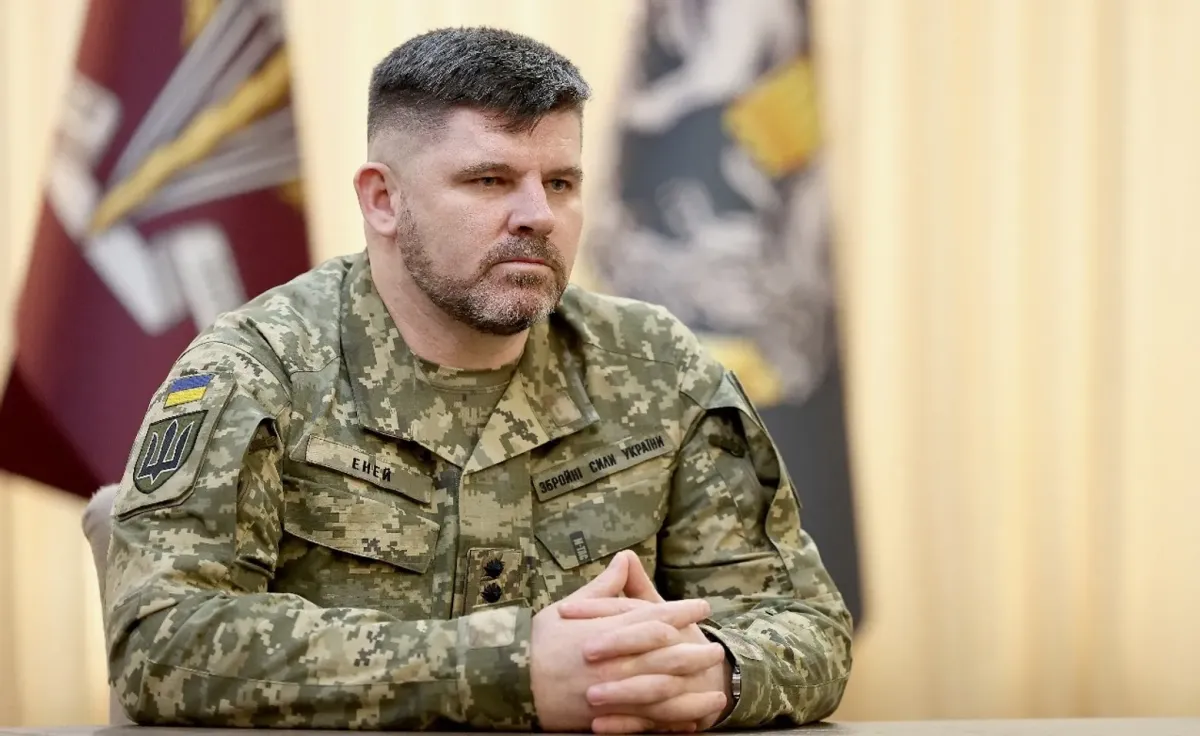
Andriy Gnativ spoke about this in an interview with LIGA.net.
The demobilisation of military personnel in Ukraine remains a complex issue and depends on how the armed forces are being replenished.
Chief of the General Staff of the Armed Forces of Ukraine Andriy Gnativ stated that it is not worth discussing demobilisation in detail at present, so as not to create false expectations in society.
According to him, the possibility of releasing military personnel from service is directly linked to the pace of conscription. If mobilisation figures remain insufficient, the state cannot allow the mass withdrawal of personnel from combat units.
“The higher the conscription figures, the more opportunities there will be to discharge those categories of military personnel who are already entitled to it,” said Gnativ.
The General Staff is considering options for the priority discharge of those servicemen who have been serving since the start of Russia’s full-scale invasion or who have many years of service.
At the same time, final decisions will depend on the situation regarding the army’s manning levels. Hnatov emphasised that the issue of demobilisation is being worked on, but requires a cautious approach so as not to weaken the country’s defence capabilities.
Earlier, the Office of the Military Ombudsman proposed setting a clear mobilisation period for men in Ukraine – from two to three years. Commander-in-Chief of the Armed Forces of Ukraine Oleksandr Syrskyi has also approved an order on the mandatory rotation of troops on the front line, limiting the duration of their continuous deployment on the front line to two months.
As reported by ThePublic, men over the age of 50 who are liable for military service may be mobilised in Ukraine if they are fit for service and do not have a deferment or exemption.
Follow us on Telegram