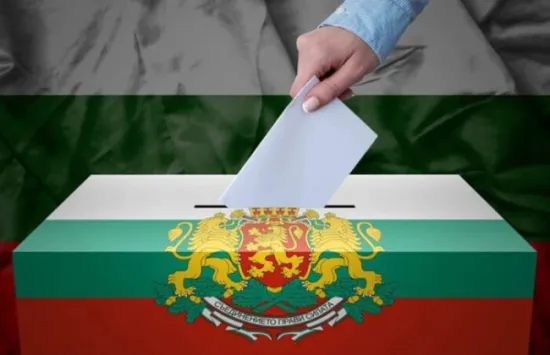
Parliamentary elections took place in the Czech Republic: the party of former Prime Minister Andrej Babish wins victory

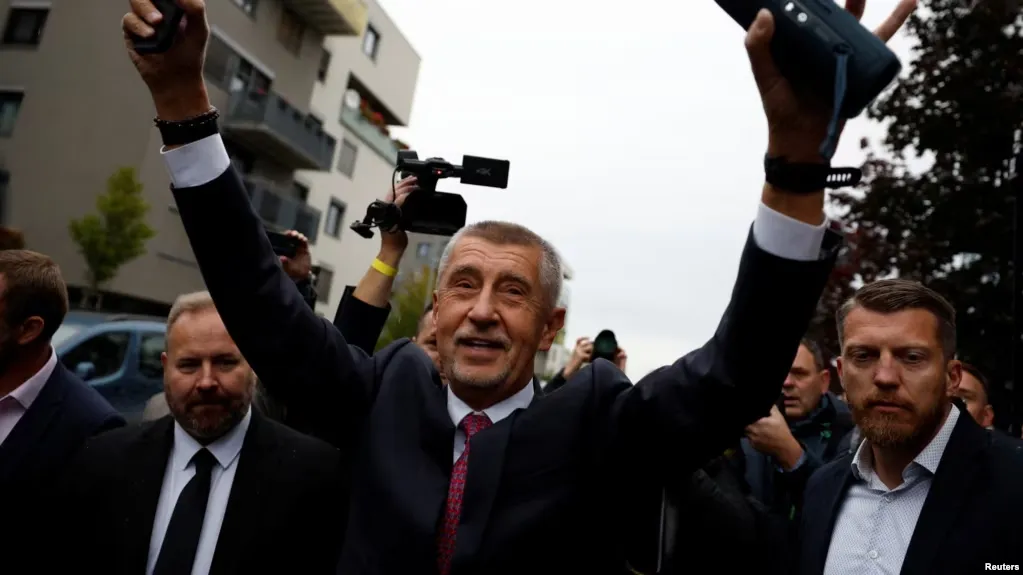
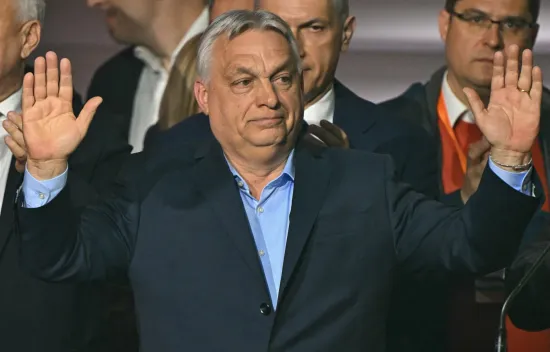
The two-day parliamentary elections in the Czech Republic have concluded. According to their results, the populist party ANO, led by the former Prime Minister of the country, Andrej Babish, is winning, this is reported by ThePublic.info citing the channel Česká televize24.
The polling stations closed at 15:00 Kyiv time. By 18:40, protocols from 94% of polling stations had already been processed.
In total, six parties surpassed the five-percent threshold required to gain seats in the lower house of parliament, which has 200 deputies.
Yes, the ANO party led by Babish received 35.5% of the votes, while the Spolu coalition, led by the current Prime Minister Petr Fiala, garnered 22.5%.The third place among parties was taken by the centrist STAN party, with approximately 11%.Following them are the Czech Pirate Party with about 8.7% of the votes and the far-right SPD (Svoboda a přímá demokracie) led by populist Tomio Okamura with just under 8%.
Voter turnout was 68%.
The leader of the ANO party, who headed the center-left government of the Czech Republic from 2017 to 2021, previously stated that his goal was to create a single-party government. In July, Babiš threatened that if his political force won the elections, the government would cancel the initiative for supplying ammunition to Ukraine. Fiala then stated that canceling this initiative would be a big mistake.
During his first premiership (2017–2021), Andrej Babiš attended a reception organized by the Ukrainian embassy in Prague on the occasion of Ukraine's Independence Day, reports Radio Svoboda. In his speeches and even during the visit, he supported Ukraine, which was already experiencing the war in Donbas, initiated in February 2014 with Russia's occupation of Ukrainian Crimea.
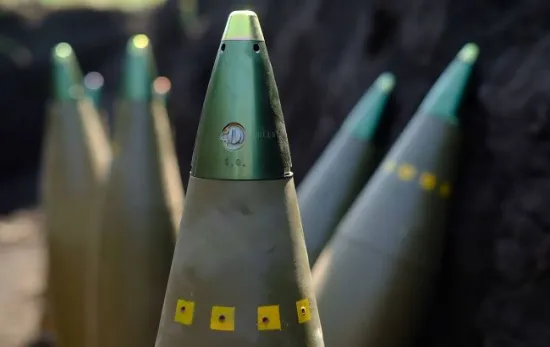
But now Babish, if he returns to the premiership, wants to suspend the "Czech shell initiative." Prague itself began collecting shells for Ukraine at its own expense and with the help of partners, scouring the world for them. The press reported that the Czechs secretly purchased shells from countries such as South Africa, South Korea, Turkey, on the Balkans, and even in the pro-Russian Central Asia.
Essentially, thanks to the initiative of President Petr Pavel, Czechia, as they say, "opened the jar," and then funds poured in for artillery shells for the Ukrainian Armed Forces. The international press even wrote that Czechia saved Ukraine by collecting over two million shells to date.
Previously, the ratio of shells between the Russian army and the Ukrainian Armed Forces reached even 10:1, but the "Czech initiative" reduced the proportions to 3:1 or even 2:1. And although drones are increasingly playing a role in modern warfare in Ukraine, artillery—especially in Donbas—continues to perform an important role.
Now Babish says that aid to Ukraine should come from the EU and NATO, and he generally does not oppose military assistance to Ukraine, but apparently, the "shell initiative" may come to an end. Last year, Babish also said he does not support Ukraine’s accession to the EU, citing Ukraine's strong agricultural sector as a reason that could "destroy" farmers in EU countries. However, experts say that if Babish becomes Prime Minister, he will not follow Viktor Orbán's path and will not block Ukraine's EU membership.
Indeed, in September, during a vote in the European Parliament on negotiations with Ukraine regarding EU membership, MEPs from Babiš's party abstained.
Another point: during the election campaign, Babiš repeatedly stated that the Czech government "must primarily take care of Czechs," not Ukrainian refugees. It is expected that he may significantly cut aid to refugees. Currently, there are about 330,000 refugees from Ukraine in Czechia (at the peak, there were half a million).
During the election debates, when Babish "raised" the issue of aid to refugees, his main opponent, the current Prime Minister Petr Fiala, said that Ukrainian refugees paid twice as much in taxes to the Czech budget as the budget allocated for refugee aid, reports the publication.