Ukraine’s attacks have reduced oil refining in Russia to its lowest level in over 21 years

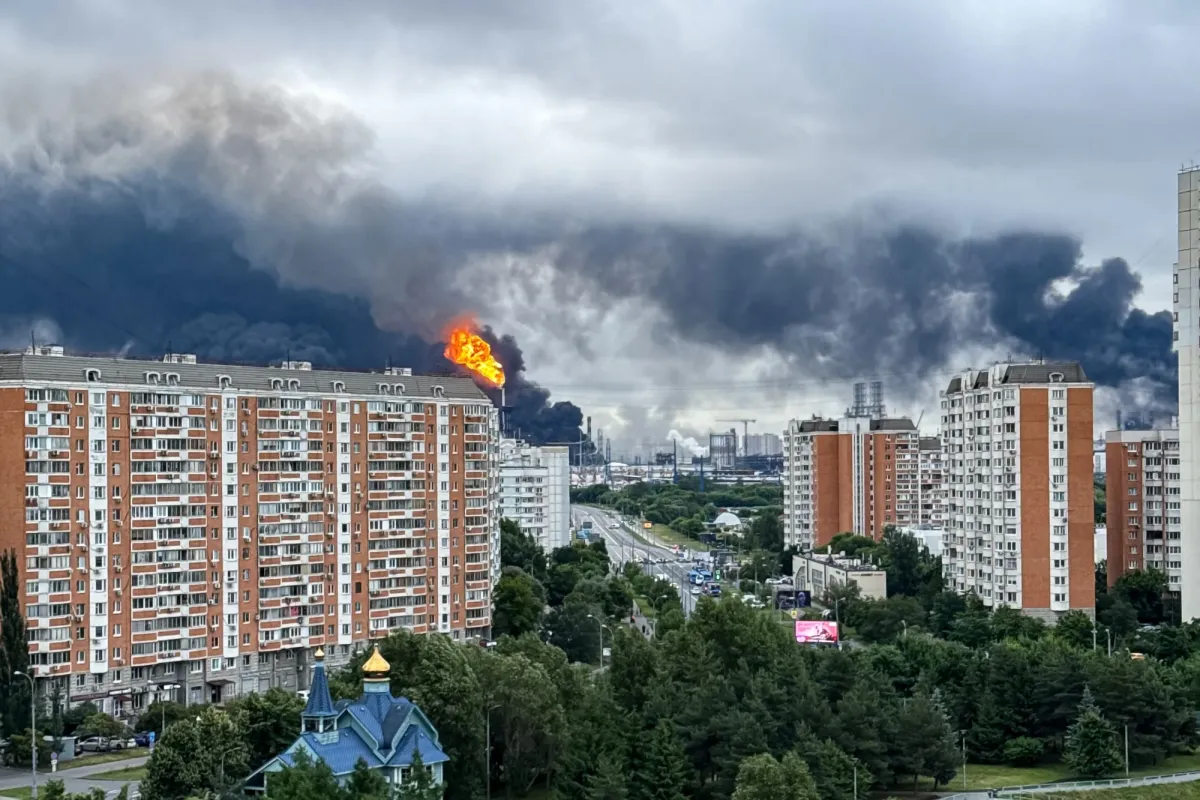
Oil refining volumes in Russia this month have fallen to their lowest level in over 21 years. According to EA Analytics, the average refining rate stood at 3.91 million barrels per day, the lowest figure since March 2005. This is more than 1.4 million barrels per day less than during the same period last year. This was reported by ThePublic, citing Bloomberg.
The decline in production has forced the Russian authorities to ban most diesel fuel exports until the end of July. Restrictions on exports of petrol and aviation fuel had also been introduced earlier. The reduction in diesel fuel supplies by one of the world’s key exporters has contributed to prices rising to multi-year highs against a backdrop of supply disruptions from the Middle East.
Following the classification of official statistics on refinery operations, EA Analytics is conducting an independent assessment of the state of the industry. The company determines refining volumes by analysing the entire oil supply chain, including satellite data on oil fields and storage tanks, as well as real-time cargo flows.
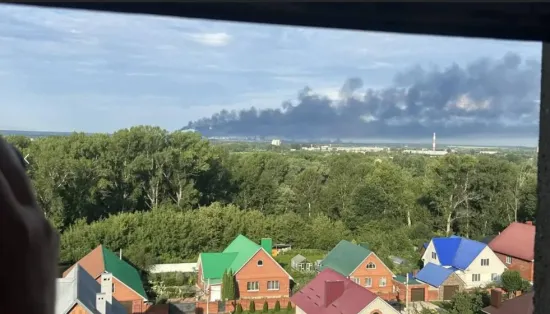
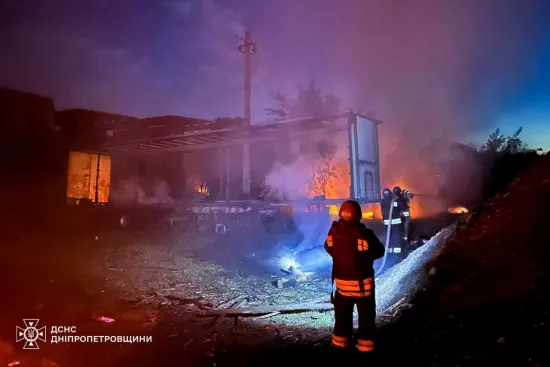
According to Bloomberg’s calculations, over the past 100 days, Ukrainian forces have carried out around 50 attacks on Russian fuel production facilities. As a result, at least 24 of the 34 major oil refineries have been hit, most of which are owned by the country’s largest oil companies.
The International Energy Agency noted that since the beginning of May, more than half of Russia’s oil refining capacity has been affected by a “powerful wave of Ukrainian attacks”. According to the agency’s estimates, in June Russian refineries were processing 3.8 million barrels of oil per day, which is 1.6 million barrels less than a year earlier.
According to Bloomberg, Ukraine has stepped up strikes on Russian energy infrastructure in an effort to force the Kremlin to the negotiating table. The publication notes that Ukrainian drones are capable of striking targets more than 1,500 miles from the border. This month, Russia’s largest oil refinery in the Omsk region was hit.
The attack on the facility, which primarily supplies the domestic market, has further exacerbated the fuel supply situation. Various regions across Russia are reporting shortages, long queues at petrol stations and a sharp rise in prices.
Russian Deputy Prime Minister Alexander Novak acknowledged that there were problems with fuel supplies.
“There are problems and shortages, which is why we are seeing queues or, at times, petrol stations operating erratically,” he told local media.
According to Bloomberg, to curb panic buying, some regions of Russia have temporarily introduced a system of rationing fuel sales based on vehicle registration numbers. In the Novosibirsk region, the authorities have also recommended that companies partially return to remote working to reduce fuel consumption.
The Bell, citing the Yandex Wordstat service, reported that last month the Russian search engine recorded over 17,000 searches for ‘how to make petrol’. This is the highest figure since the start of Russia’s full-scale invasion of Ukraine in 2022.