Ukraine has shown diplomats the consequences of attacks on the infrastructure of the Druzhba oil pipeline

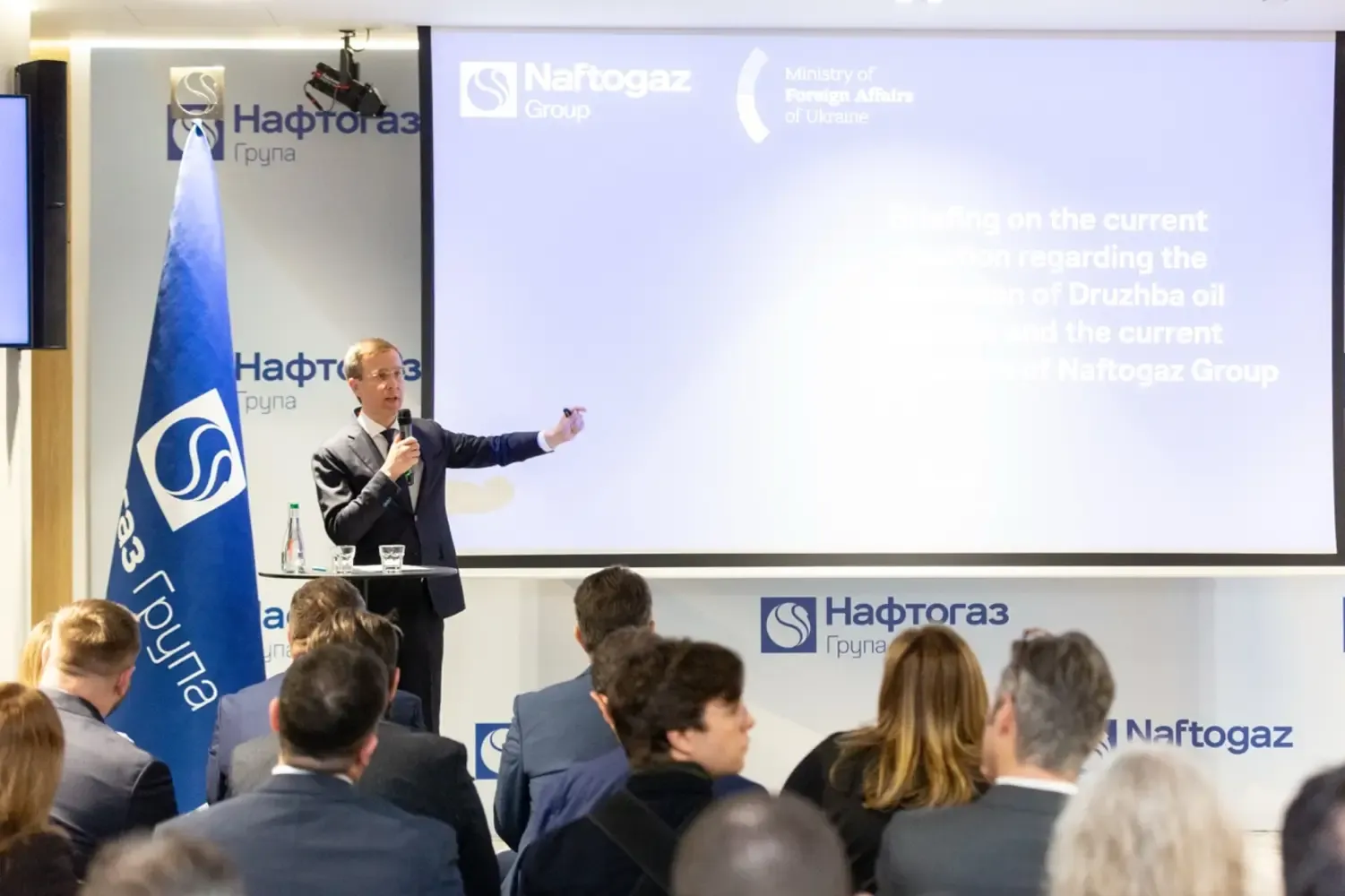
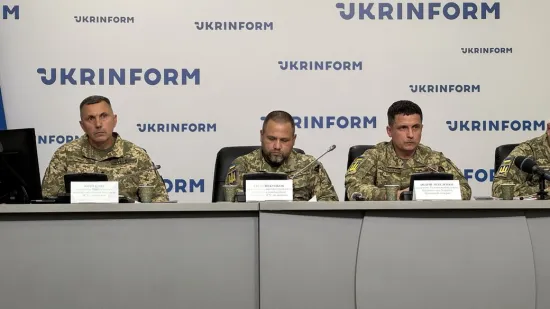
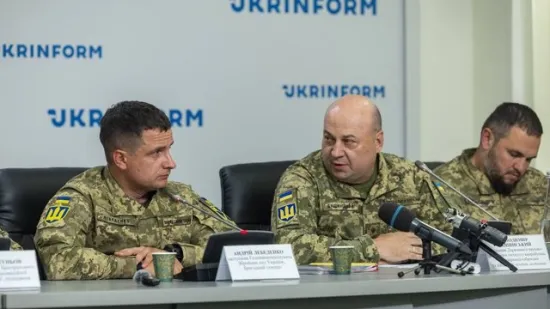
The Ministry of Foreign Affairs of Ukraine, together with Naftogaz of Ukraine, held a special briefing for representatives of foreign diplomatic missions on the consequences of the Russian attacks on the infrastructure of the Druzhba oil pipeline.
The meeting was attended by representatives of 31 countries, including G7 nations and Ukraine’s European partners. Among the participants were ambassadors and representatives of diplomatic missions accredited in Ukraine.
The diplomats were addressed by Yevhen Perebyinis, Deputy Minister of Foreign Affairs of Ukraine, and Serhiy Koretskyi, Chairman of the Board of NJSC Naftogaz of Ukraine.
“We want our international partners to have a full understanding of the consequences of Russian attacks on Ukraine’s energy infrastructure. Just today, we all witnessed yet another massive missile and drone barrage targeting many regions of Ukraine and the city of Kyiv. Despite this, Ukraine remains a reliable partner in ensuring Europe’s energy security. That is why we initiated today’s meeting with the aim of highlighting the real situation regarding the restoration of the Druzhba oil pipeline,” said Yevhen Perebyinis.
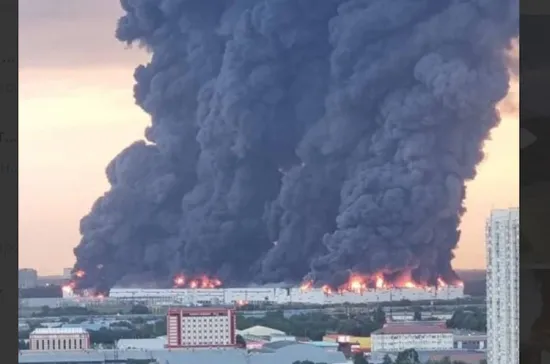
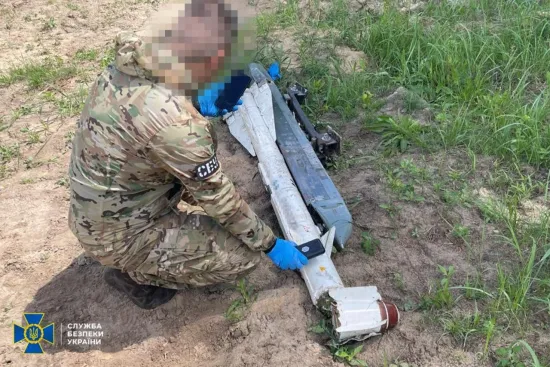
During the briefing, experts from the Naftogaz Group presented technical information on the state of the infrastructure following the attack on the Druzhba pipeline. Diplomats were shown materials directly from the site of the attack, including photos and videos illustrating the nature of the damage and its impact on the system’s operation.
“Since the start of the full-scale invasion, Russia has carried out more than 400 attacks on Naftogaz Group facilities. In 2026 alone, there have already been over 30. In particular, the attack on 27 January on the Druzhba oil pipeline infrastructure caused significant damage. We have already provided our partners with technical information regarding the consequences of this strike, and during this meeting we were able to present more detailed materials from the scene and explain the challenges our specialists face. Restoring such infrastructure is a complex technological process that requires time, specialised equipment and the continuous work of teams, even under threatening conditions,” noted Serhiy Koretskyi.
According to information released by the chairman of Naftogaz’s board, the meeting was attended by the Hungarian Ambassador to Ukraine, Antal Heiser. Earlier, Budapest had announced the dispatch of a delegation to Ukraine to investigate the circumstances surrounding the suspension of Russian oil transit via the Druzhba pipeline. Kyiv stated that this group has no official status.
Oil supplies via the Druzhba pipeline ceased following Russian shelling of a section of the pipeline on 27 January.
Slovakia and Hungary accuse Ukraine of deliberately blocking the resumption of oil transit. Politicians from these countries claim that the pipeline is fully operational. Hungarian Foreign Minister Péter Szijjártó also claimed that there had allegedly been no Russian strike.
Ukrainian President Volodymyr Zelenskyy stated that Ukraine is not blocking access to inspect the pipeline, but considers its own confirmation of the damage sufficient.
“We are an independent state; we have an oil pipeline, which Russia has destroyed on multiple occasions. Moreover, there were casualties following the second destruction of our oil pipeline. And when they want to inspect us, we have clearly stated that there is damage. I do not think that EU representatives do not trust us,” said Volodymyr Zelenskyy.
He added that he expects an official request from Hungary and the European Union countries to inspect the pipeline. According to him, Ukraine needs about a month and a half to restore its operation.
Earlier, Hungary, demanding the resumption of transit, blocked the European Union’s allocation of a €90 billion loan to Ukraine.