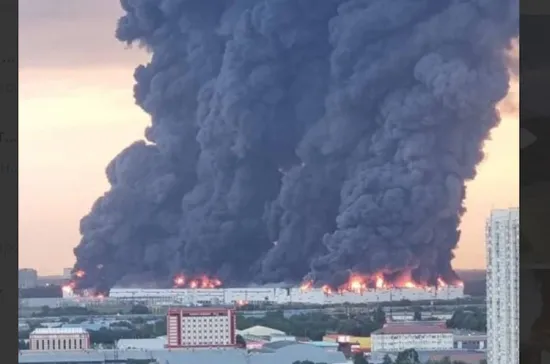
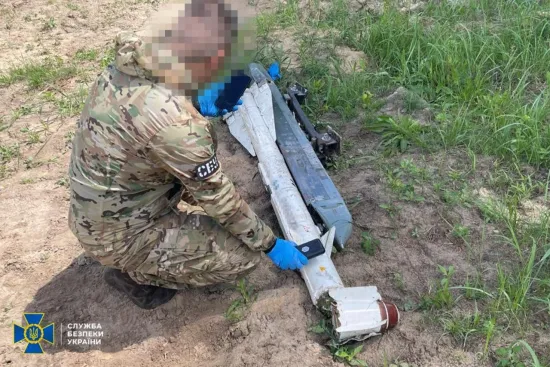
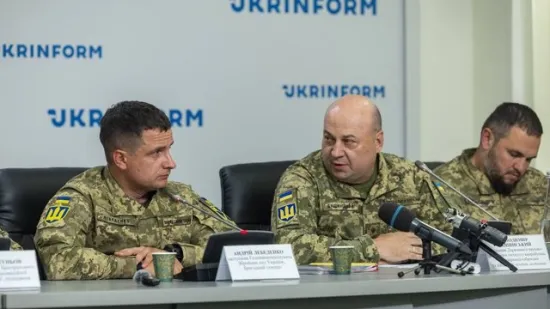
The war with Iran has become a test of Donald Trump's strategy in the Middle East.

Recent public statements by US President Donald Trump regarding the war with Iran indicate a strategic goal of preventing Tehran from developing nuclear weapons, maintaining military pressure, and at the same time avoiding turning a limited operation into a protracted ground war.
Trump has stated that he is not interested in negotiations under the current conditions. He suggested that the war could only end when Iran no longer has a functioning military or leadership capable of continuing hostilities.
He later said that the conflict was "practically over" and added that the decision to end the war would be made after consultations with Israeli Prime Minister Benjamin Netanyahu.
At the same time, Trump noted that the decision to send American troops to Iran to control enriched uranium stocks is not yet being considered. Such statements indicate an intention to resume deterrence and eliminate the nuclear threat without expanding military operations.
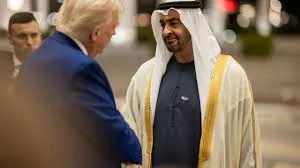
In the context of this policy, the position of the United States' partners in the region remains an important factor. One of the key tests for the American strategy could be the situation in the United Arab Emirates.
In Washington, the UAE is often referred to as a partner in the Persian Gulf, a major investor in the US, or an energy producer. However, as noted, the Emirates have made a strategic choice in recent years in favour of modernisation, technological development, and cooperation with the West.
In a region where militias, proxy conflicts and political instability remain influential, the UAE has created a model based on trade, infrastructure, innovation and state institutions.
This course became evident in 2020 when the country signed the Abraham Accords with Israel. The agreement provided for the full normalisation of relations between the states and the formation of regional cooperation based on diplomacy, trade and security.
The next step was the UAE's Comprehensive Economic Partnership Agreement with Israel, which opened access to markets for more than 96 per cent of tariff lines.
The authors of the article note that the Abraham Accords were one of the key strategic achievements of Donald Trump's presidency, as they changed the logic of policy in the Middle East.
Since the start of the war with Iran on 28 February, Iran has been striking Persian Gulf states that host US military bases, including the United Arab Emirates.
The UAE's permanent representative to the United Nations said that the country has suffered more than 1,400 attacks in recent days. According to him, four civilians were killed and another 114 were injured.
He also noted that civilian infrastructure, including power plants and desalination plants, was under threat. Despite this, the UAE continues to call for de-escalation and states that its territory will not be used for attacks on Iran.
Against the backdrop of these events, Washington is drawing attention to the need to support partners in the region. Countries that have normalised relations with Israel and deepened cooperation with the US may come under pressure from Iran.
It is also noted that there is significant economic cooperation between the US and the UAE. In May, Donald Trump's administration announced the conclusion of new commercial agreements worth more than $200 billion.
In addition, the implementation of the previously agreed $1.4 trillion investment package by the United Arab Emirates in the United States over ten years was accelerated.
The White House also stated that the UAE had agreed to align key national security regulations with US standards, including measures to protect American-origin technologies.
The article emphasises that further developments surrounding Iran will be assessed not only in terms of military results, but also in terms of the extent to which the US will be able to guarantee the security of its partners in the region.