

Economy
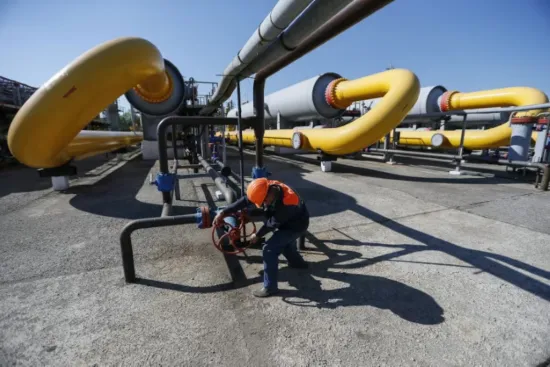
Ahead of his visit, Putin cut the price of gas for China to its lowest level in six years
The Russian authorities have revised their forecasts for pipeline gas exports and the cost of supplies to China. The updated estimates are contained in a document seen by Reuters.

Getmantsev has announced a committee meeting on the BEB report for 25 May
Danylo Getmantsev, Chair of the Verkhovna Rada’s Finance Committee, has announced that an open committee meeting will be held on 25 May, at which the committee plans to hear a report from the Economic Security Bureau. The meeting will be streamed online.
State budget expenditure exceeded 1.35 trillion hryvnia: where did the money go?
In January–April 2026, cash expenditure from the General Fund of the State Budget of Ukraine amounted to 1.35 trillion UAH. This is 163.6 billion UAH, or 13.8%, more than in the same period last year. In April, expenditure from the general fund of the state budget reached UAH 433.1 billion. The largest share of funds was allocated to security and defence.
Petrol prices have risen again in Ukraine: how petrol stations adjusted their fuel prices on 20 May
Petrol prices at filling stations in Ukraine have risen again. Over the past 24 hours, petrol prices at filling stations have increased by between 50 kopecks and 1 hryvnia.
Global business has already lost $25 billion due to the conflict surrounding Iran – which companies have been hit hardest
Global companies have already lost at least $25 billion as a result of the conflict between the US, Israel and Iran, and this figure continues to rise.
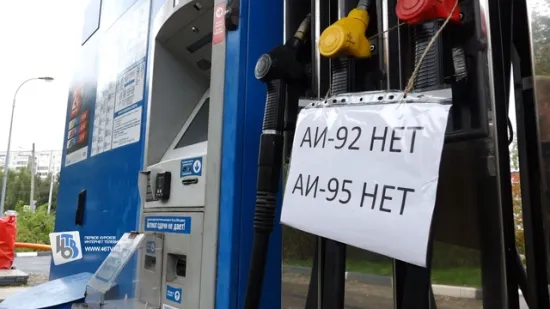
The shortage of AI-95 petrol in Russia is worsening due to problems at refineries and rising demand
The shortage of AI-95 petrol in Russia is becoming increasingly acute. This is due to emergency repairs at oil refineries, a reduction in oil processing volumes and a seasonal rise in demand.
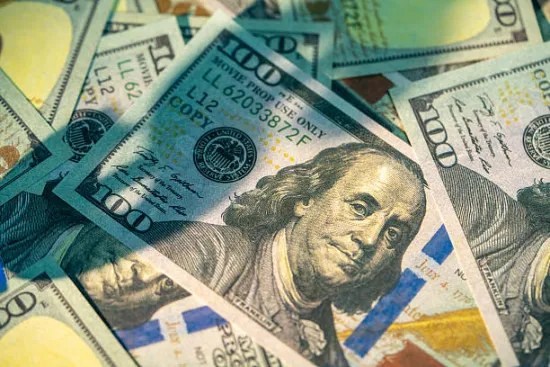
Americans have overpaid by more than $41 billion for fuel due to the war in Iran
Over the course of two and a half months of war in Iran, US residents have spent $41.5 billion more on fuel than they would have done had there been no conflict. The additional cost amounted to an average of $316 per household.

Privatisation of state assets is set to ramp up in Ukraine this summer: what is planned for sale
The government expects privatisation processes to pick up pace this summer, which should generate 13 billion hryvnias by the end of the year.
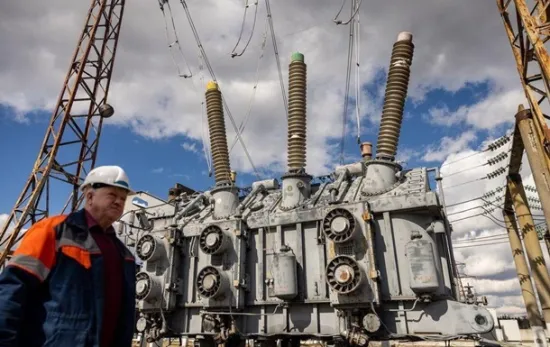
What will happen to the energy sector after the war: the Minister for Economic Development has provided an explanation
The challenges of supplying Ukraine’s economy, which is set to grow rapidly once the war ends, may not be too acute, as the recovery of the energy sector is set to accelerate.
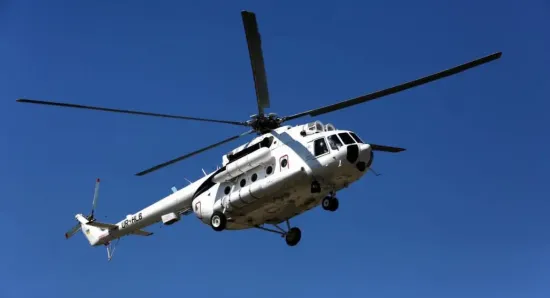
The aviation industry has warned of the risk of losing maintenance infrastructure due to pressure from the ESBU
Ukrainian airlines and market experts are warning of risks to the aircraft maintenance infrastructure due to harassment by the Economic Security Bureau of Ukraine
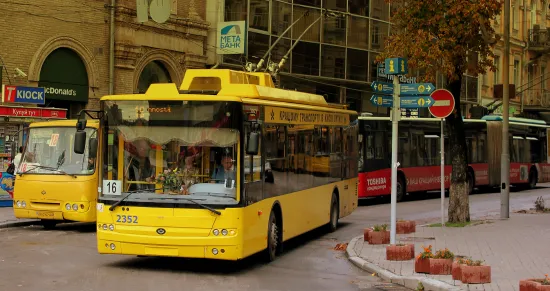
There are plans to raise the fare in Kyiv to 30 UAH
There are plans in Kyiv to increase public transport fares from 8 to 30 hryvnias. The new fares are scheduled to come into effect on 15 July 2026.
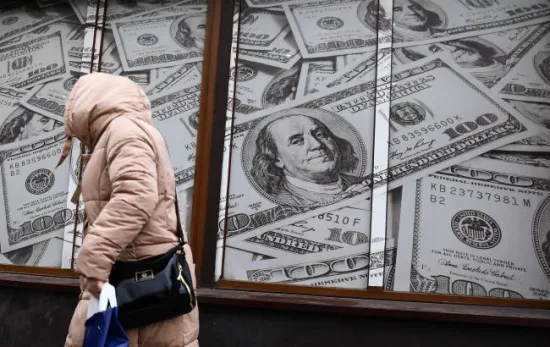
Forecasts for GDP and inflation in Ukraine are set to worsen due to the impact on the energy sector
The government plans to review its macroeconomic and social development indicators in mid-2026. Oleksiy Sobolev, Minister for the Economy, the Environment and Agriculture, stated that the GDP growth forecast would be revised downwards, partly due to the negative impact of the winter energy crises.

