

Economy
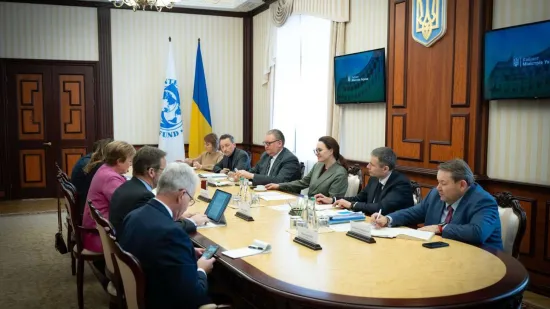
The government and the IMF are discussing a possible delay in the introduction of VAT for sole traders
Ukraine and the International Monetary Fund are finalising discussions on the parameters for introducing VAT for sole traders. It is likely that a decision may be postponed until 2027.
Ukrzaliznytsia to receive €54 million from the EBRD: where will the money go?
Ukrzaliznytsia is set to receive €54 million in grant funding as part of a joint project with the European Union and the European Bank for Reconstruction and Development.
The UAE is withdrawing from OPEC and OPEC+ amid the energy crisis
The United Arab Emirates has announced its withdrawal from OPEC and OPEC+, a move that could affect the operations of the alliance of major oil exporters. The decision was taken following a review of the country’s energy policy.
New rules for foreign currency payments: what the NBU has changed
The National Bank has clarified the procedure for executing payment instructions in foreign currency and bank metals for payment service providers.
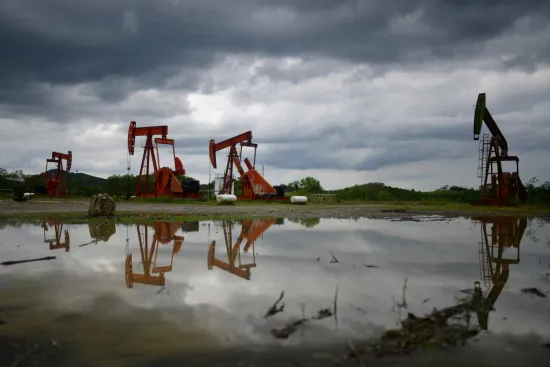
Oil prices have risen to a two-week high amid delays in negotiations with Iran
Global oil prices rose by around 3% to reach their highest level in two weeks. This came against the backdrop of stalled negotiations between the US and Iran and restricted supplies through the Strait of Hormuz.
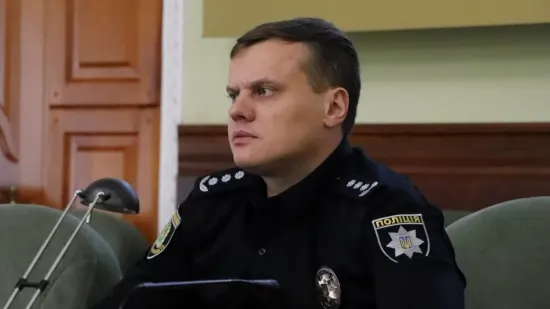
Andriy Rubel has resigned from his post as Head of the Special Operations Department of the National Police of Ukraine
Andriy Rubel has resigned from his post as head of the Strategic Investigations Department of the National Police of Ukraine.
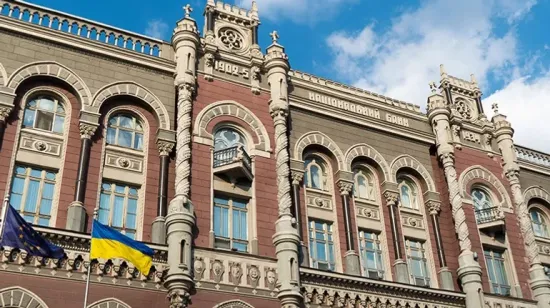
The NBU will transfer a record 146.1 billion hryvnias in profits to the state budget
The National Bank of Ukraine will transfer a record 146.1 billion hryvnias of its undistributed profit for 2025 to the state budget. This amount is almost double that of the previous year and will be used to fund the needs of the army and defence.
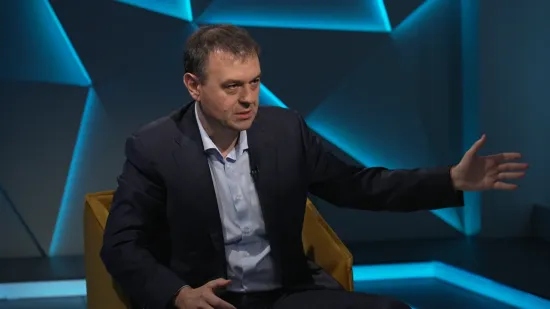
“It hasn’t been done, so get out,” said the MP, adding that senior officials at the ESBU and the SBI should be held personally accountable for their failure
Danylo Getmantsev, a Member of the Ukrainian Parliament, has stated that the heads of state bodies should bear personal responsibility for the effectiveness of the bodies they lead. And, in the event of poor performance, they should resign from their posts.
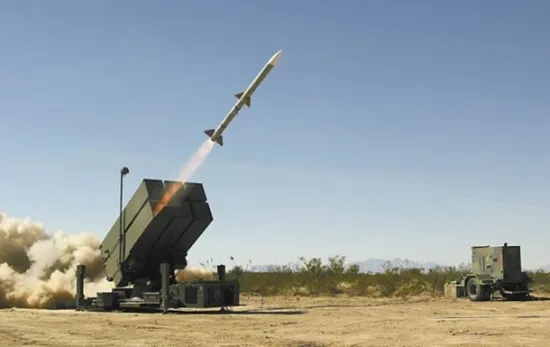
Global military spending is rising sharply thanks to Europe, but is falling in the US
Global military spending rose by 2.9% in 2025 to reach a record $2.89 trillion, despite a significant reduction in US spending.
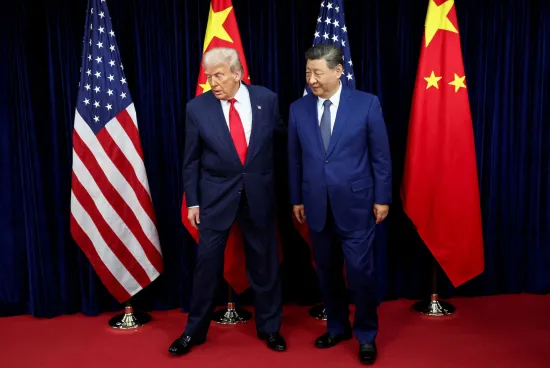
The US has imposed new sanctions on Chinese companies for trading with Iran
Washington has stepped up sanctions pressure on networks linked to Iran’s oil trade. Dozens of vessels, companies and a Chinese oil refinery have been targeted by the restrictions.
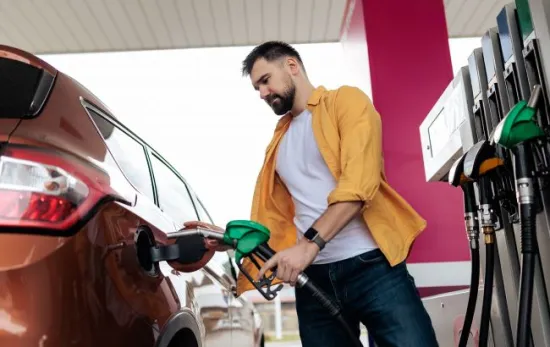
How much do petrol, diesel and LPG cost, and where are the best deals: a round-up of petrol station prices on 27 April
Most petrol stations in Ukraine have kept their prices unchanged following the weekend. At the same time, isolated price rises have been recorded within the state-run network.
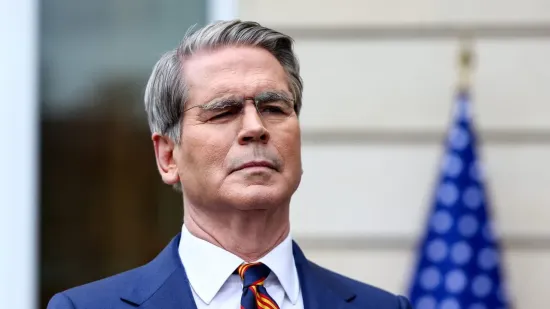
The US has frozen $344 million in cryptocurrency linked to Iran
The US administration has announced that it has frozen a significant amount of cryptocurrency which, according to its information, is linked to Iran. The decision was taken against a backdrop of mounting economic pressure on Tehran.

