

Economy
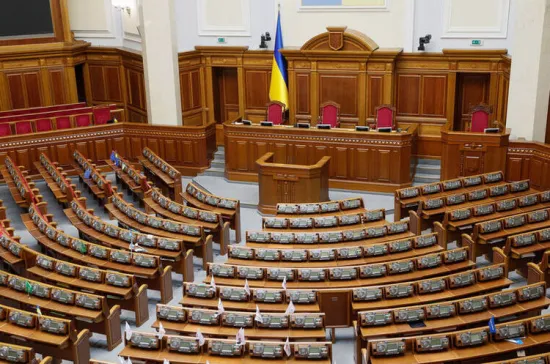
The Rada has expanded the scope of international arbitration: what disputes will businesses be able to resolve
The Verkhovna Rada has adopted amendments to the Law “On International Commercial Arbitration”. The new rules expand the list of disputes that may be referred to international arbitration, including investment disputes and corporate disputes involving enterprises with foreign capital.
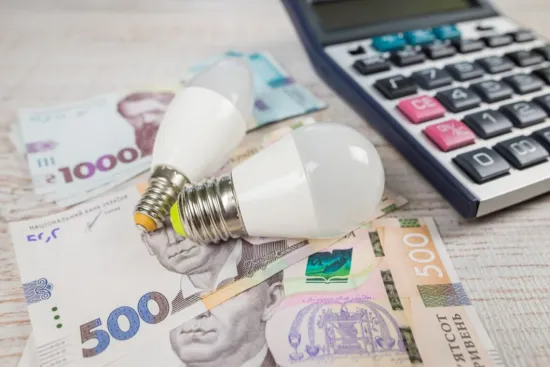
Current electricity tariffs for domestic customers will remain unchanged until October
The government has extended the special obligations scheme (PSO) in the electricity market until the end of October 2026. As a result, Ukrainians will continue to pay for electricity at the current rate of 4.32 UAH per kWh.
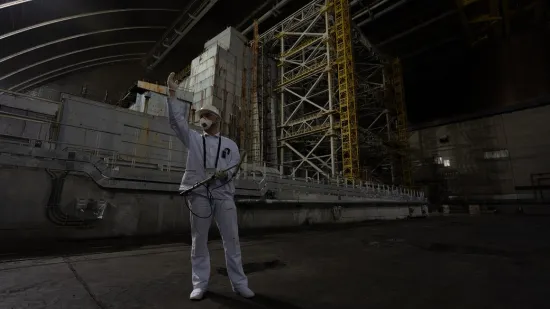
The US will provide $100 million for repairs to the Chernobyl nuclear power plant’s containment structure following a Russian drone strike
The US will allocate up to $100 million for the repair of the new safe confinement at the Chernobyl Nuclear Power Plant, which was damaged by a Russian drone. According to Ukraine’s First Deputy Prime Minister and Minister of Energy, Denys Shmyhal, the total cost of restoring the structure is currently estimated at around €500 million.

The government has allocated a further 2 billion hryvnias to eVidnovlennia for housing repairs
The government has allocated an additional 2 billion hryvnias to the e-Recovery programme. With these funds, a further 20,000 families will be able to receive non-repayable grants to repair homes damaged as a result of Russian aggression.

Goods from AliExpress and Temu may become more expensive: the Cabinet of Ministers wants to introduce a 20% VAT on international parcels
The Cabinet of Ministers is proposing to introduce a 20% VAT on most international parcels, including purchases from AliExpress and Temu, with an exemption remaining only for non-commercial gifts worth up to €45. The decision is one of the IMF’s conditions for continuing to provide funding to Ukraine, but due to its unpopularity, it may be postponed until at least 2027.

A Kharkiv businessman has repaid 5 million hryvnias in unpaid taxes to the state budget
Detectives from the State Bureau of Investigation in the Poltava region have secured the recovery of over 5 million hryvnias for the state budget in a tax evasion case. According to the investigation, a businessman from the Kharkiv region, who is involved in the wholesale trade of clothing and footwear, failed to record some of his transactions in his accounts whilst fulfilling government contracts.
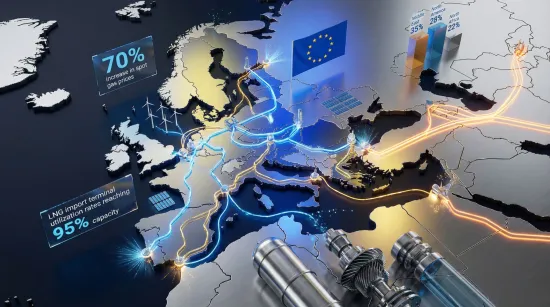
European countries have allocated over €10 billion to tackle the 2026 energy crisis
European governments have allocated nearly €10.46 billion to mitigate the impact of the energy crisis following the escalation of tensions in the Middle East. A significant portion of the funds is earmarked for general measures without a specific purpose.
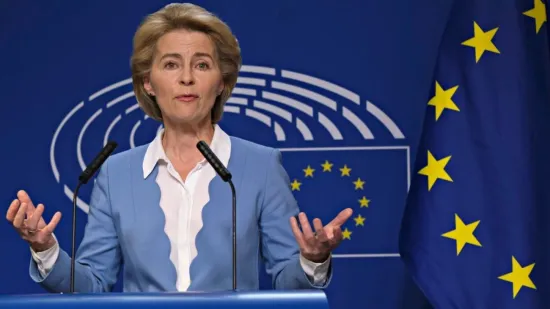
Ukraine is set to receive €6 billion from the EU for drones in the second quarter of 2026
The European Union will provide Ukraine with the first tranche of defence funding under the €90 billion loan programme as early as the second quarter of 2026. The funds will be used to purchase Ukrainian drones.
The World Bank expects energy prices to rise by 24% in 2026
Oil and gas prices could reach their highest levels since 2022 this year, against a backdrop of ongoing geopolitical instability and logistical disruptions
Debts during the war: Parliament seeks to protect creditors from inflation
The Verkhovna Rada is proposing to clarify the rules on recovering inflation-related losses on overdue monetary debts during martial law. For the average citizen, this means one simple thing: if a debtor delays repayment, they must compensate not only for the debt itself, but also for the loss in value of that money due to inflation.
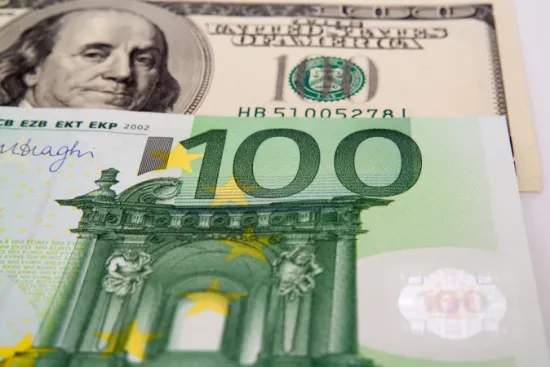
Exchange rates in Ukraine: the euro is falling, whilst the hryvnia has stabilised
Towards the end of April, Ukraine’s foreign exchange market stabilised, whilst the euro exchange rate fell against the backdrop of global geopolitical tensions. At the same time, demand for foreign currency remains high, with banks reporting significant inflows of cash and outflows of deposits.

Ukraine needs to approve a tax on parcels as part of the IMF programme
Ukraine needs to pass a law introducing VAT on low-value parcels from abroad in order to remain on track with its $8.1 billion cooperation programme with the International Monetary Fund. A review of the programme is scheduled for June, and the issue of parcel taxation has become one of the key points in the negotiations.

