

Economy
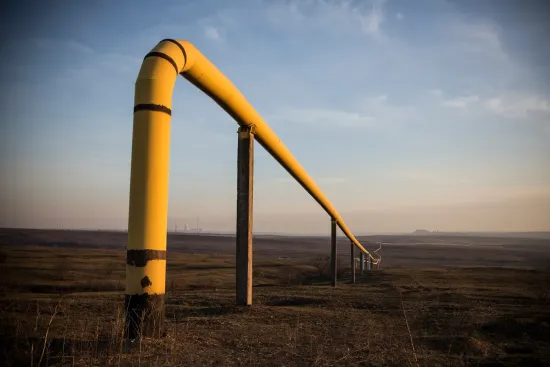
When you don’t have to pay for gas delivery: what conditions have experts outlined
In Ukraine, consumers may lawfully avoid paying for gas distribution services only in clearly defined circumstances. It is not actual consumption that matters, but the status of the connection to the gas network: if the property remains connected, charges continue to accrue even if no gas is used.

The US has authorised the sale of 140 million barrels of Iranian oil stranded at sea
The US Department of the Treasury has issued a short-term licence for the sale of nearly 140 million barrels of Iranian oil currently held on tankers at sea. Officials in Washington have stated that this decision is intended to temporarily ease the pressure on global oil supplies amid the escalating situation surrounding Iran.

Payments to children of internally displaced persons in 2026: who is eligible for 3,000 UAH and the deadline for submitting an application
In 2026, Ukraine will once again be paying financial assistance for children from internally displaced persons’ families. The report states that support has been reinstated for families who previously lost it, as well as for families who have held IDP status since 2014. The payment is set at 3,000 UAH per child per month.
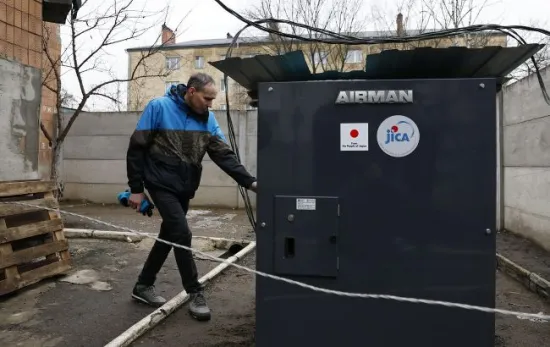
A pilot scheme for free backup power supply to homes is to be launched in Kyiv
There are plans to launch a pilot scheme in Kyiv under which high-rise buildings will be fitted with backup power supplies free of charge. The government will fund the purchase and installation of batteries, inverters and generators, whilst participation in the scheme will be voluntary and subject to the decision of the building’s co-owners.

The impact of Russia’s war against Ukraine on the economy is a mere trifle compared to the impending global energy crisis
The energy crisis is escalating against the backdrop of the war in the Middle East. Experts are warning of the risk of oil shortages and a sharp rise in gas prices.
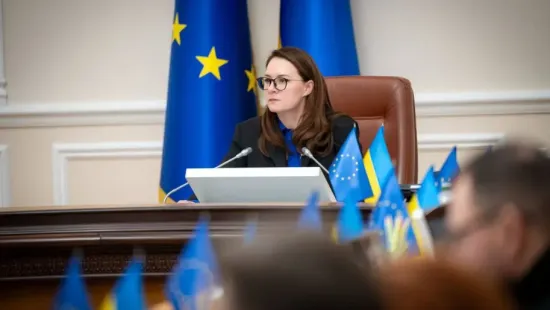
Kyiv’s energy resilience plan has been sent back for further revision until April
The government has not approved Kyiv’s energy sustainability plan and has sent it back to its drafters for further revision. The Cabinet of Ministers stated that the development of distributed heat supply should be the document’s key priority, and has instructed that the plan be finalised by early April 2026.
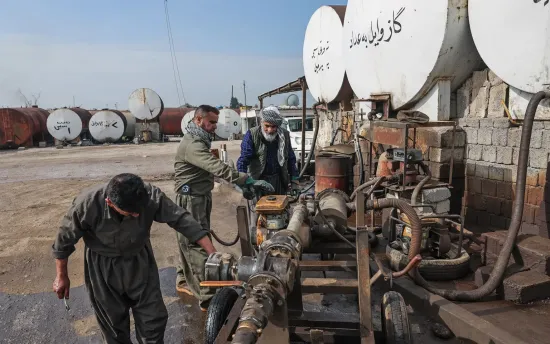
Russia, China and the US — the global winners and losers in the war with Iran
The economic consequences of the war in the Middle East are already being felt in various countries. The impact of these events is uneven and affects individual economies in different ways.
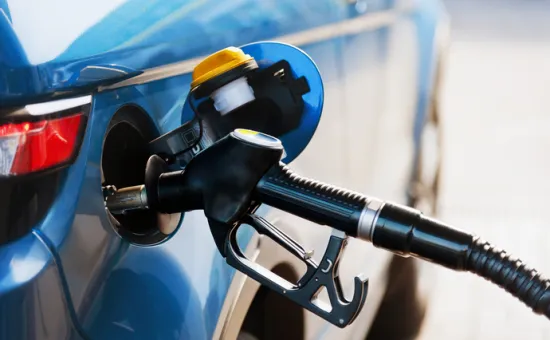
Some petrol station chains have changed their prices for diesel and petrol: how much does fuel cost on 20 March?
Socar, WOG and UPG petrol stations have increased the price of diesel by 3 UAH per litre and petrol by 1–2 UAH.
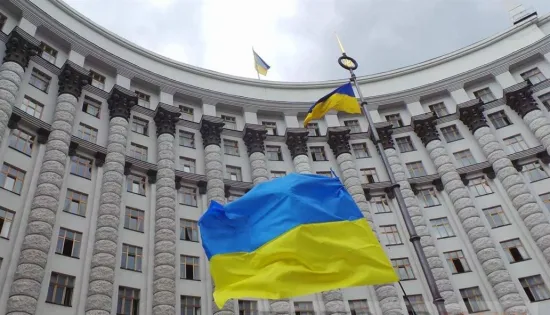
The Cabinet of Ministers has allocated 12.8 billion hryvnias to protect critical infrastructure
On 20 March, the Cabinet of Ministers of Ukraine approved a decision to allocate over 12.8 billion hryvnias from the state budget’s reserve fund to protect critical infrastructure and implement regional and municipal resilience plans. The funds will be directed towards facilities in the fuel and energy sector, the transport system—in particular the railway infrastructure—as well as life-support systems.
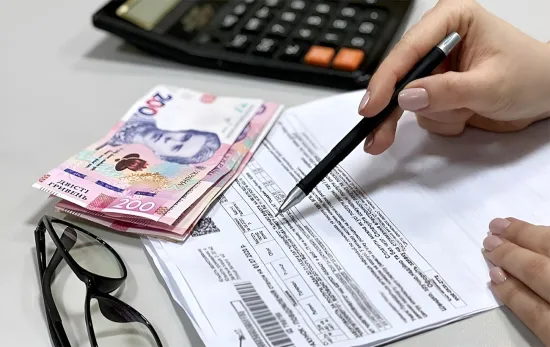
Ukrainians have had their January utility bills waived due to Russian attacks — Svyrydenko
The government has ordered the refund of utility bills in those cities where services were not provided, in particular due to Russian attacks.
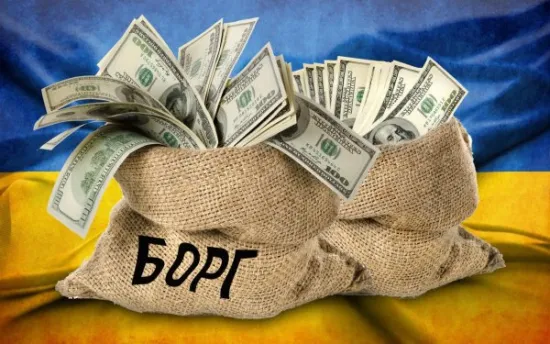
Ukraine has joined the group of countries with the highest debt-to-GDP ratio, according to a study
The Experts Club think tank has published a video analysis of the trends in global public debt as a percentage of GDP between 1950 and 2025. According to the international methodology used in the study, in 2025 Ukraine was among the 20 countries with the highest debt burden, with its ratio exceeding 100% of GDP.
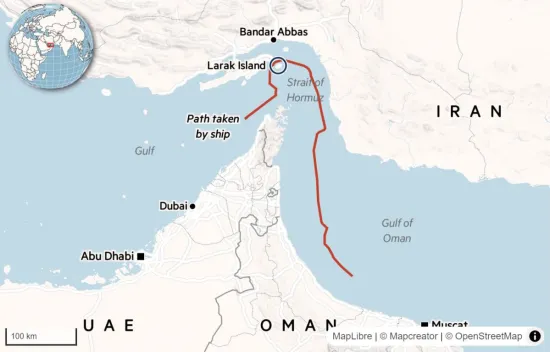
Iran is allowing certain vessels to pass through the Strait of Hormuz
Iran has begun allowing a limited number of vessels to pass through its territorial waters in the Strait of Hormuz. According to analysts, this is intended to demonstrate Tehran’s control over this key maritime route.

