Russia, China and the US — the global winners and losers in the war with Iran

Following Iran’s attacks, which are aimed at causing economic damage and destabilisation, the impact of the conflict extends beyond the region. Some countries are suffering losses, whilst others are benefiting. This is reported by The Public, citing the BBC.
Norway, Canada and Russia are the winners
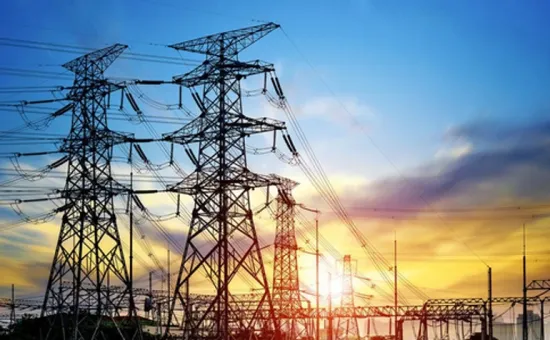
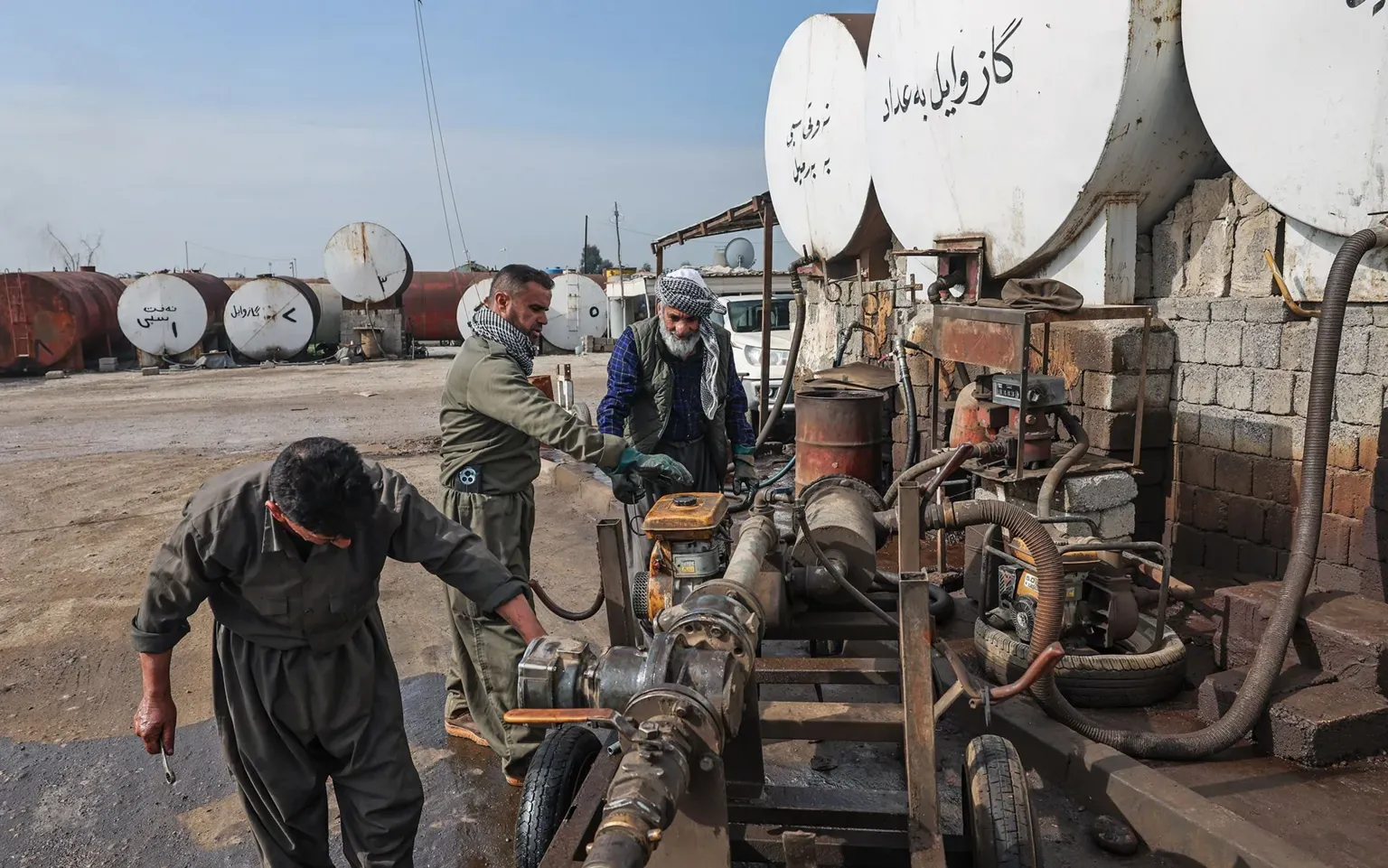
Rising oil and gas prices traditionally bring profits to exporting countries. Despite the development of renewable energy, the world remains dependent on fossil fuels.
However, the current situation differs from typical oil crises. Attacks on energy infrastructure and restrictions in the Strait of Hormuz have affected Gulf countries, notably Qatar and Saudi Arabia.
In these circumstances, alternative suppliers, notably Norway and Canada, stand to benefit. Following the start of Russia’s full-scale invasion of Ukraine in 2022, Norway has already increased production and replaced Russian gas.
Canada positions itself as a stable energy supplier, though questions remain regarding its ability to rapidly scale up production.
Russia could be the biggest beneficiary. Against the backdrop of easing restrictions on the global market, its oil supplies to India have risen by 50%. It is estimated that by the end of March, Moscow could receive an additional $5 billion and achieve its highest revenue from fuel sales since 2022.
Rising demand for coal is also creating opportunities for exporters, particularly Indonesia.
The US, the UK and Europe are losing out
Despite the potential profits for American oil companies, the United States is not a clear beneficiary.
Some companies are suffering losses due to events in the Middle East. In particular, ExxonMobil has assets in Qatar, where production has been halted and facilities have been damaged by rocket attacks.
Furthermore, US shale oil producers cannot rapidly increase output due to capacity cuts in previous years.
High energy consumption is a key factor. On a per capita basis, the US remains one of the largest consumers of oil and gas, making the economy sensitive to price fluctuations. According to Oxford Economics, should oil prices rise to $140, the economy could contract.
Europe and the UK also remain vulnerable due to their dependence on imported gas. Current market trends could add around 0.5% to inflation, affecting prices, particularly for fertilisers and logistics.
Despite improvements in energy efficiency, a significant proportion of energy consumption in the UK is accounted for by oil and gas. This affects household expenditure, transport and industry.
An additional risk factor is the reaction of financial markets, which could increase costs for highly indebted countries.
Asia: between risks and preparedness
Asian countries, which traditionally receive a significant proportion of their oil via the Strait of Hormuz, are feeling the greatest impact from supply disruptions. The share of supplies from the Middle East accounts for 59% of the region’s total, and reaches 70% for South Korea.
In South Korea, the market slump is accompanied by concerns over the impact on semiconductor production. The country accounts for over half of global memory production.
A number of countries, including Sri Lanka, Bangladesh and the Philippines, are already introducing fuel rationing, a reduced working week and school closures.
Meanwhile, China has significant oil reserves and is increasing purchases from Iran. India is also boosting imports, particularly from Russia.
How the situation develops will depend on the course of the conflict. A prolonged war increases risks not only for individual countries but also for the global economy as a whole.